
Hanami: Japanese flower-viewing tradition and its cultural significance
Hanami is the Japanese custom of viewing flowering trees—especially cherry blossoms (sakura). This article explains its origins, rituals, timing, cultural meaning, and modern variations.
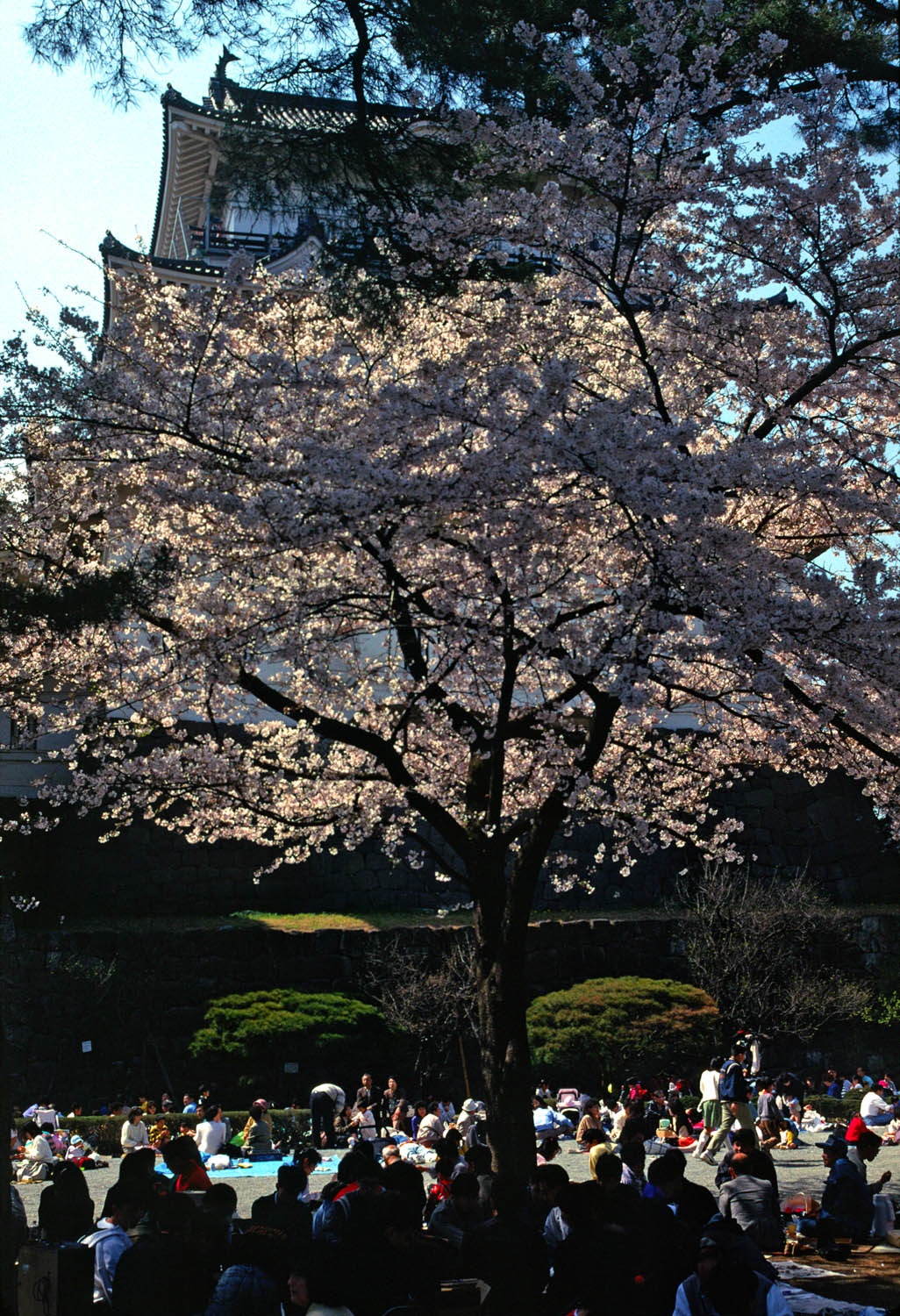
Hanami (Japanese 花見) literally means "flower viewing." It refers to the seasonal practice of gathering under blossoming trees to appreciate flowers, most famously the cherry blossoms known as sakura. Although the custom centers on brief spring blooms, hanami is a broad social and aesthetic activity that blends nature appreciation, food and drink, and communal ritual.
Image gallery
10 Images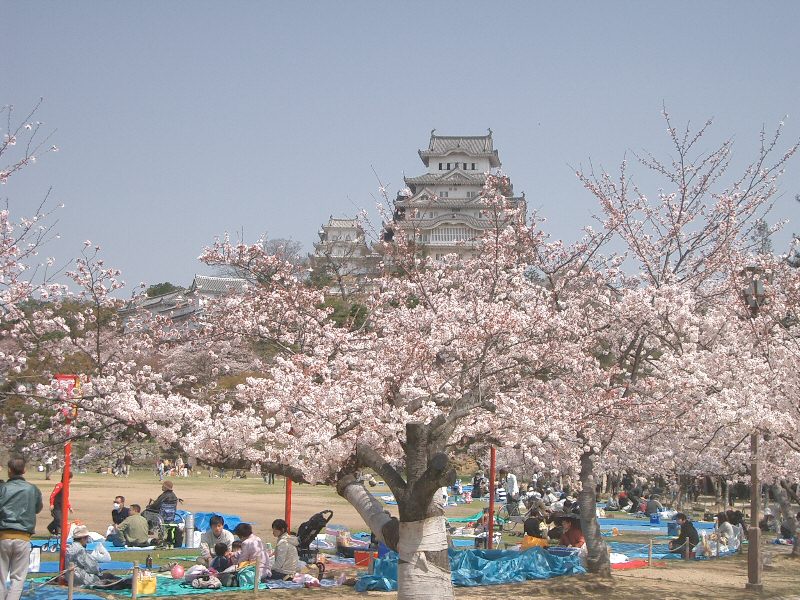




Origins and historical development
The practice has roots in Japan's early court culture and agricultural rites. Aristocrats in the Nara and Heian periods began composing poetry and holding banquets beneath flowering trees; over centuries the custom moved beyond the court and became widely popular. Early hanami sometimes focused on plum blossoms (ume) before cherry varieties came to predominate. Literary references and seasonal festivals sustained hanami as an annual observance throughout medieval and modern Japan.
Typical features and customs
Modern hanami often combines informal picnicking with elements that have long precedents:
- Gathering beneath trees in parks, temple grounds, or riversides to admire the blossoms and share food and drink.
- Eating seasonal dishes and bringing portable meals, sometimes accompanied by sake or soft drinks.
- Reserving preferred spots early in the day by laying down a sheet or mat, a practical custom that can be controversial when overused in crowded parks.
- Photography, poetry, and small performances — activities that highlight the aesthetic qualities of the blooms.
Timing, varieties, and ephemeral nature
Hanami takes place in spring, timed to coincide with the short window when blossoms are at their peak. The precise timing shifts by region and season; warmer areas bloom earlier and northern regions later. Because most cherry cultivars flower and fall within a few days to two weeks, the transience of the blossoms is a defining part of the experience and of the seasonal mood that hanami evokes. Fans consult forecasts and news bulletins about the blossom front as they plan outings.
Cultural meanings and notable facts
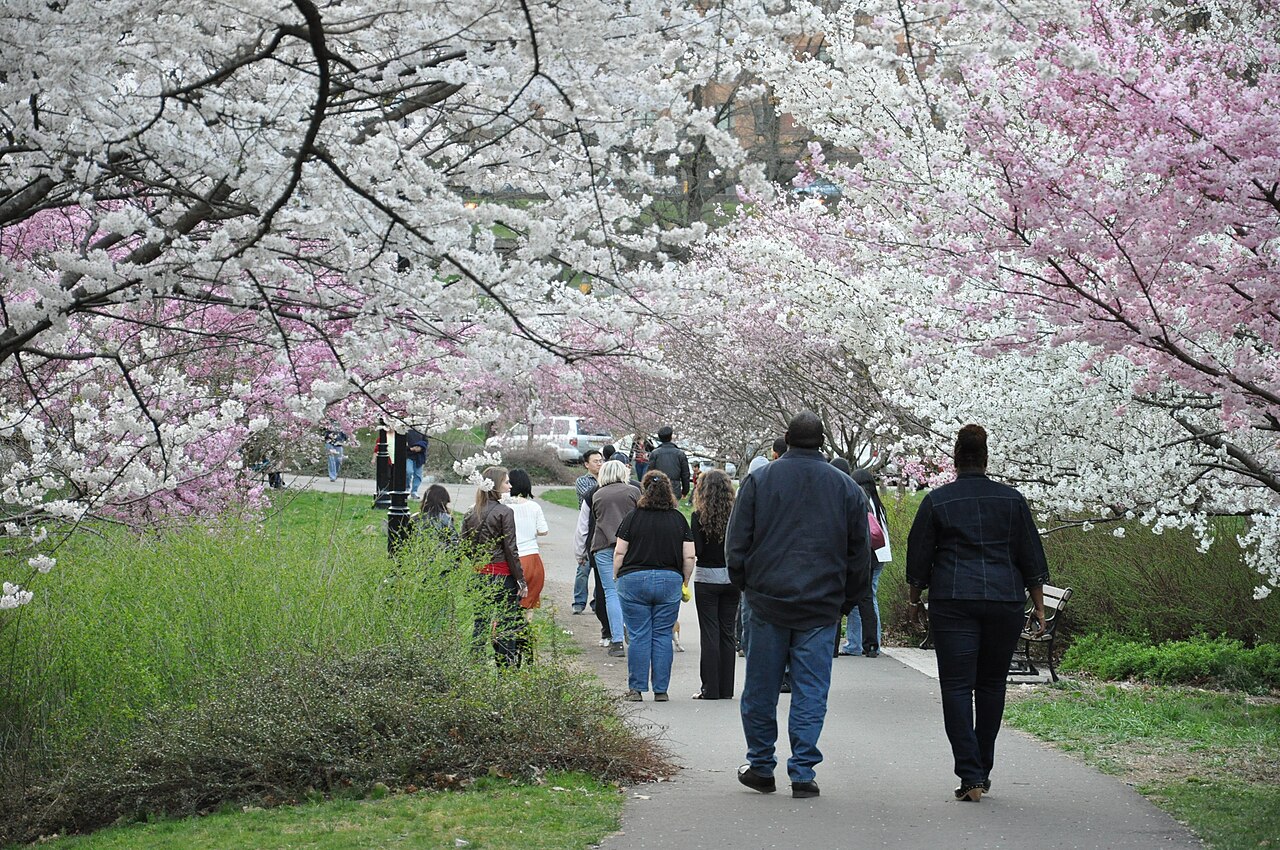
Cherry blossoms carry layered meanings in Japanese culture: they celebrate renewal and the beauty of nature, and they also evoke the impermanence of life — a concept often expressed with the phrase mono no aware. Hanami is both a private aesthetic practice and a public social event: major parks can be crowded, popular viewing spots are well known, and municipal authorities sometimes organize lighting and festivals. The custom has influenced art, literature, and tourism and has been adapted in many places outside Japan, where cherry blossom festivals echo the hanami spirit.
Practical considerations and variations
Etiquette for hanami is generally simple: respect the trees, tidy up afterwards, and be considerate of other visitors. Variations include evening or "yozakura" viewings when trees are illuminated, dedicated festivals at historic groves, and plum blossom gatherings that follow older traditions. For further reading and cultural context see resources on the Japanese language and seasonal customs via language references, historical overviews at early court culture, guides to public festivals via festival listings, regional timing and forecasts at seasonal forecasts, and horticultural information on cherry varieties at botanical sources.
Questions and answers
Q: What is hanami?
A: Hanami is an old Japanese custom that involves enjoying beautiful flowers, especially cherry blossoms, in the spring.
Q: What does the term "hanami" mean in Japanese?
A: The term "hanami" means "flower viewing" in Japanese.
Q: What is the most popular flower viewed during hanami?
A: The most popular flower viewed during hanami is the cherry blossom.
Q: How old is the custom of hanami?
A: The custom of hanami is more than a thousand years old.
Q: When does hanami take place?
A: Hanami takes place in the spring when the cherry trees are blooming, which typically occurs in late March or early April.
Q: How long do the cherry blossoms typically stay fresh?
A: The cherry blossoms typically stay fresh for only a week or two before blooming is over and they begin to fall from the trees.
Q: Are cherry blossoms the only flowers celebrated during hanami?
A: No, an older form of hanami also exists in Japan that celebrates the plum blossoms instead of cherry blossoms.
Related articles
Author
AlegsaOnline.com Hanami: Japanese flower-viewing tradition and its cultural significance Leandro Alegsa
URL: https://en.alegsaonline.com/art/42144
Sources
- japan-guide.com : ""A beginner's guide to Hanami" → How long do they bloom?"
- ktv.co.jp : Cyber Sakura Watching
- mint.go.jp : "Cherry Blossom Viewing"
- nijl.ac.jp : "Genji Monogatari"
- web.mit.edu : "MIT Japanese: Culture notes - Ohanami"
- japan-zone.com : "Japanese Culture - Calendar - Hanami Season"
- english.seoul.go.kr : "Spring flower festival events"
- nationalcherryblossomfestival.org : "National Cherry Blossom Festival"
- bbg.org : "Brooklyn Botanic Garden Celebrates Hanami"