
Pas-de-Calais
Pas-de-Calais is a coastal department in northern France, known for its Channel ports, World War battlefields, industrial history and the narrow strait separating France and England.
Pas-de-Calais is a department in the far north of France, part of the contemporary region of Hauts-de-France. Its name literally means "strait of Calais" and refers to the narrow channel that separates this coastline from southern England. The prefecture (administrative capital) is Arras, and the department has a long history as an entry point between the continent and Great Britain. Local dialects such as Picard and historical Flemish influence remain part of the cultural fabric.
Image gallery
10 Images




Geography and administration
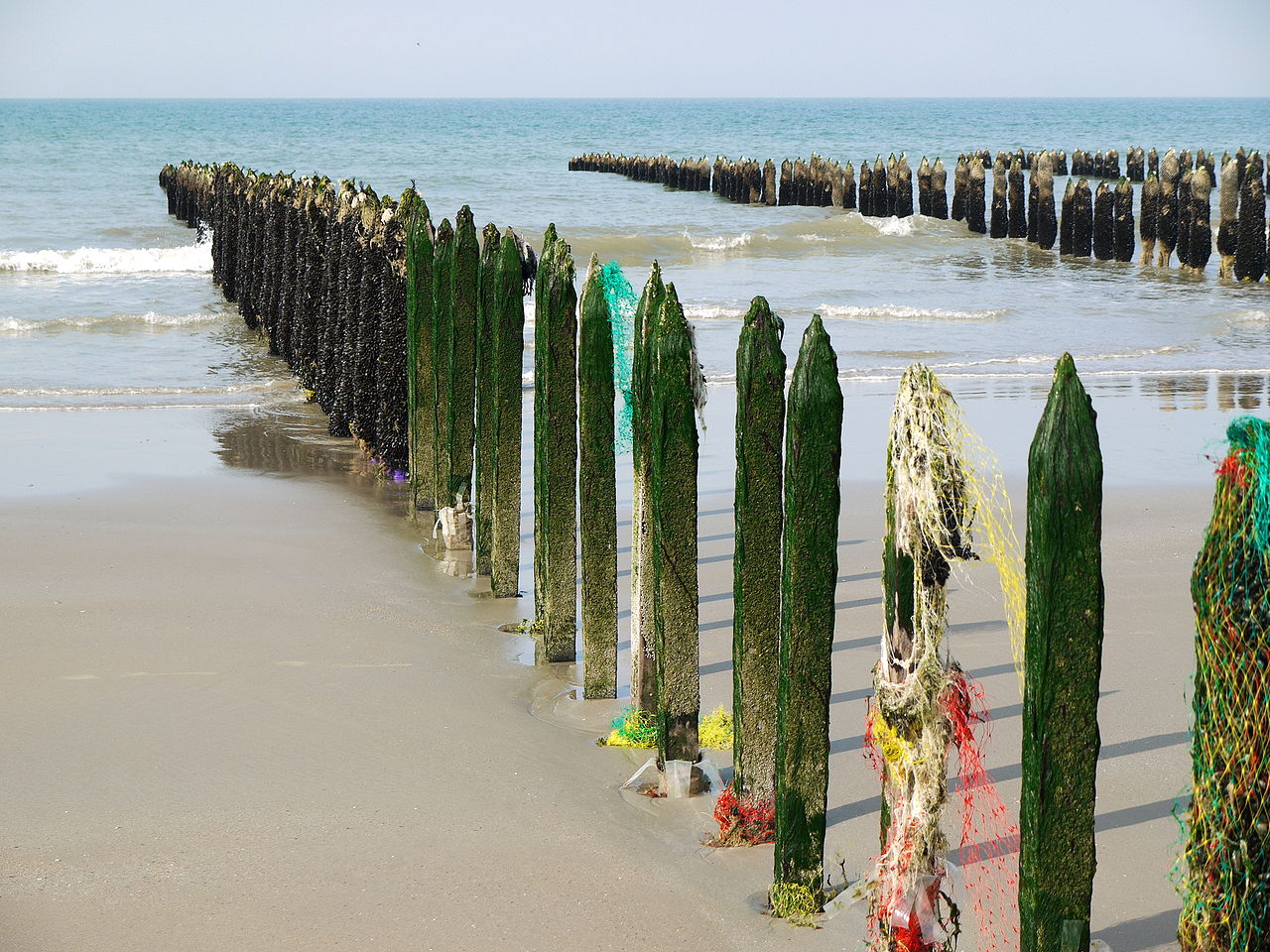
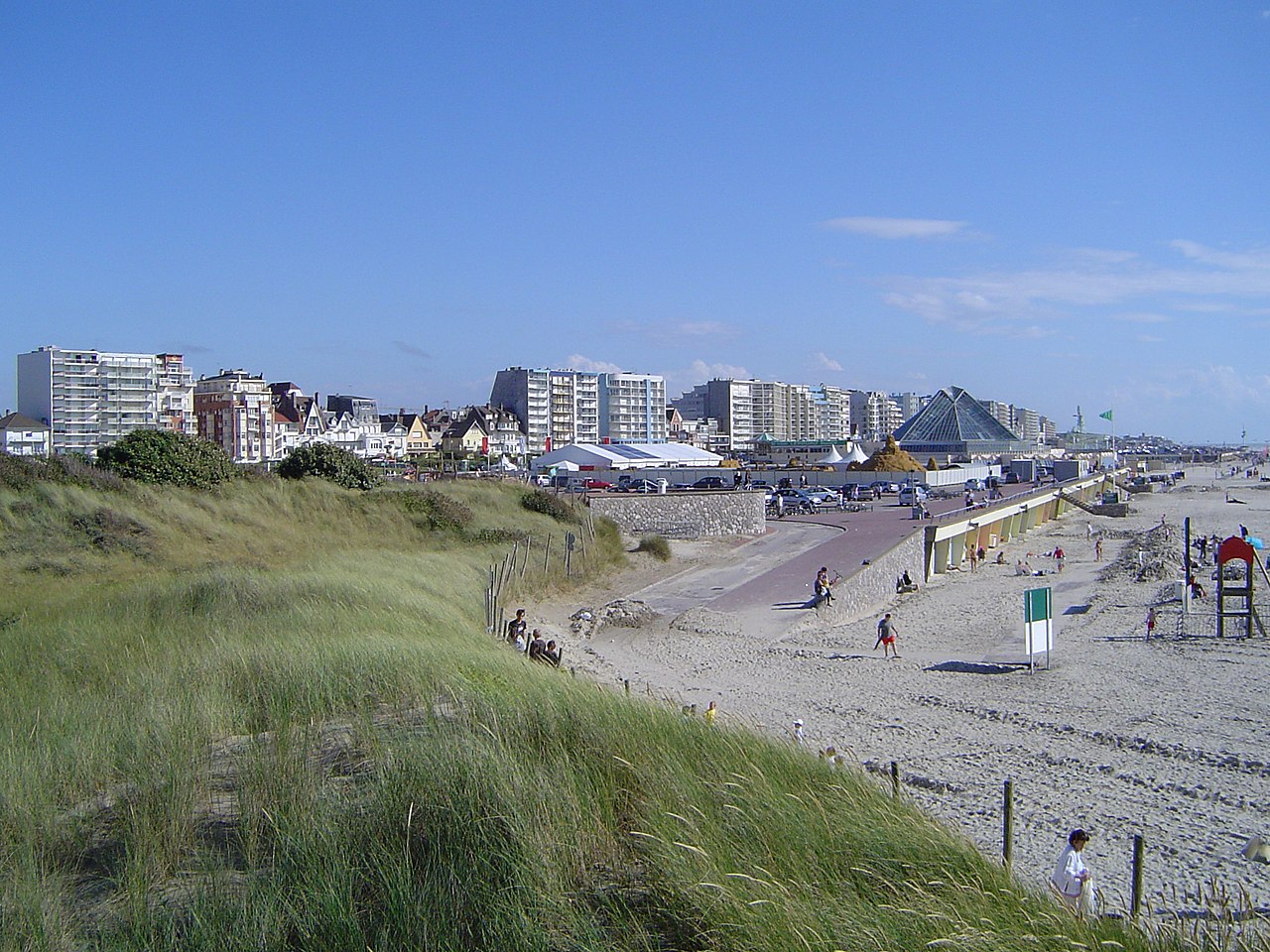
Pas-de-Calais lies along the English Channel and North Sea and includes cliffs, sandy beaches and chalk headlands. Major towns and ports include Calais, Boulogne-sur-Mer, Lens, Béthune and the prefecture Arras. The position of the department has shaped its economy and strategic importance for centuries: it contains the shortest sea crossing to England and the modern transport links that follow it.
History and origin
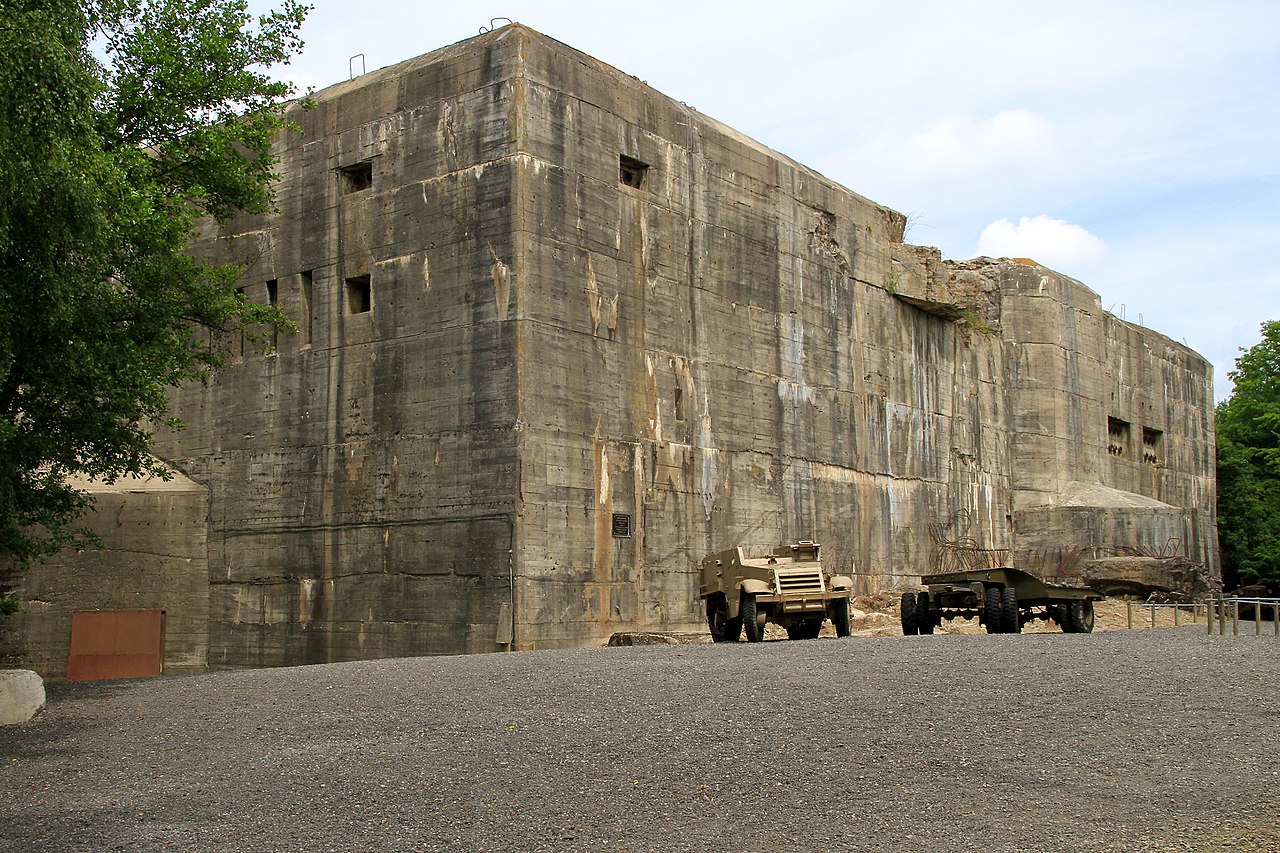
The department was created during the upheaval of the French Revolution as one of the original administrative divisions of France. Over time it has been shaped by maritime trade, fishing, the rise and decline of coal mining in the interior, and by the two world wars. During World War I and II many large battles and military preparations took place on its territory; memorials and cemeteries remain prominent features of the landscape.
Economy and society
Historically Pas-de-Calais was a major coal-producing area; mining towns developed around the basin near Lens and Béthune. In the late 20th century the economy diversified: ports and ferry traffic at Calais and Boulogne-sur-Mer, food processing, light industry and logistics play a large role today. The Channel Tunnel reaches the French side near Calais, linking the department by rail to the UK and continental Europe.
Culture, sites and significance
The department is known for its coastal scenery—Cape Blanc-Nez and Cape Gris-Nez—and for historic town centres such as the grand squares and belfry of Arras. Battlefield sites, military museums and memorials attract visitors interested in 20th-century history. Local cuisine reflects coastal and northern French traditions, with seafood, cheeses and beers prominent.
Practical notes and distinctions
- Pas-de-Calais functions within the larger administrative framework of its region and national government structures (department administration).
- The name emphasizes its maritime location and proximity to England—often referenced in travel and strategic history.
- Population estimates have varied over time; older figures place it at roughly 1.45 million people (mid-2000s estimates).
For more detailed entries on language, transport, and local heritage see the linked overview pages and local guides: northern France context, regional portals and municipal sites provide up-to-date practical information and deeper historical background.
Related articles
Author
AlegsaOnline.com Pas-de-Calais Leandro Alegsa
URL: https://en.alegsaonline.com/art/74876