
Vocational School: Purpose, Programs, and Role in Career Training
A vocational school (trade or technical school) provides practical training for specific occupations, offering certificates, diplomas, and applied skills often linked to industry certification and workforce needs.
Vocational schools—also called trade schools, technical schools, or career colleges—focus on teaching practical skills for specific occupations. Unlike broadly academic institutions, these schools prioritize hands-on training and applied knowledge that prepare students to enter the workforce in defined roles. Programs vary in length from a few months to two years and may result in certificates, diplomas, or associate degrees.
Image gallery
8 Images


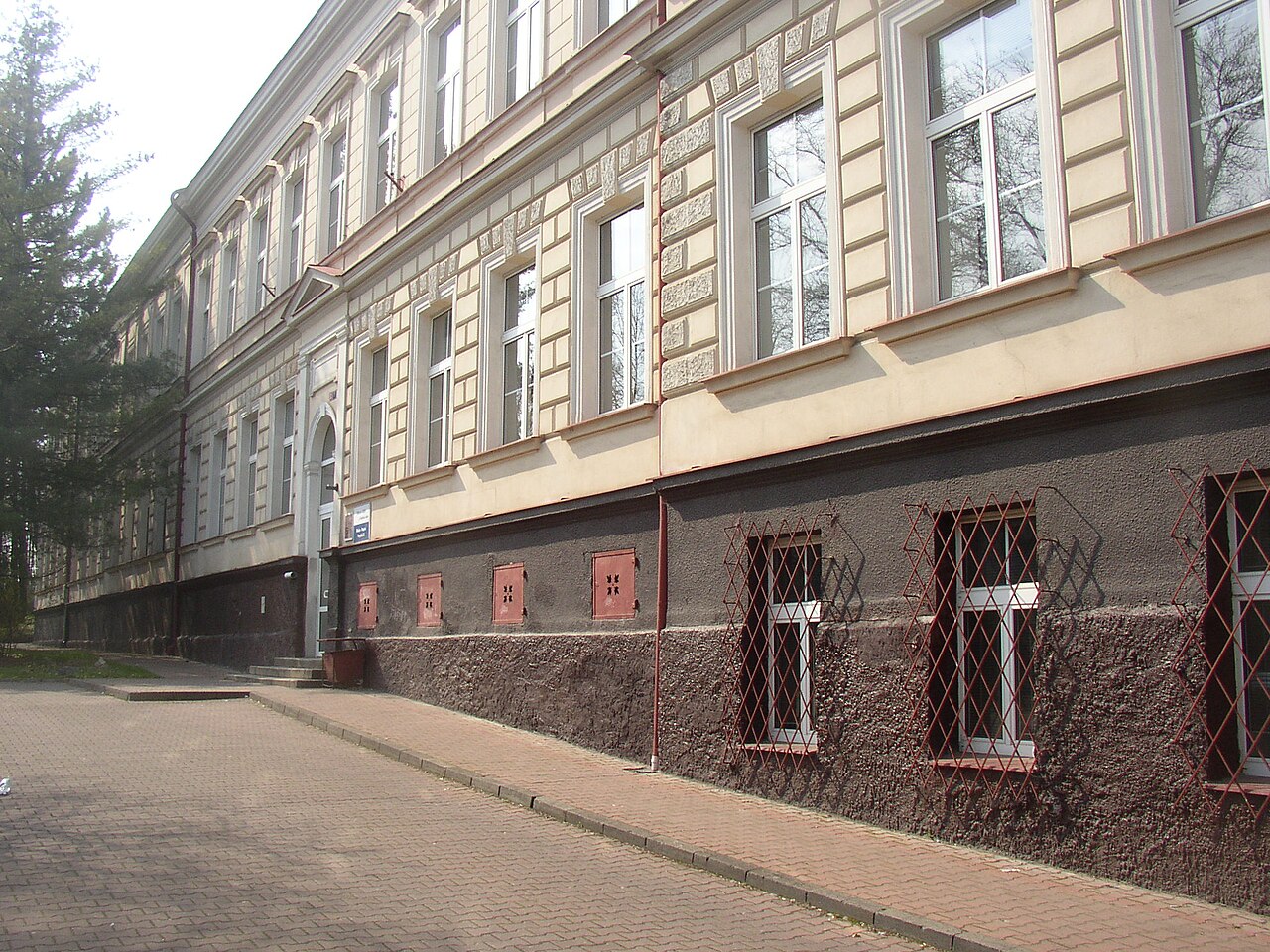


Characteristics and typical programs
Curricula emphasize industry-relevant techniques and equipment. Common areas include automotive service, electrical and plumbing trades, welding, culinary arts, cosmetology, healthcare technician roles (like medical assisting or dental hygiene), information technology, and construction-related skills. Many schools incorporate workplace simulations, lab work, and internships to mirror on-the-job conditions.
History and development
Training for skilled trades has roots in pre-industrial guilds and apprenticeships. During industrialization, more formal technical institutes emerged to meet factory and infrastructure needs. Since the late 20th century, many vocational institutions have also integrated general education and pathways to higher credentials, reflecting employer demand for both technical and basic academic skills.
Uses and benefits
- Shorter, focused programs that can lead quickly to employment.
- Clear alignment with licensing or certification requirements in regulated trades.
- Opportunities for employer partnerships, apprenticeships, and hands-on practicum experience.
Vocational education plays a central role in workforce development by supplying trained practitioners for essential services and skilled industries. It can be offered within secondary schools, dedicated postsecondary institutes, community colleges, and through apprenticeships.
Distinctions and notable points
Vocational schools differ from academic universities in intent and scope: they focus on applied competencies rather than broad theoretical studies. They may be public or private, accredited to varying degrees, and sometimes use alternative names such as VET (vocational education and training). Prospective students often weigh program length, accreditation, industry connections, and licensing outcomes when choosing a school.
Related articles
Author
AlegsaOnline.com Vocational School: Purpose, Programs, and Role in Career Training Leandro Alegsa
URL: https://en.alegsaonline.com/art/105771