
Liviu Librescu: scientist, Holocaust survivor, and Virginia Tech hero
Biography of Liviu Librescu, a Romanian-born Israeli‑American engineer and professor known for contributions to aeroelasticity and for his heroic actions during the 2007 Virginia Tech shooting.
Overview
Liviu Librescu (August 18, 1930 – April 16, 2007) was a Romanian-born scientist and engineer who later became an Israeli and American citizen. He was a university professor and researcher in the fields of aeroelasticity and aerodynamics and is widely remembered for his actions during the mass shooting at Virginia Tech in 2007. His life combined sustained scholarly achievement with a personal history shaped by the events of mid-20th century Europe.
Image gallery
2 Images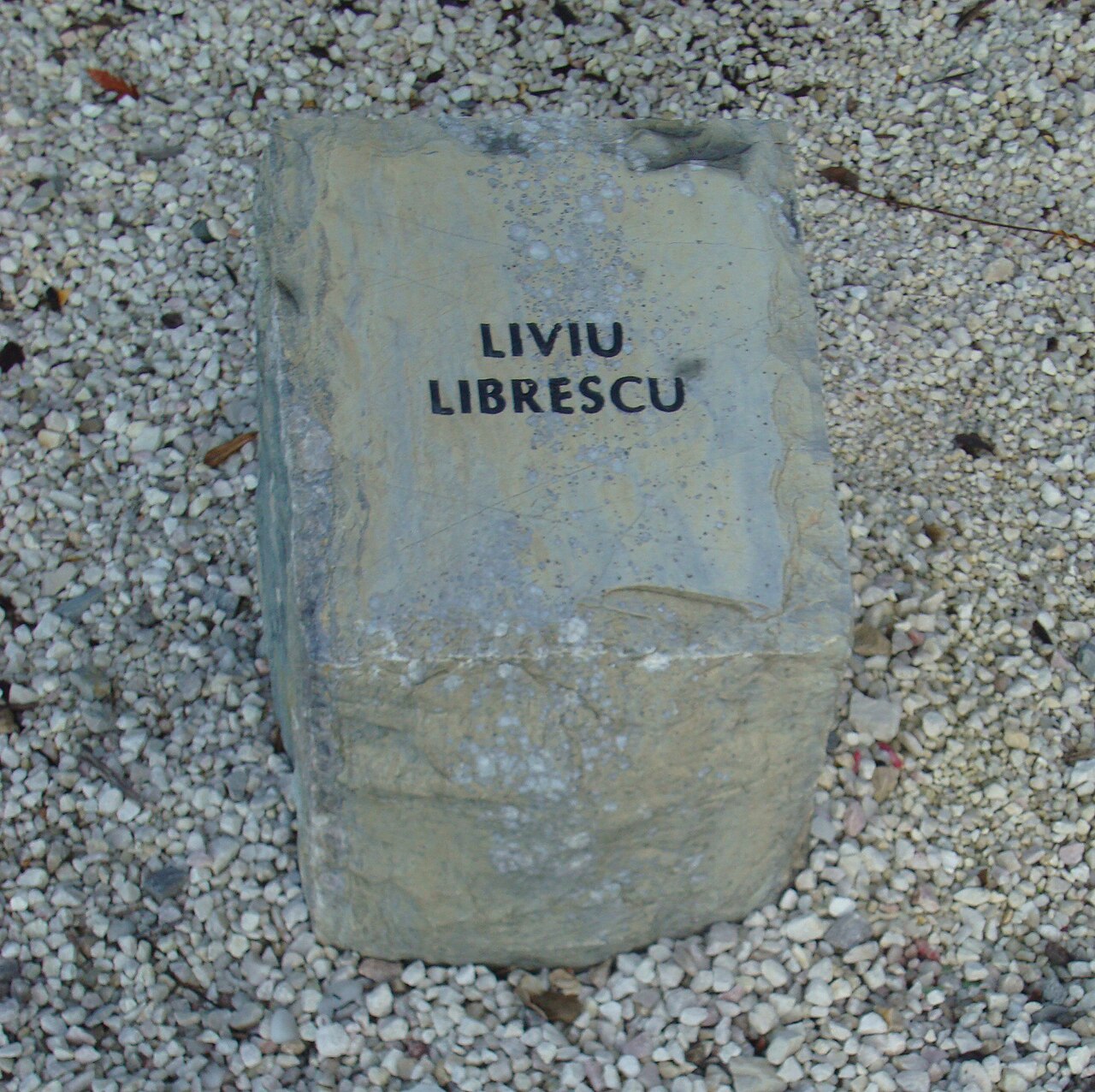

Early life and Holocaust survival
Librescu was born in Ploiești, Romania. He came of age during World War II and survived the Holocaust, an experience that deeply influenced his later outlook and commitments. Surviving persecution and displacement was a formative part of his biography and informed his personal values and dedication to students and colleagues.
Education, emigration and academic appointments
After completing his early studies, Librescu emigrated from Romania and later lived and worked abroad. Over the course of his career he became a naturalized Israeli citizen and subsequently an American citizen. He held a long-term academic appointment as Professor of Engineering Science and Mechanics at Virginia Tech, where he taught and advised students for many years.
Research and contributions
Librescu's major research fields were aeroelasticity and aerodynamics, areas concerned with the interaction between fluid flow and structural response. His work addressed stability, vibration, and fluid–structure interaction problems relevant to aircraft and other engineering structures. He published research articles, contributed to professional literature, and supervised graduate research in mechanical and aerospace engineering topics.
Teaching and mentorship
As an educator, Librescu was known for rigorous instruction and mentorship. He taught undergraduate and graduate courses in mechanics and aeroelasticity, and guided students in research that combined mathematical analysis with engineering applications. Former students and colleagues have recalled his commitment to clarity, discipline, and the welfare of those he taught.
Virginia Tech shooting and final actions
On April 16, 2007, during a mass shooting at Virginia Tech, Librescu was teaching in a classroom when the attacker arrived. According to multiple accounts, he blocked the classroom door and used his body and voice to delay the gunman, enabling most of his students to escape through classroom windows. He was shot and killed while protecting others. His actions were widely described as heroic and demonstrated a selfless concern for the safety of his students.
Recognition and legacy
Librescu's life and sacrifice received international attention. He was posthumously honored by Romania with the Order of the Star of Romania, one of the country's highest civilian distinctions. In the years after his death, memorials, scholarships and commemorative events have been established by educational institutions and community groups to remember his work and courage. His story is often referenced in discussions about campus safety, the responsibilities of educators, and the long-term effects of historical trauma.
Context and names
His name appears in different scripts and languages; for the Hebrew form see Hebrew spelling. Biographical notes also cite his Romanian origins (Ploiești, Romania) and his later national affiliations (Israeli and American). Short institutional profiles reference his status as a Romanian-born scholar and teacher.
Further reading and resources
- General introductions to his research fields: aeroelasticity and aerodynamics.
- Institutional biographies and memorial pages maintained by universities where he taught or was affiliated: see university and archival notices for context.
- Local and national reports on honors and awards, including the posthumous bestowal of the Order of the Star and other recognitions.
Liviu Librescu's life illustrates the combination of a rigorous technical career and a personal history that intersected with major historical events. His professional work in engineering continues to be cited within the study of structural response to aerodynamic forces, while his final act is remembered as an example of personal courage and devotion to students.
For institutional or primary-source details consult archived records at academic repositories and official announcements from the universities and governments involved; see the links above for starting points in bilingual and institutional materials.
Related articles
Author
AlegsaOnline.com Liviu Librescu: scientist, Holocaust survivor, and Virginia Tech hero Leandro Alegsa
URL: https://en.alegsaonline.com/art/58640
Sources
- esm.vt.edu : Liviu Librescu's Curriculum Vitae
- foxnews.com : foxnews.com/story/0,2933,266506,00.html