
Waseda University
Private research university in Tokyo founded in 1882, known for broad academic programs, international exchange, and a long history as one of Japan’s leading higher-education institutions.
Waseda University (早稲田大学, Waseda Daigaku) is a major private research university in Tokyo, Japan. Established in 1882, it has grown into a large multi-campus institution best known for a wide range of undergraduate and graduate programs, active research, and extensive international partnerships. The university combines traditional strengths in the humanities and social sciences with engineering, science, and professional education.
Image gallery
10 Images
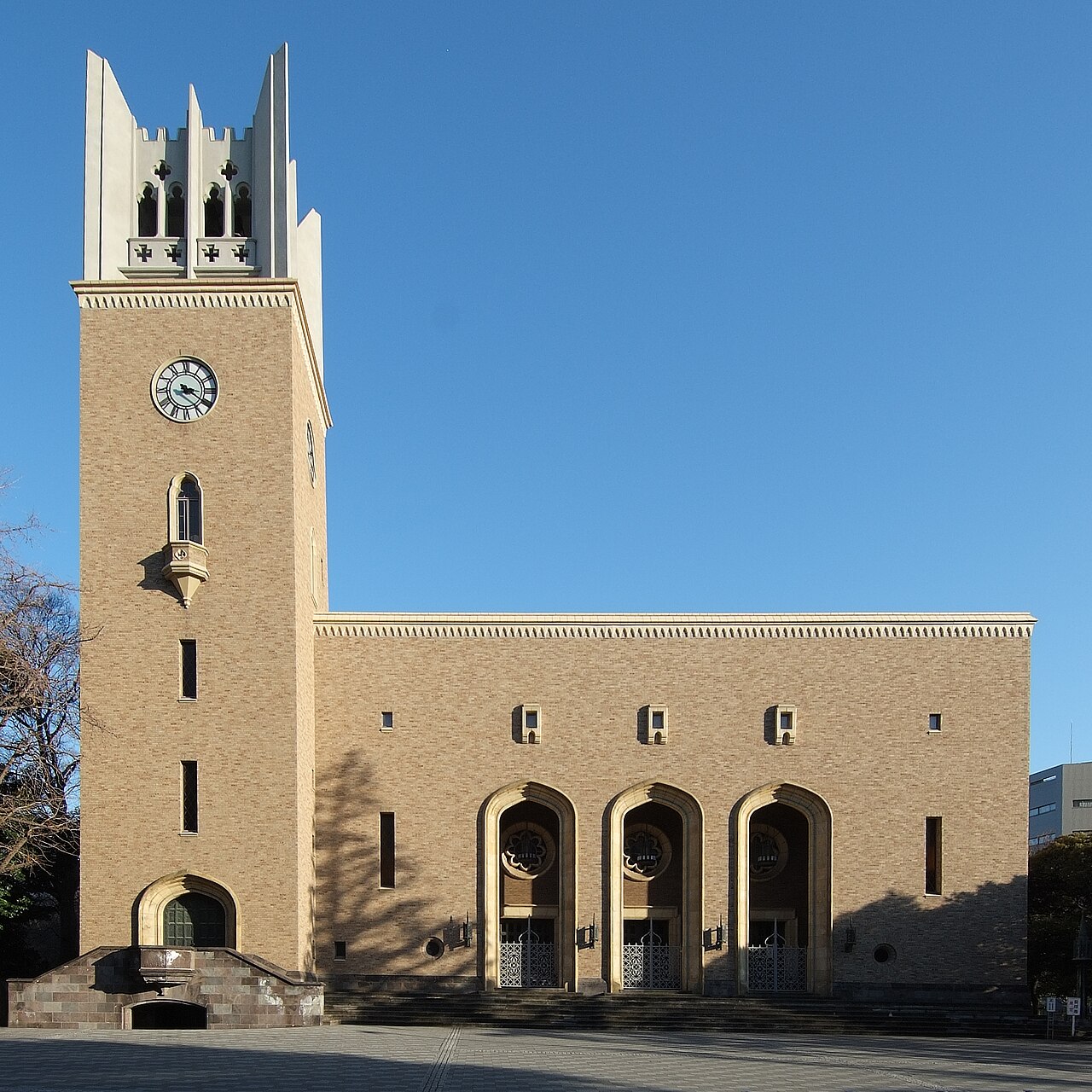



Overview and identity
Waseda maintains a distinctive institutional motto, often translated as the "Independence of Learning," which emphasizes academic freedom and practical scholarship. The main campus is located in the Waseda neighborhood of Shinjuku, Tokyo, and the university is commonly described as one of Japan's top private universities. Information about the university is available on its official channels, for example the Waseda website, and more broadly in resources about higher education in Japan.
History and development
Founded in the late 19th century, Waseda expanded through the 20th century by adding faculties, graduate schools, and research institutes. It was part of Japan's modern university movement and attracted students interested in civic life, business, journalism, law, and the arts. Over time the institution broadened into a comprehensive university with professional schools and interdisciplinary research centers.
Organization and campuses
The university comprises multiple undergraduate schools and graduate schools, covering disciplines such as literature, political science, law, economics, commerce, science and engineering, and the arts. The system includes regional and satellite campuses in addition to the principal Shinjuku campus; campuses may house specialized facilities for engineering, sports sciences, and graduate programs.
Academics, research and international links
Waseda offers a mix of bachelor's, master's and doctoral programs as well as professional training. It supports research centers, publications, and collaborative projects across the humanities, social sciences, natural sciences and engineering. The university places emphasis on international exchange, with partnerships, study-abroad arrangements, and programs taught in English to attract foreign students and faculty.
Students, culture and notable aspects
As of mid-2016 the university reported tens of thousands of students: approximately 42,860 undergraduates and 8,269 graduate students (figures vary by year). Campus life includes student clubs, athletic teams, and cultural organizations, which contribute to a lively extracurricular scene. Waseda is also known for producing graduates who go on to careers in government, business, media, literature and academia, and for a visible alumni network that participates in public life.
Distinctive features
- Long history dating back to 1882 and a role in Japan's modern higher education.
- Comprehensive academic coverage from humanities to engineering and professional schools.
- Active international collaborations and English-medium programs.
- Prominent campus culture with numerous student organizations and public events.
Questions and answers
Q: What is Waseda University?
A: Waseda University is a well-known university in Japan with its main campus in Shinjuku, Tokyo.
Q: When was Waseda University founded?
A: Waseda University was founded in 1882.
Q: How many departments does Waseda University have?
A: Waseda University has thirty-six departments, including thirteen undergraduate schools and twenty-three graduate schools.
Q: How many undergraduate students were there as of May 2016?
A: As of May 2016, there were 42,860 undergraduate students at Waseda University.
Q: How many graduate students were there as of May 2016?
A: As of May 2016, there were 8,269 graduate students at Waseda University.
Q: What is the Japanese name for Waseda University?
A: Waseda University is called 早稲田大学 (Waseda Daigaku) in Japanese.
Q: Is Waseda University well known in Japan?
A: Yes, Waseda University is a well-known university in Japan.
Related articles
Author
AlegsaOnline.com Waseda University Leandro Alegsa
URL: https://en.alegsaonline.com/art/106659
Sources
- waseda.jp : Waseda University FACTS 2016
- yomiuri.co.jp : "Waseda University Baseball Team: Renewing Ties with the University of Chicago after 72 Years"