
Venice, Los Angeles: history, landmarks, and cultural profile
Coastal Los Angeles neighborhood known for its canals, beaches and boardwalk. Overview of Venice’s history, landmarks, culture, geography, and contemporary issues including tourism, development and preservation.
Venice is a distinctive neighborhood on the west side of Los Angeles, in California, United States. The district is widely known for its beachside promenade, a historic canal district, and a street-level culture of performers, artists and small businesses. Locals often distinguish between the beachfront strip, the inland commercial corridors and the quieter residential blocks, but together these areas compose the social and visual identity commonly called Venice.
Image gallery
10 Images



Landmarks and public spaces
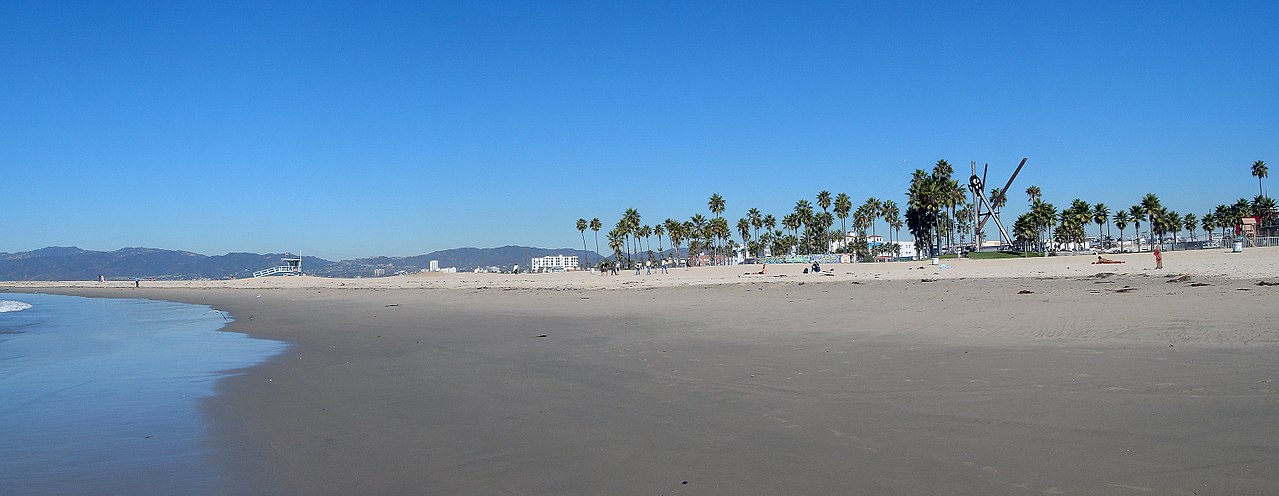
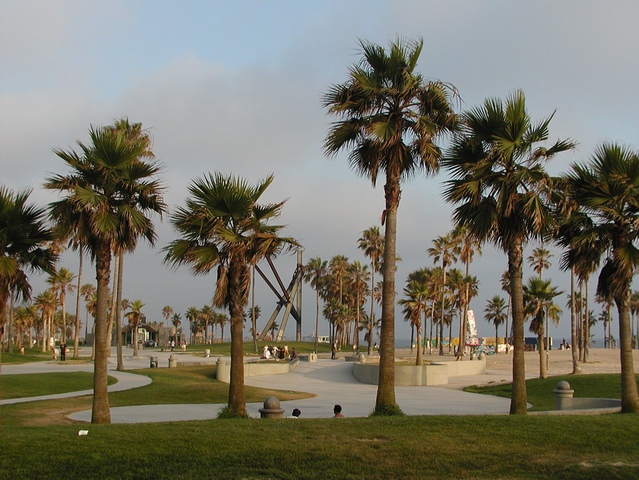
Signature public spaces include the restored Venice Canals, the broad sandy beaches and the carnival-like Ocean Front Walk, where street performers, vendors and muralists gather. Muscle Beach and outdoor exercise areas, the concrete skatepark near the shore and the nearby pier contribute to a strong outdoor-sports culture. Commercial streets such as Abbot Kinney Boulevard mix independent shops, galleries and restaurants and are often cited as examples of Venice’s contemporary commercial life.
- Canal district: a historic residential area with restored walkways and small footbridges.
- Boardwalk and promenade: the center of street performance, vendor stalls and public art.
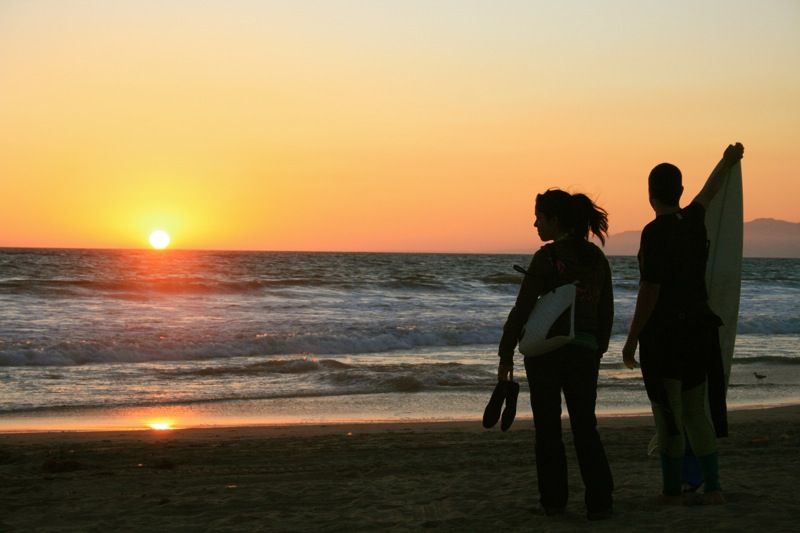
- Recreation: beaches, outdoor gyms, surfing, and skateboarding facilities.
History and cultural role
Venice began as a planned seaside resort created by developer Abbot Kinney in the early 20th century. Originally promoted for its canals and attractions, the neighborhood was later incorporated into the City of Los Angeles. Over the decades Venice attracted writers, artists and musicians; in the mid-20th century it was associated with early Beat-era poets and became home to varied creative communities. That legacy continues to shape local galleries, murals and cultural activity.
Like many urban neighborhoods, Venice has experienced waves of change. Some historic features were filled or altered during municipal development, while preservation efforts have conserved important sections such as the canal district. In recent decades the area has seen rising property values and changes to its business mix, prompting ongoing conversations about gentrification, affordable housing, and the preservation of public spaces.
Geography, access and governance
The neighborhood faces the Pacific Ocean to the southwest and is adjacent to Marina del Rey to the southeast. Nearby communities include Culver City, Mar Vista and Santa Monica. Venice uses area codes 310 and the 424 overlay and is commonly associated with ZIP Code 90291. Public transportation and bicycle routes connect Venice to other parts of Los Angeles, and the area is a short drive from major regional corridors and airports, which contributes to its popularity with visitors.
Community life and contemporary issues
Venice remains a mixed neighborhood: a tourist destination and a year-round residential community. Local civic groups, business associations and arts organizations play active roles in planning and preservation debates. Public concerns often focus on balancing visitor activity with neighborhood livability, managing traffic and parking pressure, and addressing homelessness and affordable housing in ways that respect residents and public safety. Community-led events, street fairs and gallery openings are regular features of cultural life.
Visitors are encouraged to respect private property, local signage and public safety guidance when enjoying beaches, canals and public art. For further reading on neighborhood history, planning and cultural programs, consult local archives and municipal resources that cover Venice’s development, conservation efforts and contemporary civic initiatives.
Questions and answers
Q: What is Venice known for?
A: Venice is known for its canals, beaches and circus-like Ocean Front Walk, which features performers, fortune-tellers and vendors.
Q: Is Venice a popular destination for tourists?
A: Yes, many tourists visit Venice.
Q: Which famous groups of people lived in Venice in the past?
A: Early Beat poets and artists in Los Angeles made their home in Venice.
Q: What are the area codes for Venice?
A: The area codes for Venice are 310 and a 424 overlay.
Q: What is the ZIP Code for Venice?
A: The ZIP Code for Venice is 90291.
Q: What are the borders of Venice?
A: The borders of Venice are the Pacific Ocean on the southwest, Marina Del Rey on the southeast, Culver City on the east, Mar Vista on the northeast, and Santa Monica on the north.
Q: When is the boardwalk in Venice busiest?
A: The boardwalk in Venice is busiest in summer.
Related articles
Author
AlegsaOnline.com Venice, Los Angeles: history, landmarks, and cultural profile Leandro Alegsa
URL: https://en.alegsaonline.com/art/104564