
Circus: History, Structure, Acts, and Modern Forms
Comprehensive overview of the circus: what it is, typical acts and roles, historical development, modern variations and concerns, and its cultural importance and training traditions.
Overview
The circus is a public spectacle in which a variety of performers present a sequence of acts intended to entertain an audience. Traditionally staged inside a large tent known as the "Big Top" or in a dedicated arena, a circus program mixes athletic feats, comedic performance, animal exhibitions and musical accompaniment. Shows may be produced by travelling troupes that move seasonally from town to town or by permanent companies based in a single city.
Image gallery
10 Images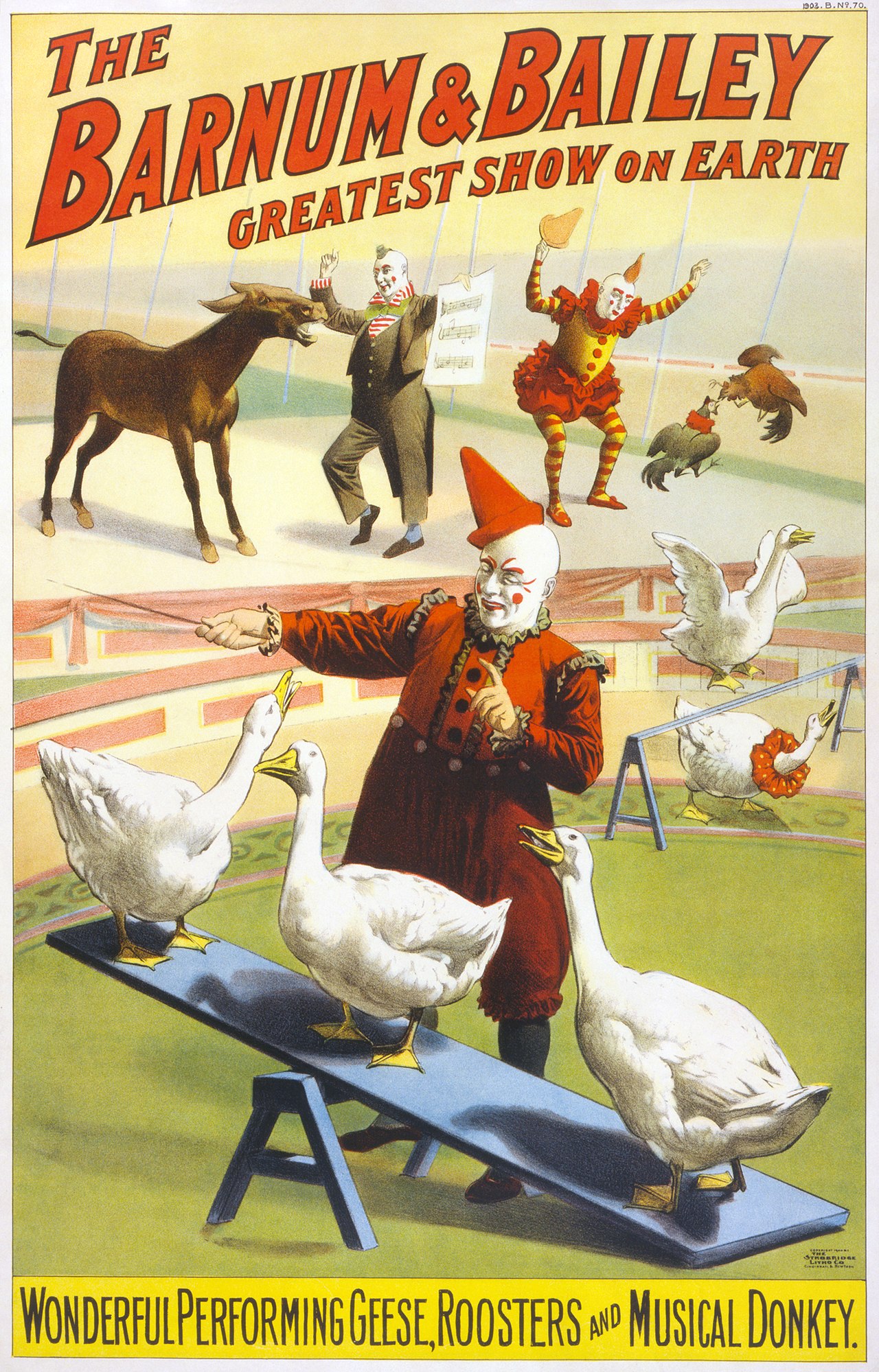





Components, roles and typical acts
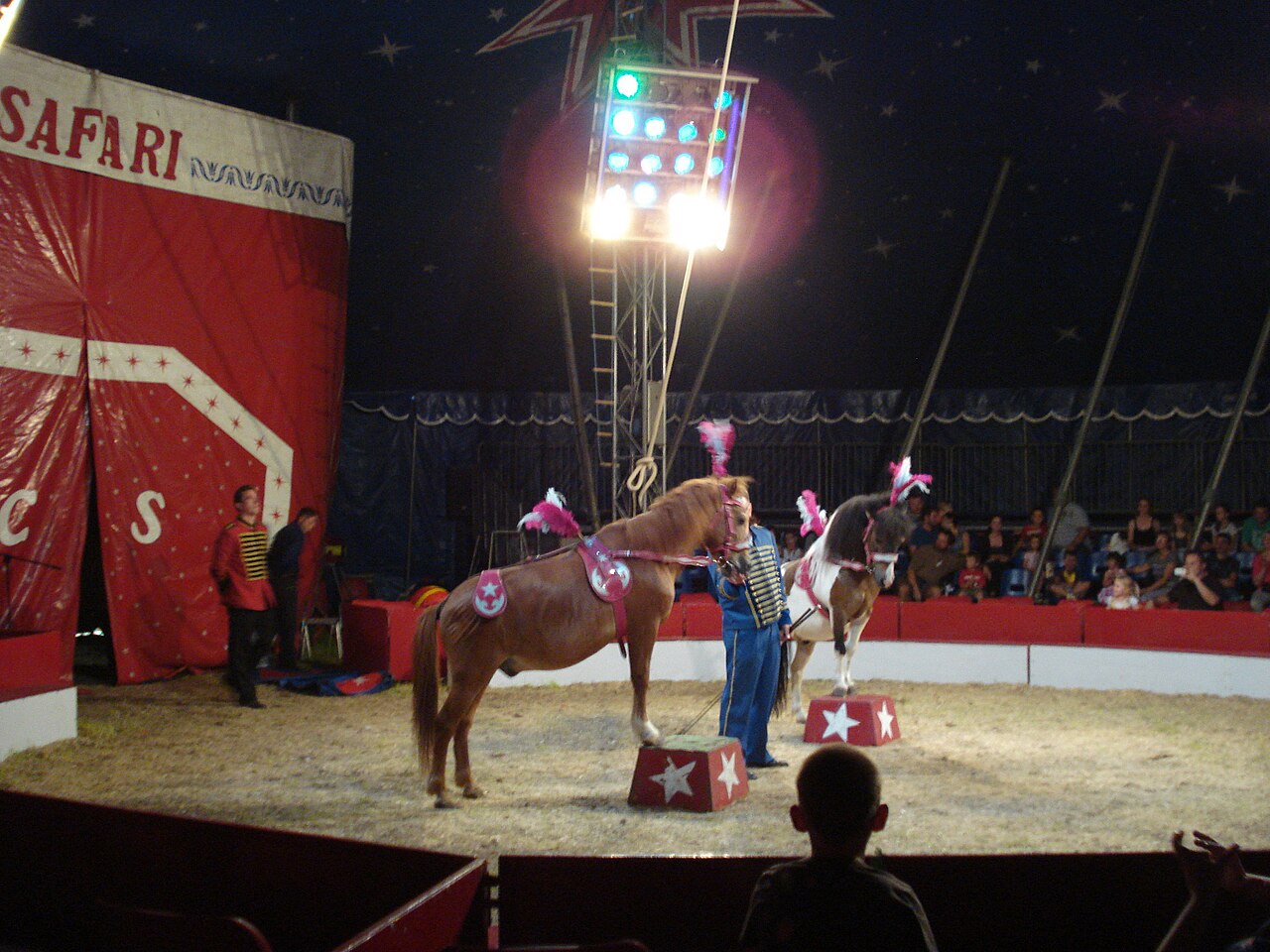
A circus show is organized around a central performance space, commonly called the ring, and overseen by a ringmaster who introduces acts and maintains the pace of the program. Seating is usually arranged in tiers to provide good sightlines around the circular performance area. Common categories of circus acts include:
- Acrobatics: human pyramids, tumbling and floor work.
- Aerial acts: trapeze, aerial silks, ropes and hoops.
- Balance and tightwire: tightrope walking, unicycle, balancing poles.
- Manipulation: juggling, hooping, diabolo and object balancing.
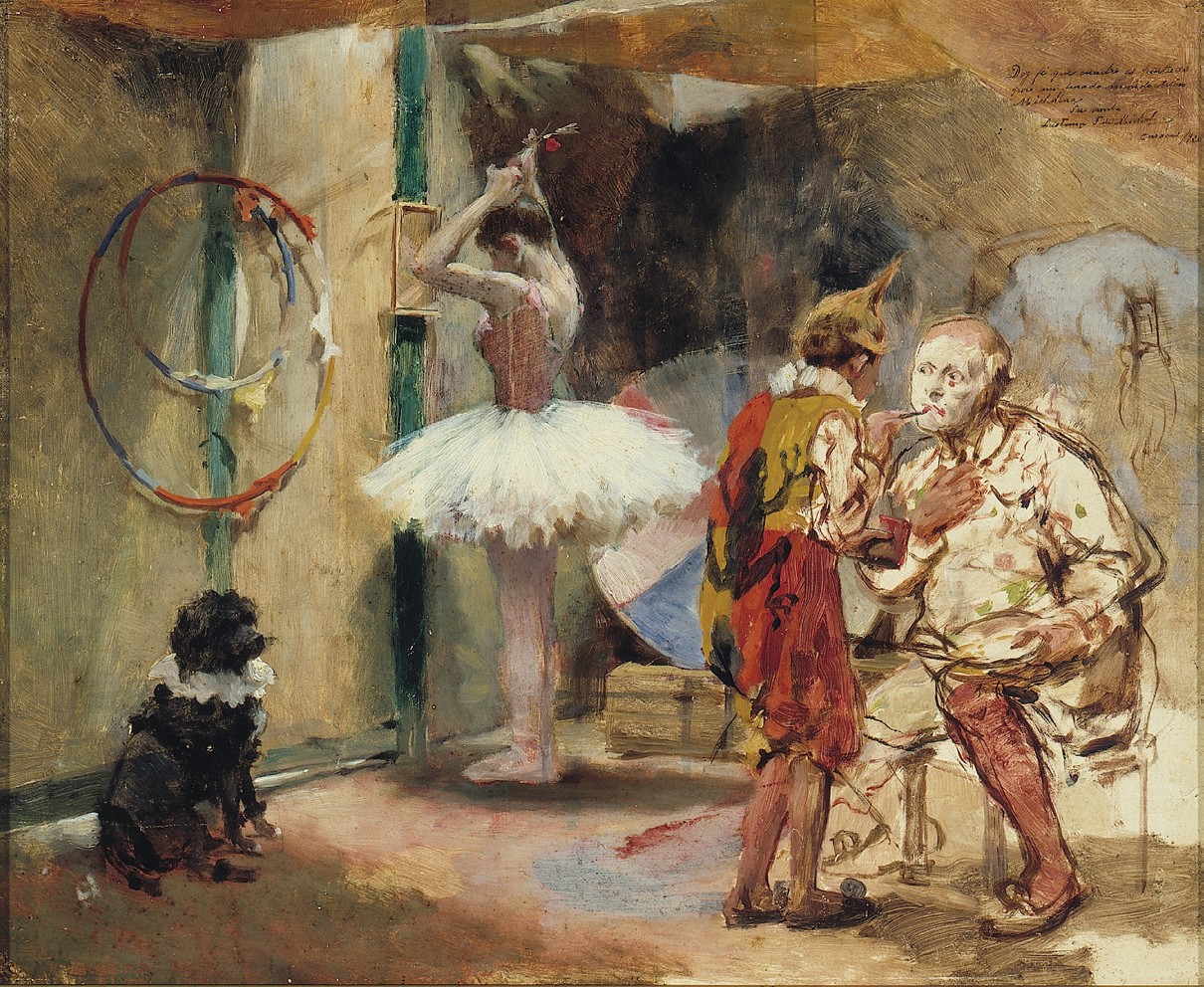
- Clowning and comedy: physical comedy, skits and audience interaction.
- Animal performances: trained horses, dogs, elephants and others—though this practice has declined or been banned in many places.
- Support roles: musicians, stagehands, costume and rigging crews.
History and development
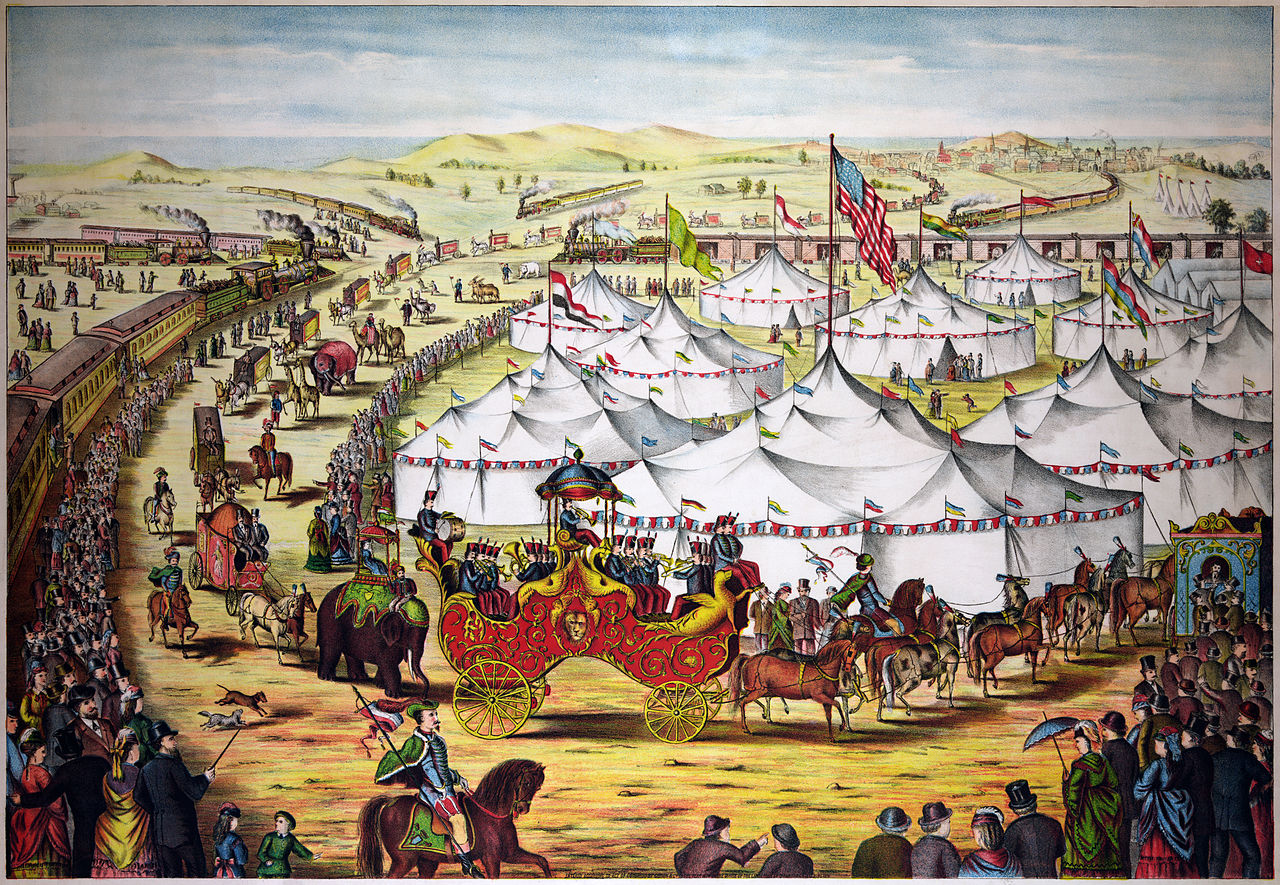
The modern circus traces its roots to equestrian and variety entertainments of the 18th century; contemporary accounts often credit showmen who staged riding displays and introduced a circular ring to concentrate attention. Over the 19th and 20th centuries the circus spread internationally, evolving into large travelling companies with elaborate tents and diverse programs. In the late 20th century new approaches—sometimes called "contemporary" or "nouveau" circus—began emphasizing theatricality, narrative and choreography over presenting a parade of separate acts.
Modern forms, regulation and controversies
Today the term "circus" covers a wide range of companies and events, from small neighbourhood shows and circus schools to major international productions. Important contemporary trends include stricter safety standards, professional regulation of rigging and acrobatics, and growing public concern about the welfare of performing animals. In response, many producers have dropped animal acts or use alternative storytelling, puppetry and human-only performances to meet audience and legal expectations.
Cultural importance and training
Circus arts combine athleticism, theatre and visual spectacle and have influenced dance, film and popular culture. Training can be informal—within family troupes—or formal at community programs and specialized schools that teach juggling, aerial arts, clowning and production skills. Festivals and touring shows continue to keep the form visible while schools help preserve technical knowledge and promote innovation.
For more context, histories and programs related to circus practice and development, consult general resources and archives here.
Questions and answers
Q: What is a circus?
A: A circus is a special kind of entertainment that can be enjoyed by both children and adults. It involves a group of performers that may include acrobats, clowns, trained animals, trapeze acts, musicians, hoopers, tightrope walkers, jugglers, and other artists who perform stunts.
Q: Where do circuses usually perform?
A: Circuses usually travel to different parts of the country or to other countries. They set up a huge tent called the “Big Top” wherever they go.
Q: What is the “Big Top”?
A: The “Big Top” is a huge tent that is set up by circuses wherever they go. It can hold hundreds of people in the audience and has tiered seating (the seats at the back are higher than those in front). In the middle is the circular area where the artists perform.
Q: What is the circular area in the middle of the “Big Top” called?
A: The circular area in the middle of the “Big Top” where the artists perform is called the “ring”.
Q: Who is in charge of the whole circus show?
A: The person in charge of the whole circus show is the “ringmaster”.
Q: What does a circus performance usually involve?
A: A circus performance usually involves a variety of performers, including acrobats, clowns, trained animals, trapeze acts, musicians, hoopers, tightrope walkers, jugglers, and other artists who perform stunts.
Q: Do all circuses travel around?
A: No, not all circuses travel around. Some circuses perform in their own way and do not travel to different parts of the country or other countries.
Related articles
Author
AlegsaOnline.com Circus: History, Structure, Acts, and Modern Forms Leandro Alegsa
URL: https://en.alegsaonline.com/art/20469