
Vaulx-Vraucourt
Vaulx-Vraucourt is a small commune in the Pas-de-Calais department of northern France, with rural character, historical ties to major 20th-century conflicts, and local agricultural and memorial sites.
Vaulx-Vraucourt is a commune in the Pas-de-Calais department of northern France. Administratively it is associated with the historical province known as Nord-Pas-de-Calais and today lies within the broader modern region often referenced as Hauts-de-France. As a French commune it forms part of the local municipal network centered on rural life and small-scale public administration.
Image gallery
3 Images
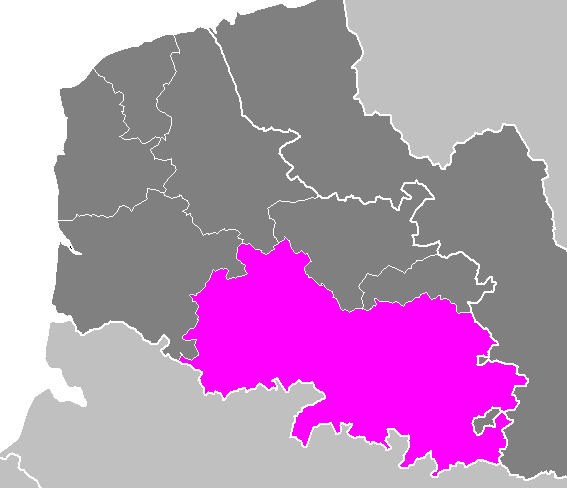

Geography and character
The village occupies a predominantly agricultural landscape typical of the department. Fields, hedgerows and small lanes shape its surroundings, and the settlement pattern is that of a small rural community rather than an urban centre. Its setting in northern France gives it the temperate climate and open farmland associated with the region.
History
Vaulx-Vraucourt has a long local history and, like many communes in Pas-de-Calais, was affected by the wars that crossed northern France. The area experienced significant disruption during the First World War and underwent reconstruction in the decades that followed; traces of that period inform local memorials and historical consciousness.
Landmarks and heritage
- Local parish church and village monuments reflecting post-war rebuilding efforts.
- Memorials and burial sites commemorating military and civilian losses from early 20th-century conflicts.
- Rural architecture and landscape features that illustrate traditional agricultural practices in the Pas-de-Calais department.
Economy and administration
The commune's economy is primarily oriented toward agriculture and services that support local life. Municipal governance handles routine communal services, land use and cultural activities characteristic of small French communes; municipal information is typically available via departmental contacts and links such as departmental resources.
Visitors and researchers interested in rural northern France often find Vaulx-Vraucourt representative of the region's blend of agricultural heritage and twentieth-century history. For practical information about transport, local events and administrative procedures, regional guides and commune notices are useful starting points, and several local sites and markers provide tangible context for the past.
Related articles
Author
AlegsaOnline.com Vaulx-Vraucourt Leandro Alegsa
URL: https://en.alegsaonline.com/art/104389