
Vauxhall Gardens
Historic London pleasure gardens (late 17th–mid 19th centuries), famed for music, illuminations, spectacles, social mixing and large public entertainments; closed in 1859 and redeveloped.
Overview
Vauxhall Gardens was one of the most famous pleasure gardens in Britain, located on the south bank of the River Thames in what is now Vauxhall, London, England. From the later 17th century through the mid 19th century it provided a managed, commercial setting for outdoor leisure: promenading, concerts, displays and seasonal entertainments drew visitors across social classes. Its long operation and public profile made it a landmark in the development of urban recreational culture and commercial popular entertainment.
Image gallery
4 Images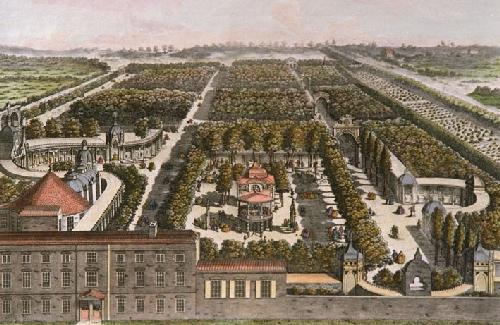


Origins and development
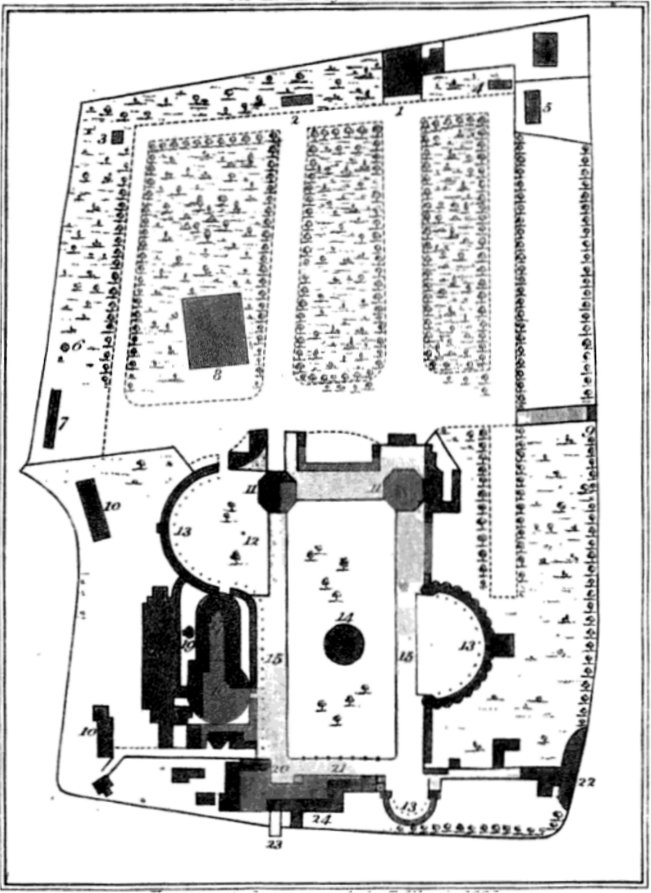
The site began as informal riverside pleasure grounds and over time became a purposefully organised attraction. Proprietors progressively added planted walks, pavilions, supper boxes and architectural features to create separate spaces for music, dining and viewing. By the 18th century more regular musical and theatrical programmes were established and the gardens gained a fashionable reputation among Londoners and visitors. Managers experimented with programming and presentation to attract repeat attendance and to compete with other public amusements.
Admission and management
The gardens shifted from an occasional riverside resort into a commercial enterprise; by the late 18th century a formal charge for admission was introduced (the site is recorded as operating as Vauxhall Gardens from 1785). Admission practices, seasonal subscriptions and the provision of private boxes helped create a mixed experience of public and exclusive spaces within the same grounds. Management decisions about lighting, music and special events were central to the gardens' appeal and to their seasonal programming.
Features and entertainments
Evening amusements were the core attraction. Visitors could walk illuminated avenues, hear orchestras and vocalists, dine in supper boxes and view theatrical tableaux and mechanical curiosities. Common features included:
- Promenading under oil and later gas lights and decorative lanterns
- Concerts and choral or instrumental performances in covered galleries and pavilions
- Firework displays, illuminated fountains and staged mechanical scenes
- Private and public dining boxes that combined supper with a view of the entertainments
Notable spectacles
The gardens became known for large-scale spectacles mounted to draw crowds. In 1817 a re-enactment of the Battle of Waterloo was staged, reportedly involving many participants, and other seasons featured elaborate illuminations, themed tableaux, masquerades and novelty acts. These events functioned both as entertainment and as social theatre, attracting attention across the city and sometimes beyond.
Social importance and decline
Vauxhall Gardens was a prominent meeting place where people from varied backgrounds encountered one another in a semi-public setting. It influenced fashions in music, dining and evening leisure, and it is frequently discussed in studies of urban sociability and the rise of mass amusements. At the same time the gardens attracted criticism from moralists uneasy about late-night mixed company and perceived excesses. Changing tastes, new forms of leisure, and increasing pressure on central land contributed to its decline; the gardens finally closed in 1859 and the area was sold for building and redevelopment.
Legacy
Although the physical grounds were lost to Victorian development, Vauxhall Gardens remains significant in histories of public entertainment, urban culture and the commercialisation of leisure. It appears in contemporary art and literature and is studied as an early example of a managed popular venue that combined spectacle, dining and music. Its memory endures in place names and scholarly accounts that trace the evolution of modern urban amusements.
Questions and answers
Q: What is Vauxhall Gardens?
A: Vauxhall Gardens is a pleasure garden that was one of the leading places for public entertainment in London, England from the mid 17th century to the mid 19th century.
Q: When did Vauxhall Gardens become a pleasure garden?
A: Vauxhall Gardens became a pleasure garden in 1785.
Q: Was entry to Vauxhall Gardens free?
A: No, money was charged to gain entry to Vauxhall Gardens.
Q: What significant event was re-played at Vauxhall Gardens in 1817?
A: The Battle of Waterloo was re-played at Vauxhall Gardens in 1817 with 1,000 soldiers taking part.
Q: When did Vauxhall Gardens close?
A: Vauxhall Gardens closed in 1859.
Q: What happened to the land where Vauxhall Gardens used to be?
A: The land where Vauxhall Gardens used to be was sold and became buildings.
Q: How long did Vauxhall Gardens operate?
A: Vauxhall Gardens operated for approximately two centuries, from the mid 17th century to the mid 19th century.
Related articles
Author
AlegsaOnline.com Vauxhall Gardens Leandro Alegsa
URL: https://en.alegsaonline.com/art/104410