
Vavuniya District
Vavuniya District is an administrative district in Sri Lanka's Northern Province, centered on the city of Vavuniya. It serves as a transport and service hub for the Vanni region and has a mixed population and dry-zone landscape.
Overview
Vavuniya District is one of the administrative districts of northern Sri Lanka. Its local names are shown in the island's two main languages: வவுனியா மாவட்டம் (Tamil) and වවුනියා දිස්ත්රික්කය (Sinhala). The district is counted among the 25 districts that make up Sri Lanka. The city of Vavuniya functions as the administrative centre and capital of the district.
Image gallery
4 Images


Geography and environment
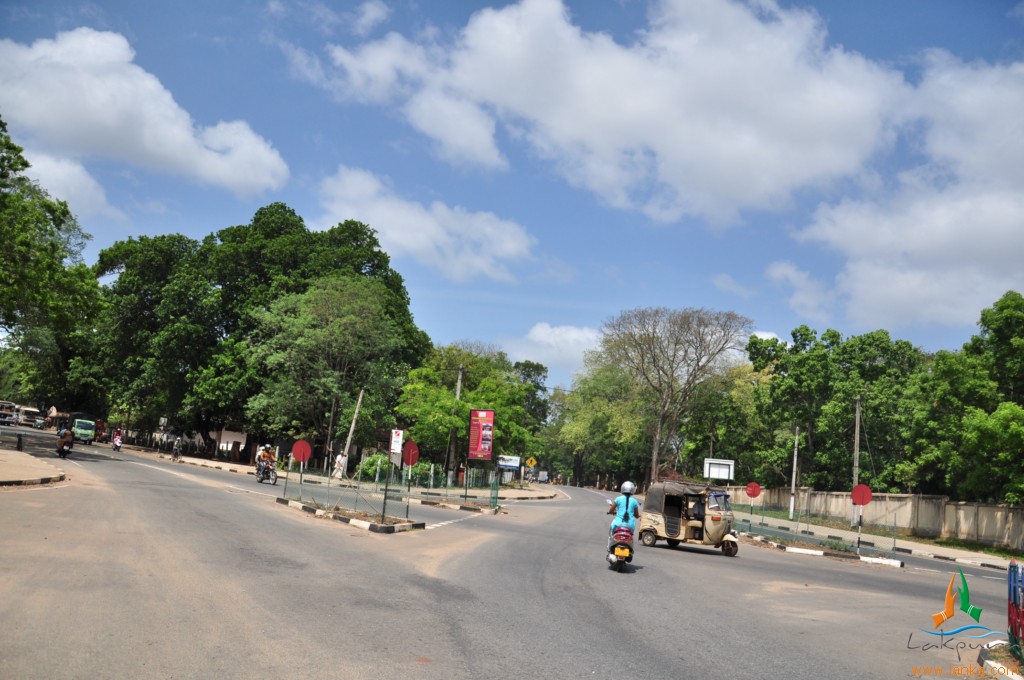
Situated roughly in the central part of the northern peninsula known as the Vanni, the district lies in Sri Lanka's dry climatic zone. The landscape combines low, flat terrain with scrub forest, seasonal tanks and pockets of irrigated paddy. Rainfall is modest and highly seasonal, which shapes local farming and water management practices.
Administration and subdivisions
As a second-level unit of government, Vavuniya District is administered under the country's system of administrative divisions. A District Secretariat headed by a District Secretary coordinates public services and government programmes. For local governance the district is further divided into urban and rural local authorities and smaller units such as divisional secretariats and Grama Niladhari (village officer) areas.
- District Secretariat (central administration)
- Divisional Secretariats (sub-district units)
- Local authorities: municipal, urban and rural councils
- Grama Niladhari divisions (village-level administration)
People, economy and transport
The population includes Tamil, Sinhalese and Muslim communities, and a mix of religious traditions such as Hinduism, Buddhism, Islam and Christianity. Agriculture—particularly paddy cultivation and small-scale farming—forms an important part of the local economy, supplemented by government services, trade and transport. Vavuniya town functions as a regional hub on the main north–south transport corridor, with major road and rail links connecting it to other parts of the country.
History and notable aspects
Vavuniya has been shaped in recent decades by national events and development policies. It has served as a gateway between the densely populated north and the central lowlands, and it played a strategic role during periods of internal conflict. Since the resumption of peacetime governance there has been emphasis on demining, resettlement, reconstruction and improving infrastructure. The district also contains local cultural sites and community festivals that reflect its multi-ethnic character.
For further administrative details and official resources, the district links and government pages provide authoritative information on services, maps and development plans.
Questions and answers
Q: What is Vavuniya District?
A: Vavuniya District is one of the 25 districts of Sri Lanka.
Q: What are districts in Sri Lanka?
A: Districts are the second-level administrative divisions of Sri Lanka.
Q: What is the capital of Vavuniya District?
A: The capital of Vavuniya District is the city of Vavuniya.
Q: What is the name of Vavuniya District in Tamil?
A: The name of Vavuniya District in Tamil is "Vavuṉiyā Māvaṭṭam".
Q: What is the name of Vavuniya District in Sinhala?
A: The name of Vavuniya District in Sinhala is "වවුනියා දිස්ත්රික්කය".
Q: How many districts does Sri Lanka have?
A: Sri Lanka has 25 districts.
Q: What is the purpose of administrative divisions in Sri Lanka?
A: The purpose of administrative divisions in Sri Lanka is to facilitate the administration of the country and to provide services to the people at the grassroots level.
Related articles
Author
AlegsaOnline.com Vavuniya District Leandro Alegsa
URL: https://en.alegsaonline.com/art/104416
Sources
- statistics.gov.lk : "Area of Sri Lanka by province and district"
- statistics.gov.lk : "A2 : Population by ethnic group according to districts, 2012"