
Vasculitis: causes, classification, symptoms, diagnosis and treatment
Vasculitis is inflammation of blood vessel walls that can damage organs. This article summarizes types, causes, clinical features, diagnostic approach, treatment principles and practical considerations.
Overview
Vasculitis (plural: vasculitides) is a group of disorders characterised by inflammation of the walls of blood vessels. The process may affect vessels of any size and in any organ, producing symptoms ranging from skin rashes to organ dysfunction. The term highlights the role of inflammation and its effects on the structure and function of blood vessels. In many forms the inflammatory response is driven by immune mechanisms and the migration of white blood cells such as leukocytes.
Image gallery
3 Images

Causes and mechanism
Causes include autoimmune processes, deposition of immune complexes, infections, adverse drug reactions and associations with malignancy. In several small‑vessel diseases, antibodies directed against neutrophil components (ANCA) are implicated. Regardless of trigger, destructive inflammation can injure the endothelium and media, promote clotting and produce downstream ischaemia.
Classification
Practical classification often groups vasculitides by the predominant size of affected vessels: large‑vessel disorders (for example giant cell arteritis, Takayasu arteritis) target major arteries; medium‑vessel diseases (such as polyarteritis nodosa, Kawasaki disease) involve medium arteries; and small‑vessel vasculitides (including ANCA‑associated vasculitis and IgA vasculitis) affect arterioles, capillaries and venules. Vein‑predominant inflammation is sometimes described separately as phlebitis, and some authorities discuss lymphatic vessel inflammation in related contexts, linking to concepts of veins and lymphatics.
Clinical features
Symptoms depend on vessel size and organ involvement. Cutaneous signs include palpable purpura, ulcers and livedo. Neurological features may include mononeuritis multiplex. Renal involvement ranges from mild urinary abnormalities to rapidly progressive glomerulonephritis. Pulmonary disease can present with cough, haemoptysis or infiltrates. Constitutional symptoms such as fever, weight loss and fatigue are common.
Diagnosis
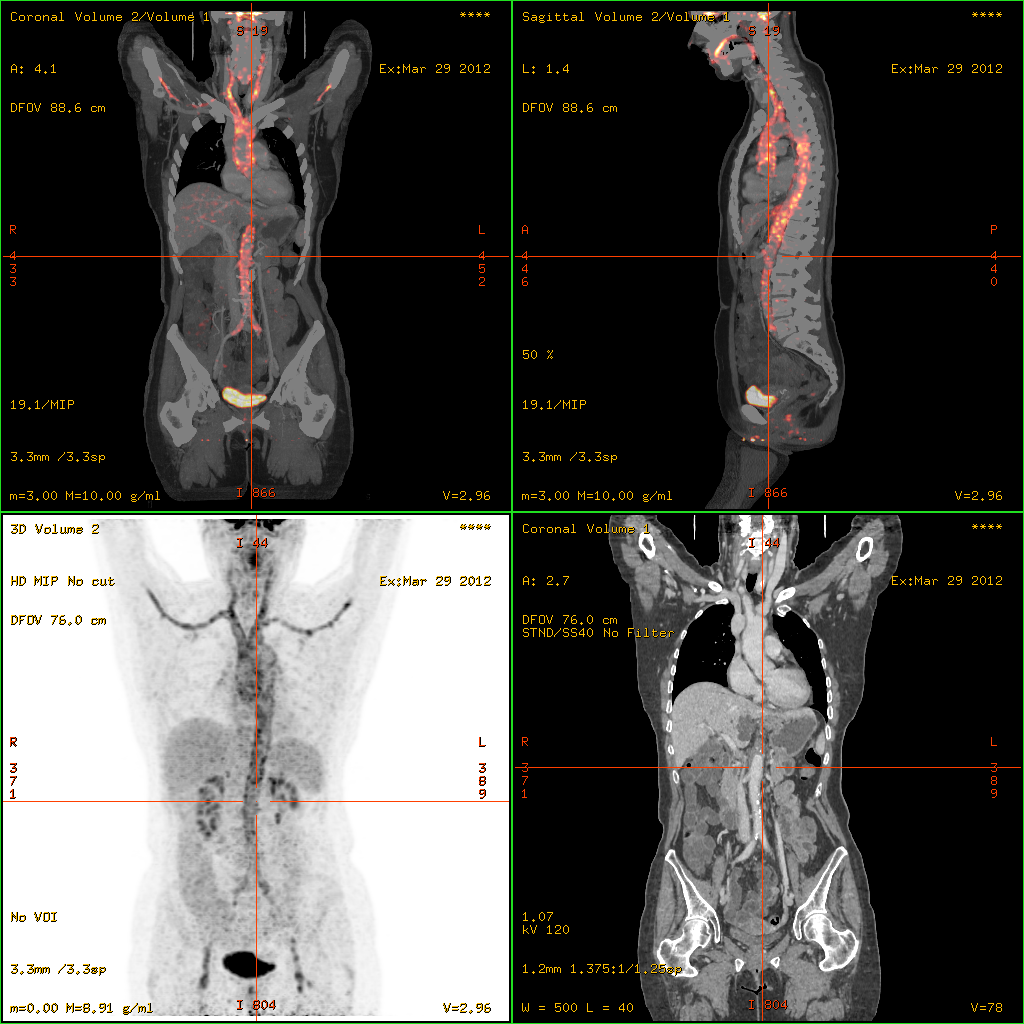
Diagnosis integrates clinical assessment, laboratory testing, imaging and often tissue biopsy. Laboratory tests assess inflammation (e.g. ESR, CRP), organ function and autoantibodies. Imaging modalities include angiography, Doppler ultrasound and PET for large‑vessel disease. Biopsy of an affected organ or skin frequently provides definitive evidence of vessel wall inflammation and helps subtype classification. Management is guided by specialist evaluation and may reference clinical resources at clinical sites.
Treatment and prognosis
Treatment aims to control inflammation, prevent vessel destruction and manage complications. High‑dose corticosteroids are commonly used to induce remission; adjunctive immunosuppressants (for example cyclophosphamide, azathioprine, methotrexate) or targeted biologic agents (such as rituximab) are used depending on disease type and severity. When infection or a drug trigger is identified, addressing the cause is essential. Prognosis varies widely by subtype and timeliness of treatment; untreated vasculitis can lead to permanent organ damage.
Complications and differential diagnosis
Potential complications include organ ischaemia, aneurysm formation, thrombosis and secondary infection. Differential diagnoses to consider include infectious vasculitis, cholesterol emboli, thrombotic microangiopathies, non‑inflammatory vascular disease and vasospasm; accurate distinction affects management.
Epidemiology, history and research
Vasculitides are generally uncommon and heterogeneous worldwide. Classification has evolved with advances in pathology and serology, and current research focuses on biomarkers, pathogenetic mechanisms and targeted therapies. Ongoing clinical trials and registries aim to refine treatment strategies and long‑term outcomes.
Practical points
- Suspect vasculitis in patients with multisystem disease and unexplained organ dysfunction.
- Early specialist referral (rheumatology, nephrology, pulmonology, vascular surgery) improves diagnostic accuracy and outcomes.
- Biopsy when feasible provides the most direct evidence, while imaging helps detect vessel involvement non‑invasively.
- Treatment balances controlling inflammation and minimising therapy‑related risks, including infection; vaccination and monitoring are important.
- Patient education and long‑term follow‑up are essential because relapses and chronic complications occur.
Related articles
Author
AlegsaOnline.com Vasculitis: causes, classification, symptoms, diagnosis and treatment Leandro Alegsa
URL: https://en.alegsaonline.com/art/104304
Sources
- merriam-webster.com : "Vasculitis - Definition from the Merriam-Webster Online Dictionary"
- dermnetnz.org : "Glossary of dermatopathological terms. DermNet NZ"