
V for Vendetta (2005) — film overview, themes, and production
2005 political thriller set in a dystopian UK. Overview of plot, characters, production, themes, cast, and cultural impact of the film adapted from Alan Moore's graphic novel.
Overview
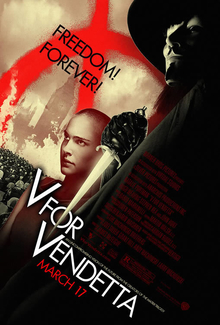
V for Vendetta is a 2005 political thriller set in an alternate, authoritarian London. The story follows a masked vigilante known as V and a young woman, Evey Hammond, as they challenge a repressive regime. The film adapts a celebrated graphic novel and blends action, drama and political allegory to explore freedom, identity and resistance. For more on the setting see London.
Image gallery
7 Images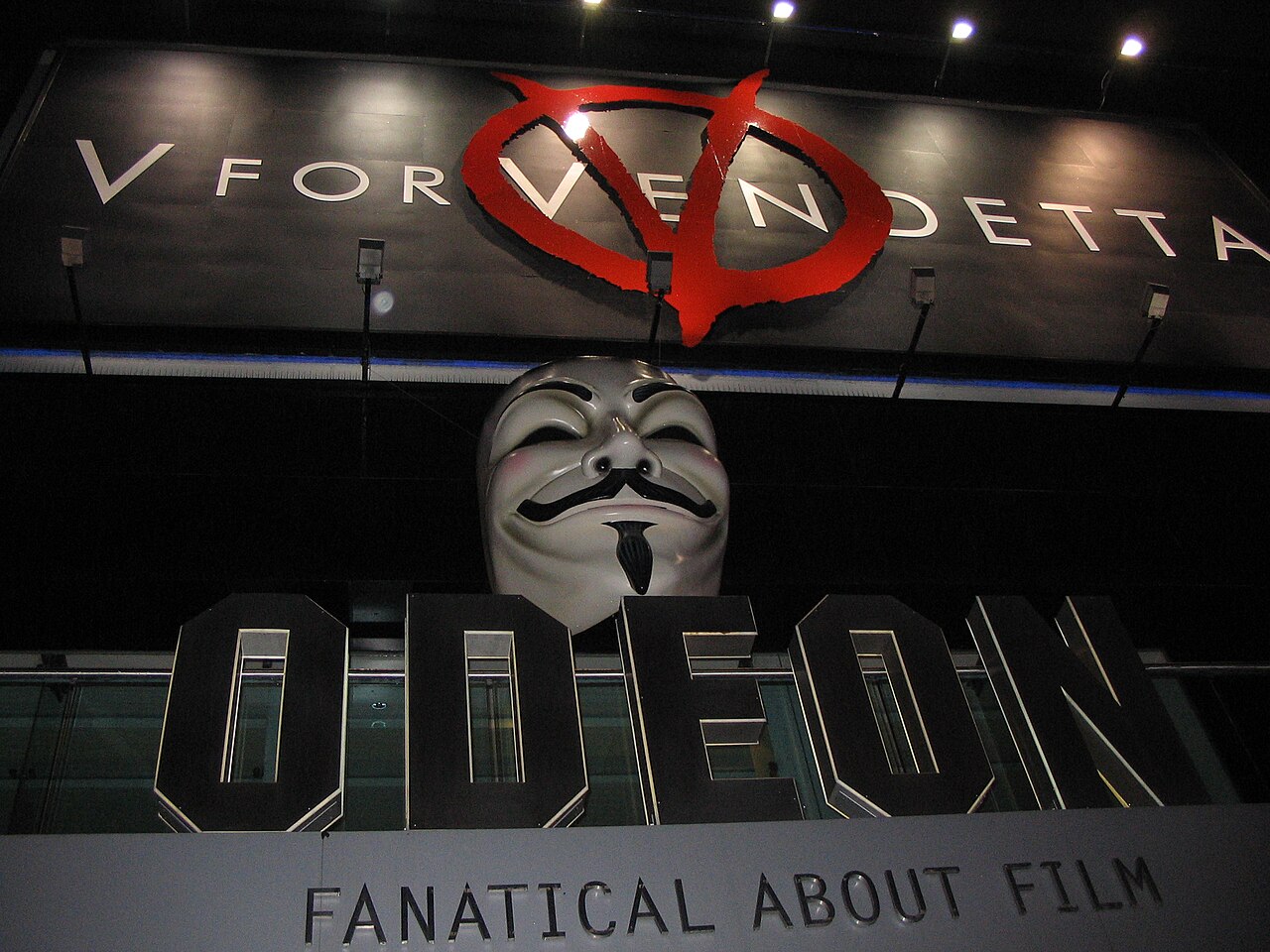

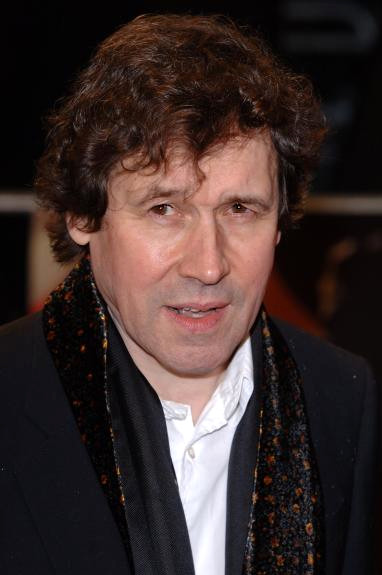


Plot and Setting
The narrative takes place in a near-future Britain transformed into a security-driven state. In this dystopian landscape the government imposes harsh control over speech and civil liberties, prompting an underground rebellion. The year in the film is presented as 2020, and the country is depicted as the United Kingdom under a totalitarian system. The story focuses on how personal trauma, political ideology and theatrical symbolism intersect.
Production and Adaptation
The screenplay was written by the Wachowski siblings and the film was directed by James McTeigue; credits and production notes are often discussed in relation to the original creator, Alan Moore, and his graphic work. The adaptation process adjusted plot elements and tone to suit a broad cinematic audience; the comic book source is available as the graphic novel V for Vendetta, sometimes referenced simply as V for Vendetta. For production credits see the screenplay mention at Wachowski and the director profile at James McTeigue.
Cast and Performances
- Hugo Weaving plays the masked protagonist, often credited simply as V.
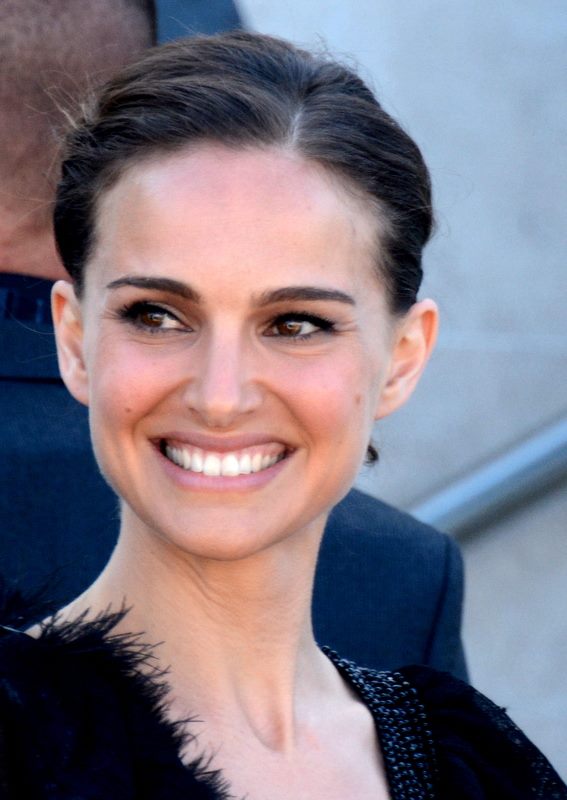
- Natalie Portman portrays Evey Hammond, whose arc moves from fear to agency.
Performances emphasize the contrast between spectacle and intimate character moments; the masked lead relies on voice and physicality rather than facial expression.
Themes, Reception and Legacy
The film examines state power, propaganda, personal liberty and the ethics of violent resistance. Critics and audiences debated its political message and faithfulness to the original comic; the original author chose limited association with the production. Over time the film has entered popular culture as a reference point for discussions about civil disobedience and symbolic protest, and the Guy Fawkes mask in particular has become an emblem beyond the screen.
For additional reading and context see archival and analysis resources at dystopian studies and related commentary about the film's setting. Production details and interviews can be found via studio and press material, such as cast pages actor profiles and director notes here.
Questions and answers
Q: When was V for Vendetta released?
A: V for Vendetta was released in 2005.
Q: Who are the main actors in the movie?
A: The main actors in the movie are Hugo Weaving, who plays the character V, and Natalie Portman, who plays Evey Hammond.
Q: Who wrote V for Vendetta and who directed it?
A: V for Vendetta was written by the Wachowski brothers and directed by James McTeigue.
Q: What is V for Vendetta based on?
A: V for Vendetta is based on Alan Moore's graphic novel of the same name.
Q: Did Alan Moore like the movie adaptation of his work?
A: No, Moore did not like most movies about his work, including V for Vendetta. He asked that his name not appear on it.
Q: When is the movie set?
A: The movie is set in a dystopian future United Kingdom of the year 2020, which has become a totalitarian fascist dictatorship.
Q: What kind of movie is V for Vendetta?
A: V for Vendetta is a drama movie.
Related articles
Author
AlegsaOnline.com V for Vendetta (2005) — film overview, themes, and production Leandro Alegsa
URL: https://en.alegsaonline.com/art/103803
Sources
- boxofficemojo.com : "V for Vendetta (2006)"