
The Ventriloquist (Arnold Wesker) — Batman villain who uses Scarface
Arnold Wesker, known as the Ventriloquist, is a Gotham City criminal who commits crimes through a gangster puppet named Scarface. A recurring Batman antagonist exploring identity and dissociation.
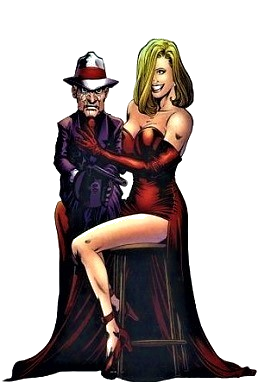
The Ventriloquist is the criminal alias of Arnold Wesker, a recurring antagonist in stories set in Gotham City and adversary to Batman. The defining trait of the character is his dependence on a small, scarred ventriloquist puppet called Scarface, who speaks with a gruff mobster voice and acts as the public face of criminal enterprises. While Scarface appears to command and intimidate, the interplay between puppet and puppeteer is used to explore themes of fractured identity and manipulation.
Image gallery
5 Images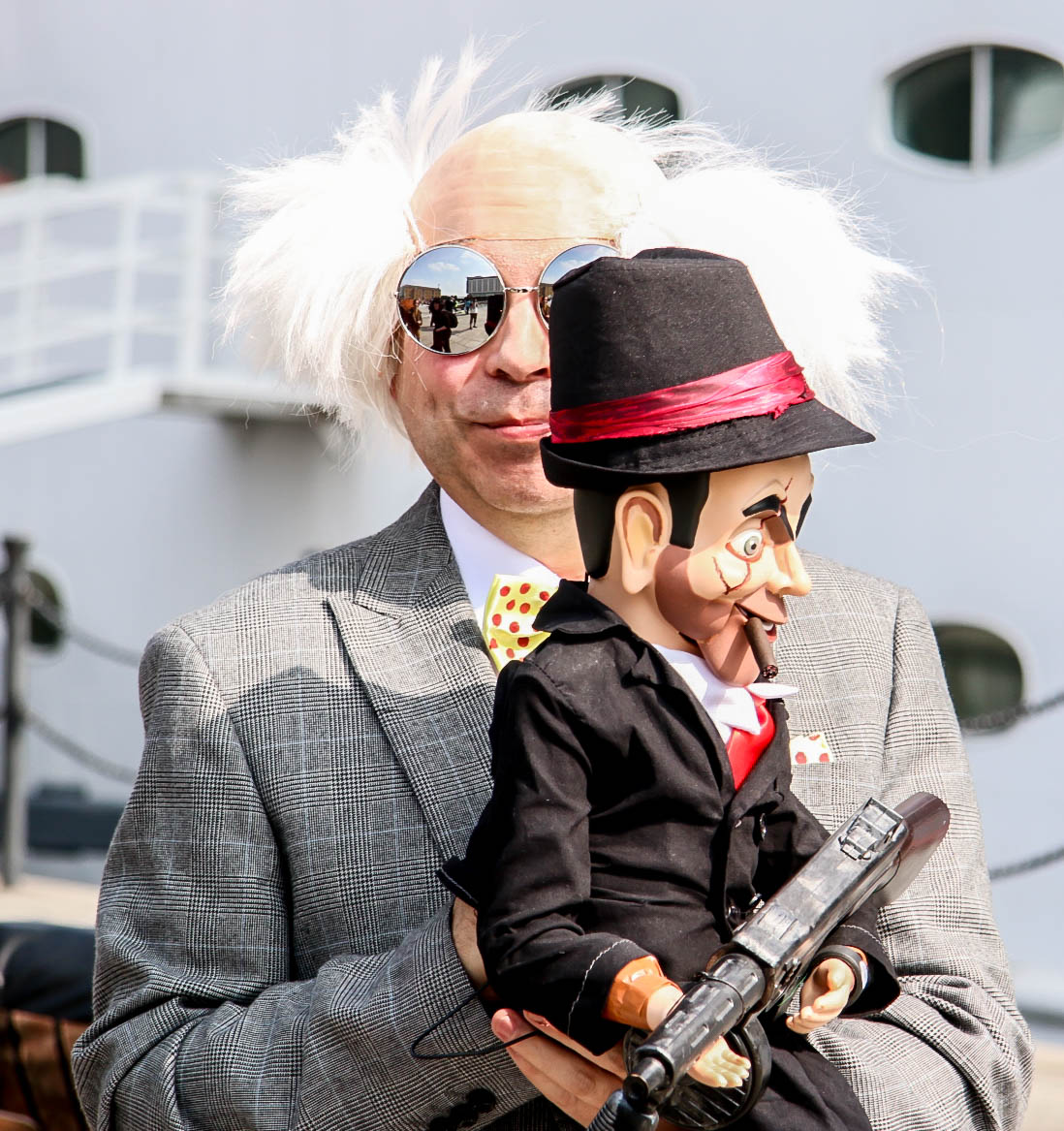



Characteristics
Arnold Wesker is typically portrayed as mild-mannered and socially withdrawn when he is himself, but the personality associated with Scarface is bold, ruthless and domineering. The puppet functions as both a tool of intimidation and a psychological device: in many stories Wesker exhibits signs of dissociative identity disorder or extreme suggestion, allowing Scarface to direct violent acts while Wesker retreats into passivity. The Ventriloquist is not usually a physical threat like other supervillains; his danger stems from cunning, organized crime links, and the way Scarface manipulates both Wesker and others.
Publication and origin
- The Ventriloquist originated as a supporting antagonist in Gotham-based comics and became a recurring fixture among Batman's rogues gallery.
- Writers and artists have used the character to examine the psychology of crime, the influence of trauma, and the idea of a criminal persona embodied in an inanimate object.
Role in stories and adaptations
In narrative terms the Ventriloquist often serves as a bridge between organized crime plots and more personal, psychological tales. Many storylines show him working with or for criminal organizations, using Scarface as a front to command henchmen, threaten rivals and orchestrate heists. The contrast between the puppet’s bluster and Wesker’s meekness provides dramatic tension and tragic elements: Wesker is frequently portrayed as a victim of his own disorder or of others who exploit him.
The character has appeared beyond comics, most notably in animated adaptations where voice actors gave Scarface a distinct gangster tone. One well-known portrayal of the Ventriloquist appeared in an animated Batman series, where the role was voiced by George Dzundza, bringing the dynamic between man and puppet to a broader audience.
Notable facts and distinctions
The Ventriloquist is distinguished from other Gotham villains by the centrality of psychological conflict rather than superhuman powers. Stories about him often focus on therapy, brainwashing, or criminal exploitation rather than on grandiose schemes. Different creative teams have varied in how literal or symbolic they treat Scarface: some present the puppet as purely inanimate, others hint that it has an almost supernatural hold over Wesker. For general readers, the character remains memorable as an exploration of identity, control and the thin line between performer and personality.
For further context within the Batman universe and publication history, see entries on DC Comics and related Gotham City characters.
Related articles
Author
AlegsaOnline.com The Ventriloquist (Arnold Wesker) — Batman villain who uses Scarface Leandro Alegsa
URL: https://en.alegsaonline.com/art/104592