
Alan Moore
Alan Moore (born 1953) is an English writer best known for groundbreaking graphic novels such as Watchmen, V for Vendetta and From Hell; influential for reshaping modern comics and narrative form.
Overview
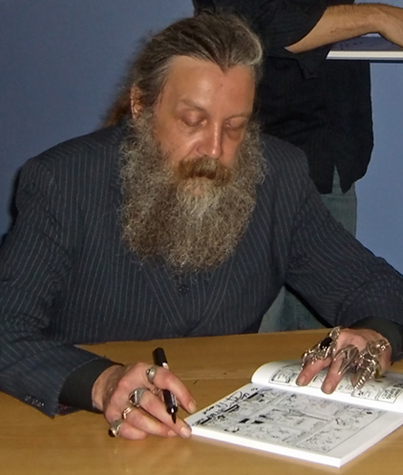
Alan Moore (born 18 November 1953 in Northampton) is an English writer widely regarded as one of the most important figures in contemporary comics. His work in the 1980s and 1990s helped change perceptions of the medium, treating sequential art as a vehicle for complex, adult storytelling that engages history, politics and philosophy.
Image gallery
10 Images




Career and major works
Moore first gained attention in the British comics scene and later produced a series of high-profile graphic novels in collaboration with notable artists. His best-known books include Watchmen, a deconstruction of superhero myths; V for Vendetta, a political thriller about resistance and identity; and From Hell, a sprawling investigation of the Jack the Ripper murders. He also created influential titles such as The Killing Joke, The League of Extraordinary Gentlemen and Promethea.
Style and themes
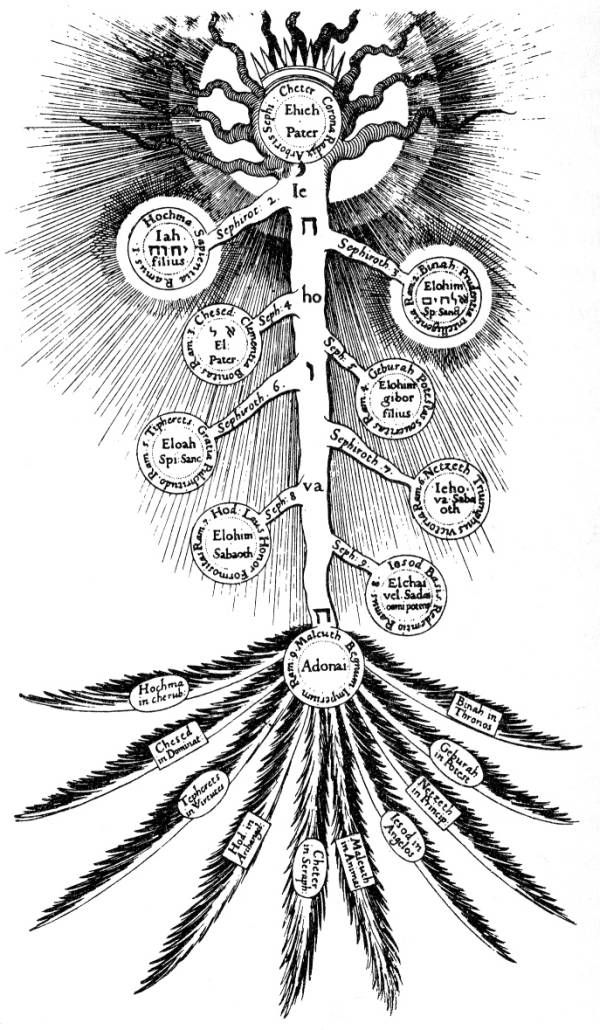
Moore's writing is marked by dense plotting, layered symbolism and frequent use of metafiction. He often blends historical research with speculative ideas, exploring authority, personal freedom, memory and the nature of myth. Occult and esoteric subjects appear throughout his work, reflecting interests beyond mainstream politics or genre conventions.
Influence and adaptations
His stories are credited with helping to elevate comics into a form taken seriously by critics and scholars. Several of his works have been adapted for film and television; Moore has been famously critical of many adaptations and has sometimes distanced himself from them. Regardless, these adaptations widened the audience for his original books and influenced creators across media.
Collaborations and later activity
Moore has partnered with artists including Dave Gibbons, Brian Bolland, Eddie Campbell, Kevin O'Neill and J. H. Williams III. He later published long-form prose such as the novel Jerusalem and continued to produce comics and essays. Throughout his career he has spoken about creators' rights and the artistic possibilities of the comics form.
Legacy and distinctions
Alan Moore is often described as a transformative figure who expanded what comic narratives could accomplish. His combination of literary ambition, formal experimentation and political engagement makes him a frequent subject of study and a reference point for writers seeking to push the boundaries of graphic storytelling.
Questions and answers
Q: Who is Alan Moore?
A: Alan Moore is an English writer born on November 18, 1953 in Northampton.
Q: What is Alan Moore famous for?
A: Alan Moore is most famous for his influential work in comics.
Q: What are some of Alan Moore's acclaimed graphic novels?
A: Some of Alan Moore's acclaimed graphic novels are Watchmen, V for Vendetta, and From Hell.
Q: In what field did Alan Moore make his mark?
A: Alan Moore made his mark in the field of comics.
Q: What nationality is Alan Moore?
A: Alan Moore is English.
Q: When was Alan Moore born?
A: Alan Moore was born on November 18, 1953.
Q: Where was Alan Moore born?
A: Alan Moore was born in Northampton.
Related articles
Author
AlegsaOnline.com Alan Moore Leandro Alegsa
URL: https://en.alegsaonline.com/art/113500
Sources
- enjolrasworld.com : "Alan Moore tml Interview - Alan Moore
- bbc.co.uk : BBC - Movies
- dpsinfo.com : "Hugo Award Winners from the 1980s"
- time.com : "Time Magazine's All-Time 100 Novels"