
Uzeyir Hajibeyov — Azerbaijani composer and founder of national opera
Biography and legacy of Uzeyir Hajibeyov, the Azerbaijani composer who fused mugham with Western forms, wrote the first national opera and the music used for Azerbaijan's anthem.
Overview
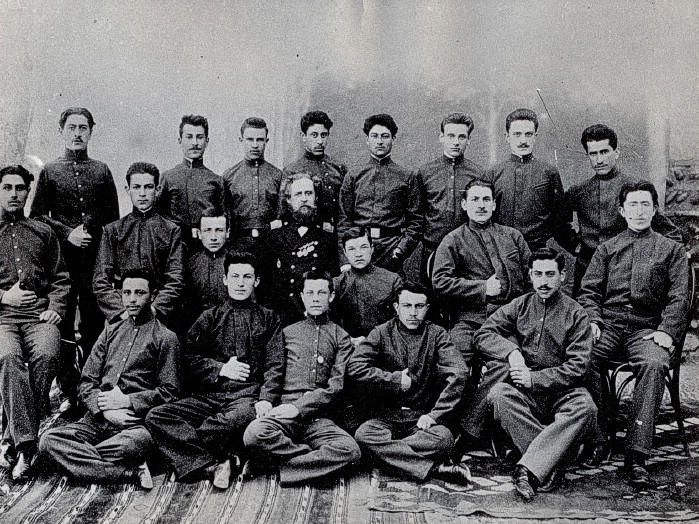
Uzeyir bey Hajibeyov (September 18, 1885–November 23, 1948) was a leading Azerbaijani composer, conductor, playwright, teacher and public figure. He is widely regarded as the founder of Azerbaijani professional classical music and opera. Hajibeyov worked across genres—opera, operetta, choral works, incidental theatre music and songs—and played a central role in shaping musical life in Azerbaijan in the first half of the 20th century. Azerbaijani and Russian language sources both record his influence, and modern scholarship often situates him within broader Baku-centered cultural developments of the Caucasus.
Image gallery
10 Images


Musical style and major works
Hajibeyov is best known for blending traditional Azerbaijani mugham modes with Western harmonic and orchestral techniques. This synthesis produced works that preserved local modal qualities while adapting them to staged Western forms. His landmark opera Leyli and Majnun (1908) is frequently cited as the first Azerbaijani opera and an early example of a Muslim-majority nation's operatic tradition. Other notable stage works include the operettas Arshin Mal Alan and O olmasın, bu olsun, and the epic opera Koroghlu. His output also included choral and patriotic pieces, and he composed the music later used as the national anthem of Azerbaijan; the same melody served in the Soviet-era anthem for the Azerbaijan SSR. For contemporary reference see composer biographies and theatrical histories (conductor and publicist notes).
Career, institutions and teaching
Beyond composition, Hajibeyov was active as an educator and cultural organizer. He helped establish formal music instruction and institutions that trained the next generation of Azerbaijani musicians and conductors. He wrote articles and translations to introduce Western musical ideas to local readers and contributed libretti, theatrical texts and adaptations that bridged folk traditions and modern performance. Accounts of his life emphasize his roles as a playwright, teacher and translator who operated at the intersection of art and public life.
Historical context and legacy
Hajibeyov worked during a period of rapid social and political change—late imperial, revolutionary and Soviet eras—and his career reflects that shifting environment. He received official recognition in his lifetime and his works became part of public and cultural rituals. Today his music remains central to Azerbaijan's cultural identity: his operas and operettas are regularly performed, recordings circulate widely, and museums and institutions commemorate his life and work. Scholars note his pivotal role in transforming vernacular forms into a concert and stage repertoire while maintaining a strong national character (classical music, opera studies).
Selected works and notable facts
- Operas: Leyli and Majnun, Koroghlu — seminal national works.
- Operettas: Arshin Mal Alan, O olmasın, bu olsun — widely performed and adapted into films and translations.
- Anthem: composed the melody used for Azerbaijan's national anthem and for the anthem of the Azerbaijan SSR.
- Cultural roles: conductor, educator and organizer of musical life in Baku and across Azerbaijan (national and Soviet contexts).
Hajibeyov's work is often studied as an example of creative synthesis between local musical language and imported European forms. His legacy endures in performance, scholarship and national memory, and his compositions remain standard repertoire for musicians and theaters in Azerbaijan and beyond.
Related articles
Author
AlegsaOnline.com Uzeyir Hajibeyov — Azerbaijani composer and founder of national opera Leandro Alegsa
URL: https://en.alegsaonline.com/art/103792
Sources
- azerbaijan.az : THE NATIONAL ANTHEM