
Uxmal: Major Maya city of the Puuc region in Yucatán
Uxmal is a pre-Columbian Maya city in Yucatán, Mexico, noted for its Puuc-style architecture, monumental complexes such as the Pyramid of the Magician and Nunnery Quadrangle, and its medieval-era prominence.
Overview
Uxmal is one of the most important archaeological sites of the ancient Maya world. Situated in what is now the Mexican state of Yucatán, the ruins lie within the modern country of Mexico. The city grew into a regional capital in the first millennium AD and contained a dense core of ceremonial and administrative buildings. Estimates based on excavations and surveys suggest a pre-Hispanic population on the order of tens of thousands at its height; some scholars cite figures near 25,000 inhabitants during the Late Classic to Terminal Classic periods.
Image gallery
10 Images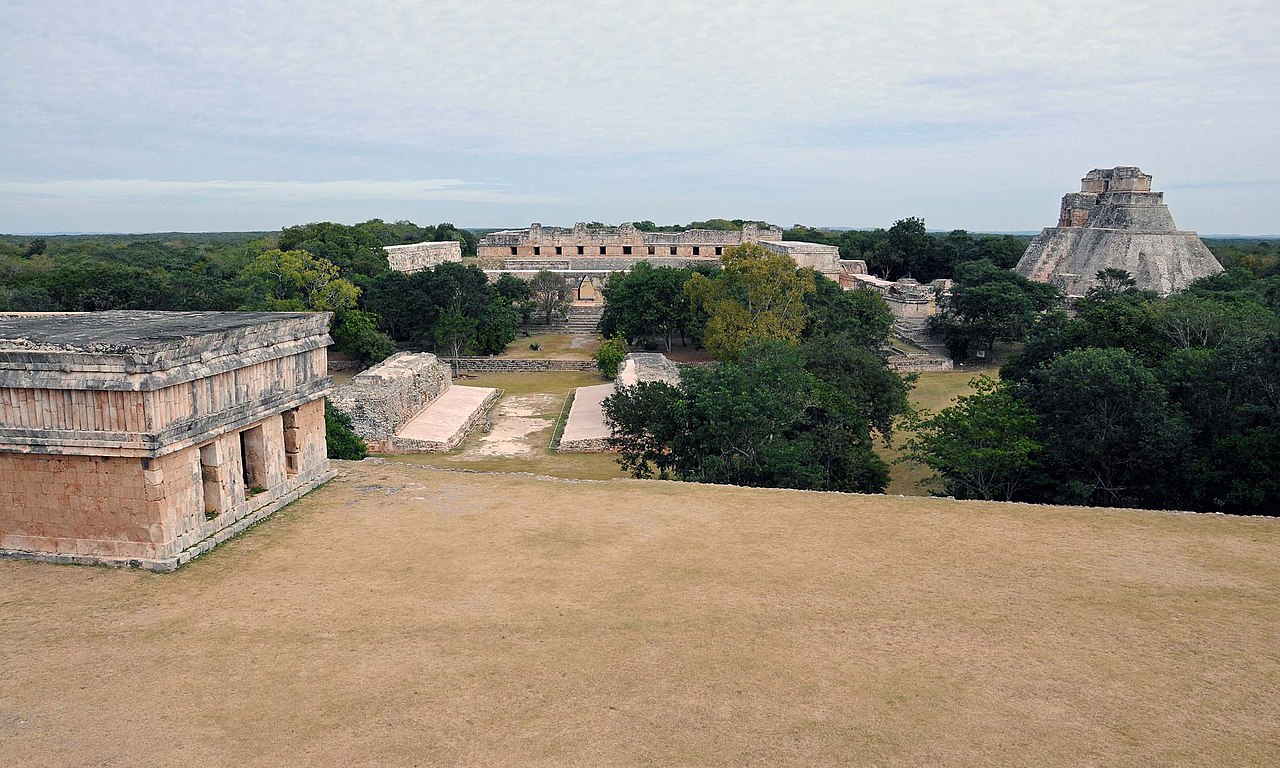


Architecture and principal monuments
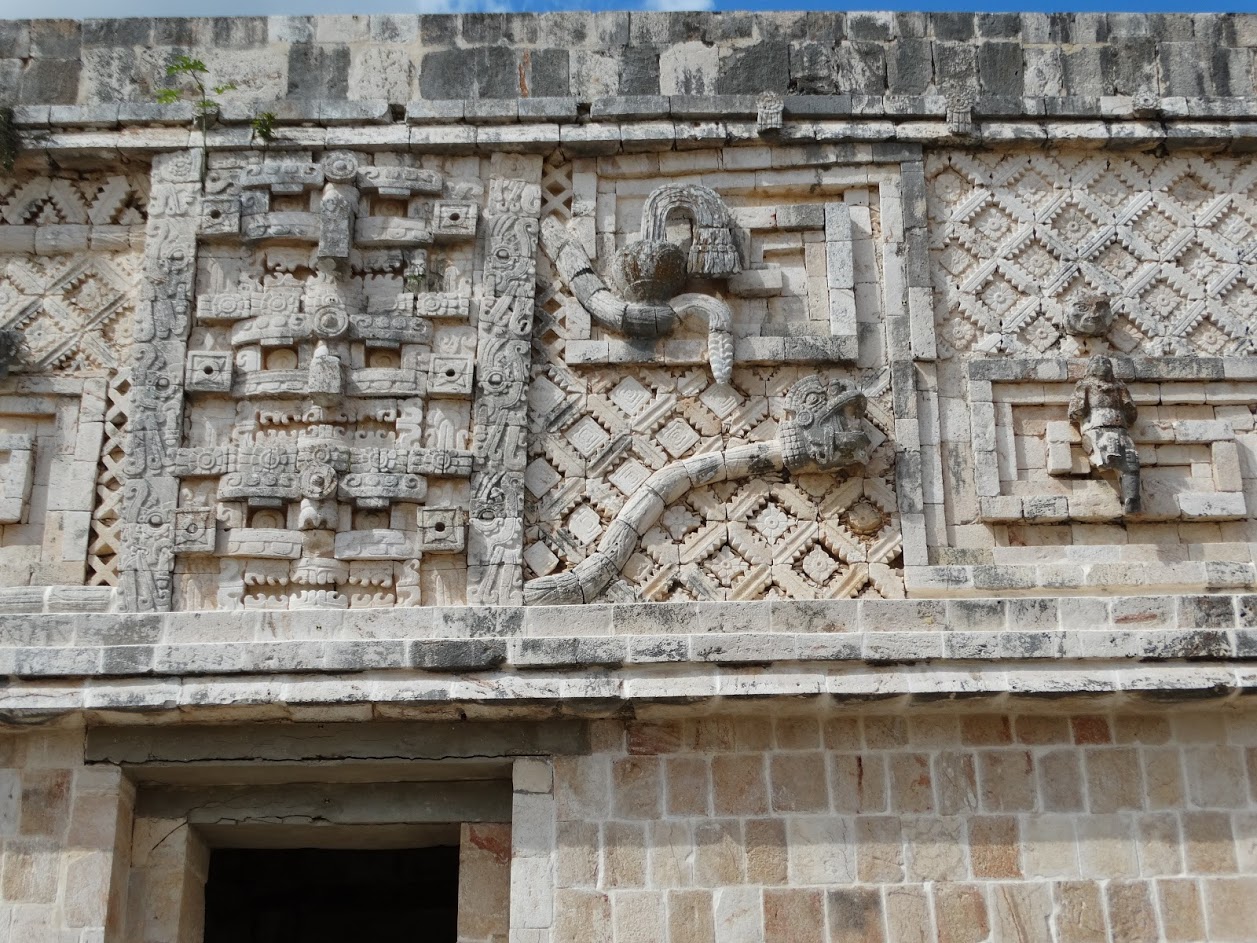
Uxmal is best known for its refined stone masonry and the Puuc architectural style, characterized by plain lower façades and richly decorated upper panels of stone mosaic. Common sculptural themes include geometric patterns and representations of the rain deity Chaac, whose long-nosed masks appear frequently.
- Pyramid of the Magician — an unusual rounded pyramid that dominates the site and rises in several distinct construction phases.
- Nunnery Quadrangle — a large rectangular courtyard surrounded by highly ornamented structures, often interpreted as an administrative or elite residential complex.
- Governor's Palace — an elongated, finely decorated building noted for its elaborate frieze and platform setting.
- Smaller plazas, ballcourts, and residential groups that formed the urban fabric of the city.
History and development
Archaeological evidence indicates that Uxmal was first settled early in the first millennium AD, with intensive construction between about 700 and 1100 AD. This period produced most of the monumental stonework visible today. After roughly 1200 AD new large-scale building appears to decline, and power centers in the region shifted. Spanish colonial documents mention Uxmal in the 16th century, suggesting lingering significance or occupation into the early colonial era; references to the city in those records provide one reason scholars believe it was not immediately abandoned after contact. The site eventually fell from political prominence and was largely deserted as a living city.
Archaeology, preservation and significance
Systematic archaeological investigation and restoration began in the 19th and 20th centuries, leading to the conservation of key monuments and the presentation of Uxmal to the public. The site has been the focus of research into Puuc architecture, urban layouts, water management, and iconography. Today Uxmal is a protected heritage site and a destination for visitors interested in Maya history and pre-Columbian art; it is listed among internationally recognized cultural sites for its exceptional architecture. For further background on the ruins and visitor information see site resources and regional summaries such as historical accounts. More general context on the region can be found through additional overviews and studies referenced by local authorities and by Mexican institutions.
Notable features and distinctions
- Uxmal exemplifies the Puuc style within Maya architecture and stands out for its decorative stone mosaics.
- Its monumental core differs from some other Maya cities by the scale and intricacy of façade ornament.
- Continued scholarly work seeks to refine chronology, population estimates and the role of Uxmal within wider Maya political networks.
Related articles
Author
AlegsaOnline.com Uxmal: Major Maya city of the Puuc region in Yucatán Leandro Alegsa
URL: https://en.alegsaonline.com/art/103771