
Vietnam Veterans Memorial
A national memorial in Washington, D.C., honoring U.S. service members who died or went missing in the Vietnam War; noted for its black granite walls, inscribed names, and reflective design.
Overview
The Vietnam Veterans Memorial is a national monument in Washington, D.C., dedicated to members of the U.S. armed forces who died in or were listed as missing from the Vietnam War. Commonly called the Wall, it is known for its minimalist, contemplative design and for listing the names of those who lost their lives, making personal loss the central focus of the site. Visitors come for remembrance, research and quiet reflection.
Image gallery
10 Images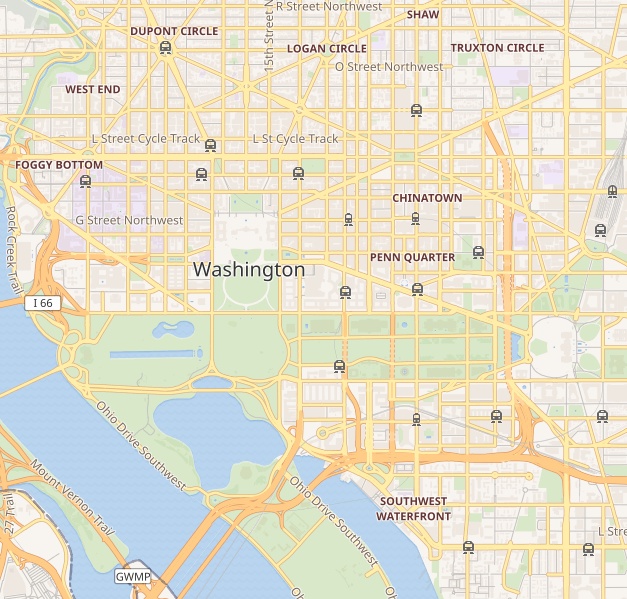


Design and materials
The memorial consists primarily of two black granite walls set into the earth and arranged so they descend and meet at an angle, forming a V-shaped embrace. The polished stone reflects the faces of visitors and the surrounding landscape, a deliberate effect meant to connect the living with the inscribed names. The surface bears thousands of names, each cut into the stone in a precise, uniform typeface.
Names, order and inscriptions
The names on the memorial are arranged chronologically by casualty date rather than alphabetically, so visitors can find individuals according to when they were lost. The list has been updated to add names discovered or verified after the memorial's initial dedication. Many visitors make rubbings of names or leave mementos at the base, practices that have become an informal part of the site's use.
History and reception
The memorial design was selected through a public competition and drew strong public attention when it was built. Its unconventional appearance and stark approach provoked debate about how societies should remember war. Additional elements nearby — such as a figurative sculpture and flagpole placed later — reflect compromises and additions made after the original design was unveiled. Information on the design process and key contributors can be found via resources like official descriptions and accounts of the design competition.
Significance and uses
The Wall functions as a site for personal mourning, public ceremonies, and historical education. It has become an established ritual place for veterans, families and school groups. The memorial's form and the practice of visiting to locate and honor individual names have influenced how later memorials approach remembrance. Museums, archives and veteran organizations provide complementary context and records for those researching names or events listed on the stone; see research guides and visitor information.
Visiting and preservation
Preserving the carved names and the polished surface requires ongoing conservation efforts. Rules for behavior, access hours and guidelines for leaving tributes are managed to protect the monument while allowing public engagement. For practical details, educational programs and volunteer opportunities consult resources such as historic site pages, interpretive centers and veteran groups linked at related portals or visitor services.
Related articles
Author
AlegsaOnline.com Vietnam Veterans Memorial Leandro Alegsa
URL: https://en.alegsaonline.com/art/105090
Sources
- nrhp.focus.nps.gov : "National Register Information System"