
Urashima Tarō: The Japanese fisherman's tale of the Dragon Palace
Urashima Tarō is a Japanese fairy tale about a fisherman who rescues a turtle and is invited to the undersea Dragon Palace. The story exists in many variants and symbolizes time, reward, and loss.
Overview
Urashima Tarō is a well-known Japanese fairy tale that follows a fisherman who helps a turtle and is taken to the legendary undersea court called Ryūgū-jō. The narrative survives in many versions and is often taught to children, but it also appears in literature, theater, and visual art.
Image gallery
10 Images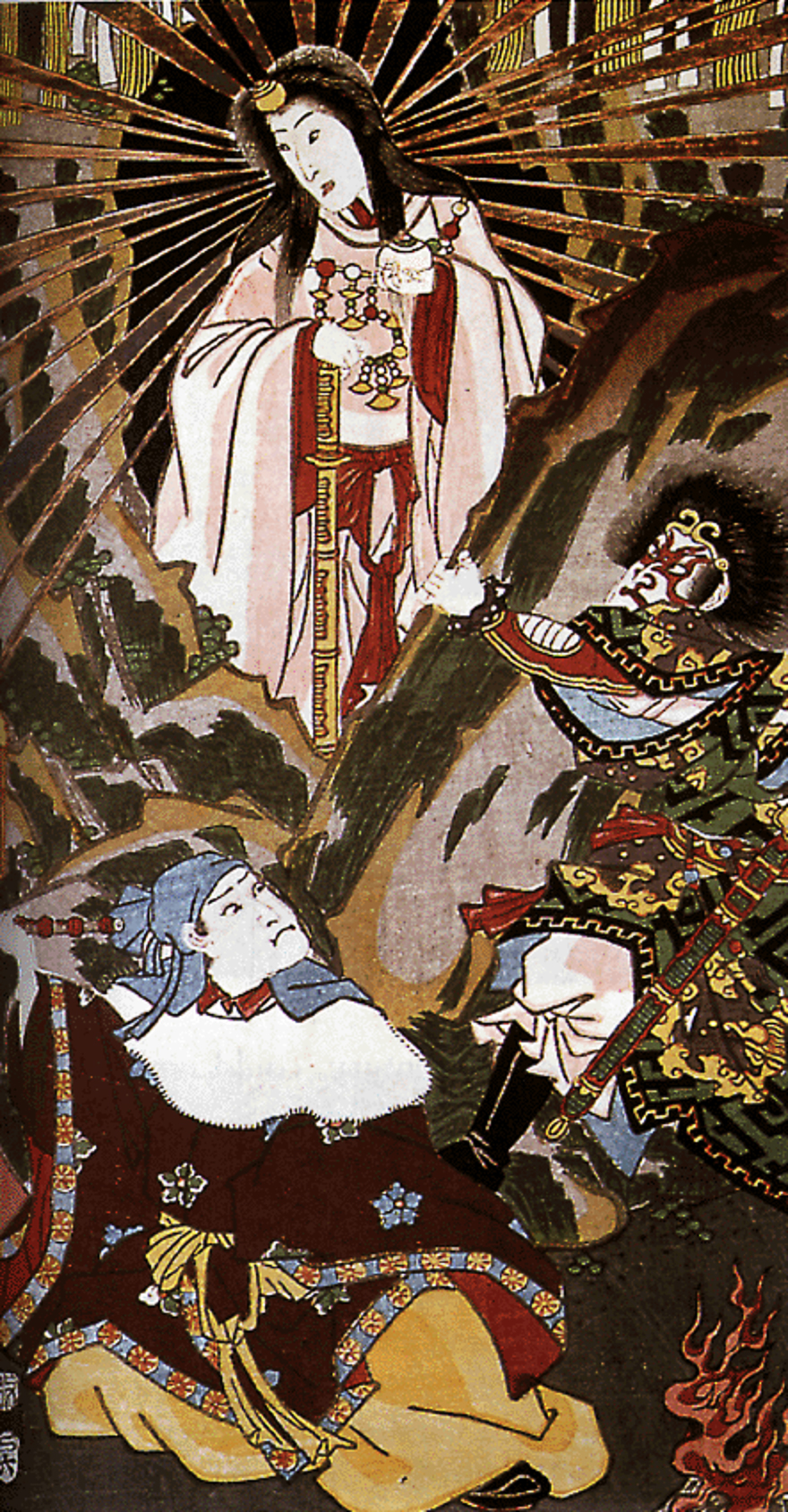


Plot summary
Most retellings share a basic sequence: a fisherman rescues or returns a turtle to the sea. As a reward he is invited to the Dragon Palace, a splendid underwater realm where time appears altered and pleasures are offered. After enjoying hospitality, he receives a box or casket—commonly known as a tamatebako—with the instruction not to open it. Returning home, he finds that years or centuries have passed and that everything he knew is gone. When curiosity or grief leads him to open the box, calamity follows: in many versions he ages rapidly, disappears, or vanishes into spirit form.
Origins and variants
The tale exists in multiple forms recorded in medieval and early modern Japanese collections and later popularized in Edo-period storytelling and picture books. Some variants emphasize moral lessons about obedience and restraint; others stress the mystery of time and the supernatural. Elements such as whether the visitor is male or female, the nature of the reward, and the ending differ between regional tellings and artistic adaptations.
Themes and motifs
- Time displacement: a central motif where brief experiences in a supernatural realm correspond to long absences in the mortal world.
- Reward and consequence: kindness to animals leading to reward, balanced by a taboo that, when broken, brings loss.
- Objects as fate: the tamatebako functions like curiosity boxes in other traditions, symbolizing hidden knowledge or irreversible choice.
Cultural influence and adaptations
Urashima Tarō has inspired picture books, Noh and kabuki treatments, modern novels, animated films, and musical compositions. Artists have used the story to explore impermanence (mujō), nostalgia, and the clash between past and present. The tale is often invoked in comparative folklore studies alongside other long-sleep or otherworld-visit stories from different cultures.
Notable distinctions
Unlike some folktales that deliver straightforward moral instruction, Urashima Tarō resists a single interpretation: it can be read as a moral about heeding warnings, a meditation on the sorrow of change, or a supernatural fable about the costs of crossing boundaries. Its resilience in Japanese culture lies in this ambiguity and the evocative image of the Dragon Palace and the fateful box.
Related articles
Author
AlegsaOnline.com Urashima Tarō: The Japanese fisherman's tale of the Dragon Palace Leandro Alegsa
URL: https://en.alegsaonline.com/art/103548