
Ryūgū-jō (Ryugu-jo)
Ryūgū-jō is the legendary undersea palace of the sea-dragon god Ryūjin in Japanese mythology, best known from the Urashima Tarō story; depicted as coral or crystal with timeless, seasonal halls.
Overview
Ryūgū-jō is a mythical palace that, in traditional Japanese mythology, serves as the residence of the sea god Ryūjin. Commonly translated as "dragon palace," the name evokes an underwater court ruled by a powerful aquatic deity. Accounts present the palace as otherworldly: distant yet intimately tied to human folklore and moral tales.
Image gallery
8 Images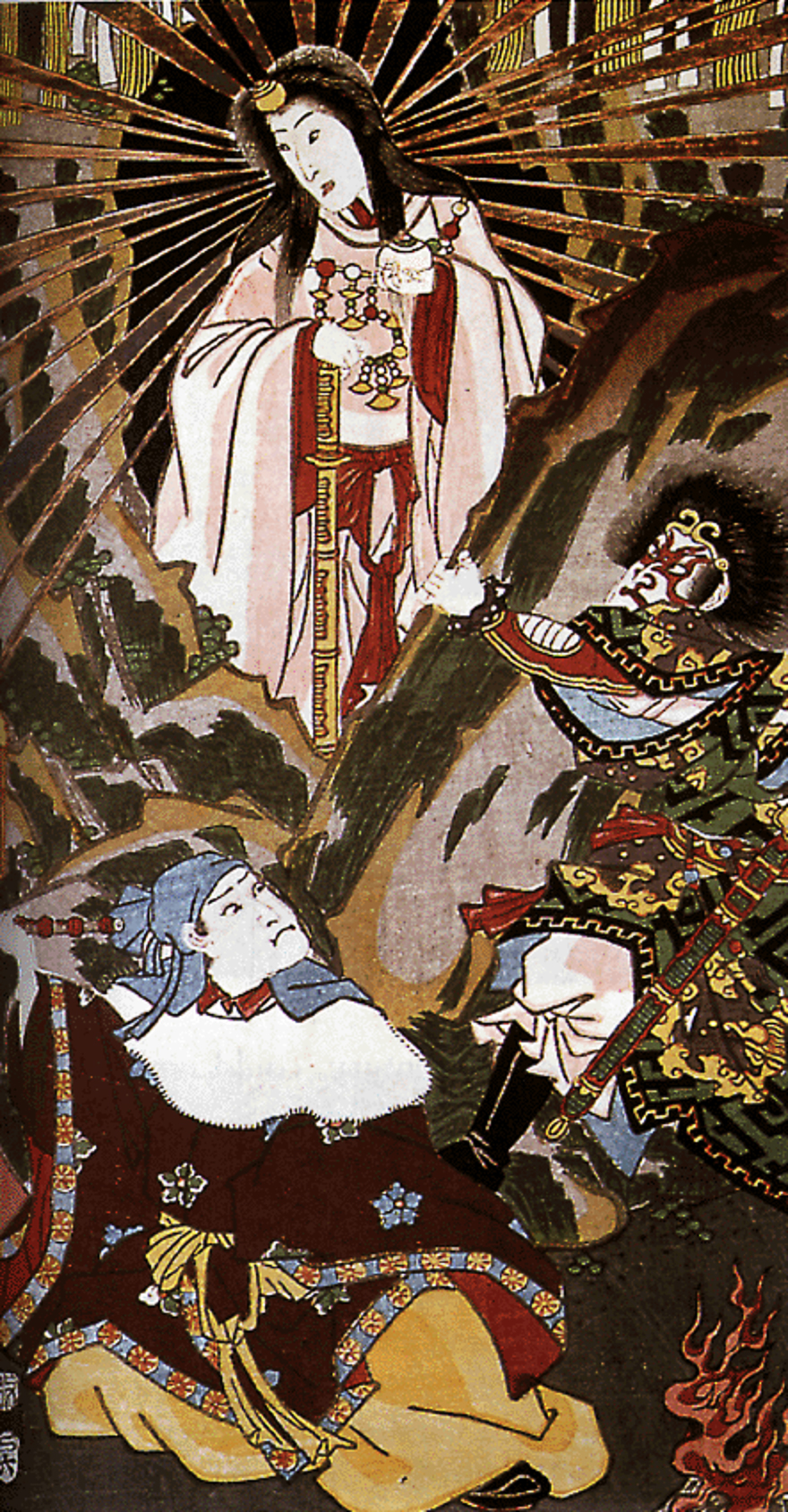


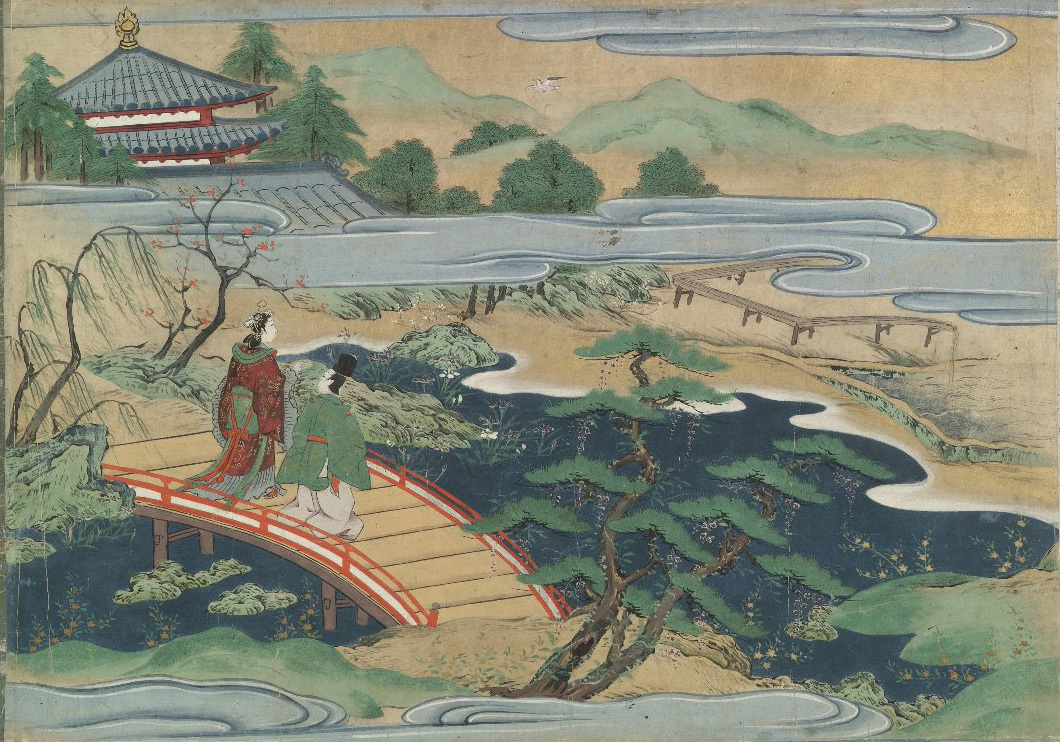


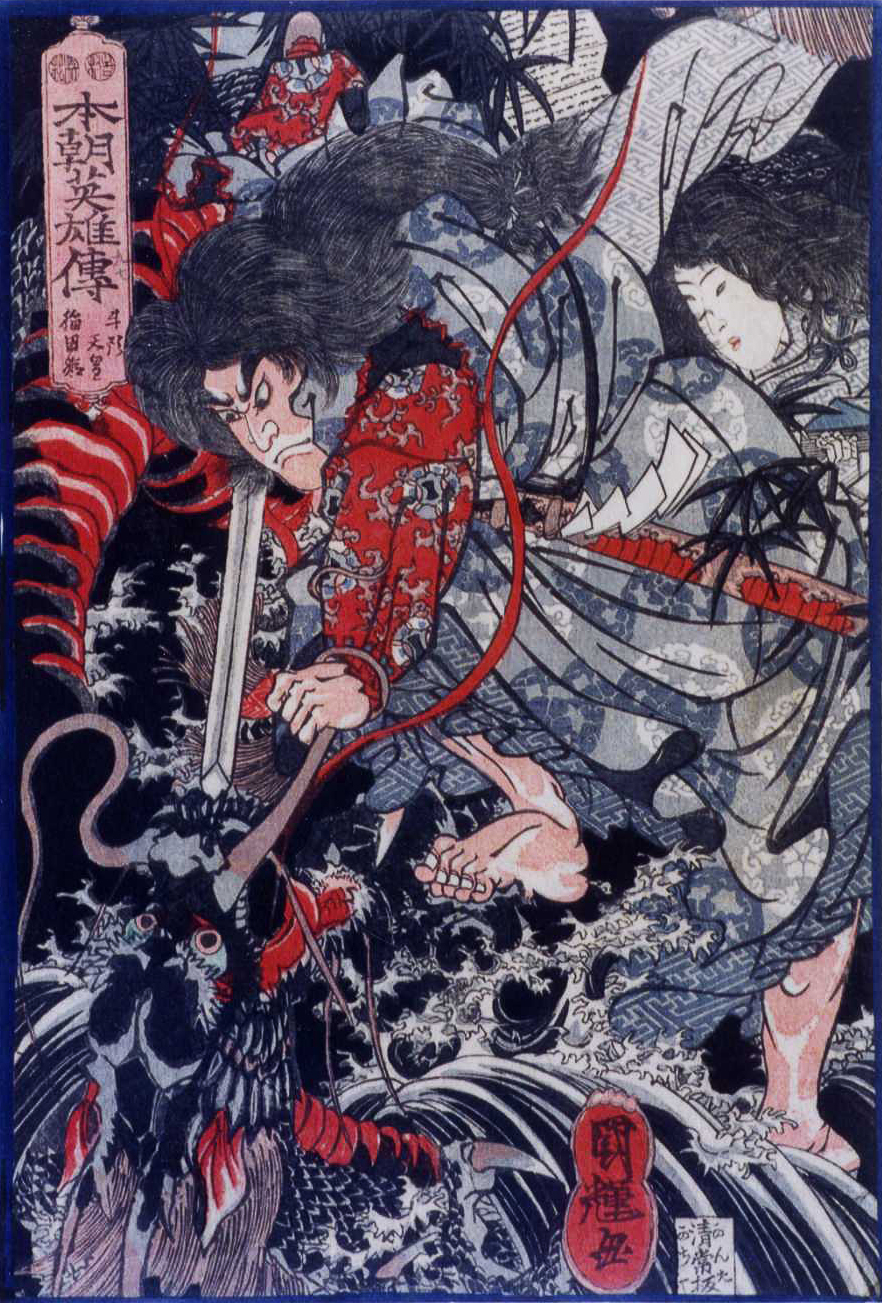

Structure and motifs
Descriptions of Ryūgū-jō emphasize beauty, strangeness and the reversal of ordinary time. Variants of the tale list features such as:
- Rooms and chambers decorated with marine materials and luminous furnishings.
- Symbolic architecture where each side or hall represents a different season, reflecting cycles of nature.
- Attendants composed of sea creatures and magical beings who serve the ruler.
One recurring motif is temporal distortion: a short stay in the palace corresponds to many years on land, a theme most famously explored in the Urashima Tarō narrative.
Materials and imagery
Traditional stories offer differing images of the palace's fabric. In some versions it is carved from red and white coral, a material associated with beauty and the sea; in others it is described as built of clear, glittering crystal, suggesting purity and the supernatural. These contrasting descriptions underline the palace's role as both natural and enchanted.
Cultural role and notable tales
Ryūgū-jō is central to the moral and imaginative landscape of several folktales. The best-known narrative involves Urashima Tarō, a fisherman who visits the palace and returns to find the world changed. Beyond that story, Ryūgū-jō appears in art, theatre and popular culture as a symbol of escape, reward and the danger of disconnection from time.
Interpretations and distinctions
Scholars and storytellers interpret Ryūgū-jō variously: as a locus of divine hospitality, a test of virtue, or a metaphor for the unknown sea. The palace belongs to a broader set of global myths about otherworldly dwellings associated with gods and spirits; its association with a dragon-like deity and a maritime court distinguishes it. References to Ryūgū-jō often emphasize the role of Ryūjin's servants—sea creatures and lesser spirits gathered in the palace—who enact the daily life of this submerged realm.
As a cultural emblem, Ryūgū-jō continues to inspire modern literature, visual arts and regional folklore, linking ancient mythic imagination to contemporary interpretations of the sea and the supernatural.
Author
AlegsaOnline.com Ryūgū-jō (Ryugu-jo) Leandro Alegsa
URL: https://en.alegsaonline.com/art/84986