
Upstate New York
Comprehensive overview of Upstate New York: geography, regions, history, economy, recreation, and how it differs from the New York metropolitan area.
Overview
Upstate New York generally refers to the portion of the state of New York that lies north and west of the New York metropolitan area. It encompasses a variety of landscapes, from mountain ranges and large lakes to agricultural valleys and historic industrial cities. The term has no single legal boundary and can mean different things depending on context, but it is often used to distinguish the less urbanized and more rural parts of the state from New York City and its suburbs.
Image gallery
10 Images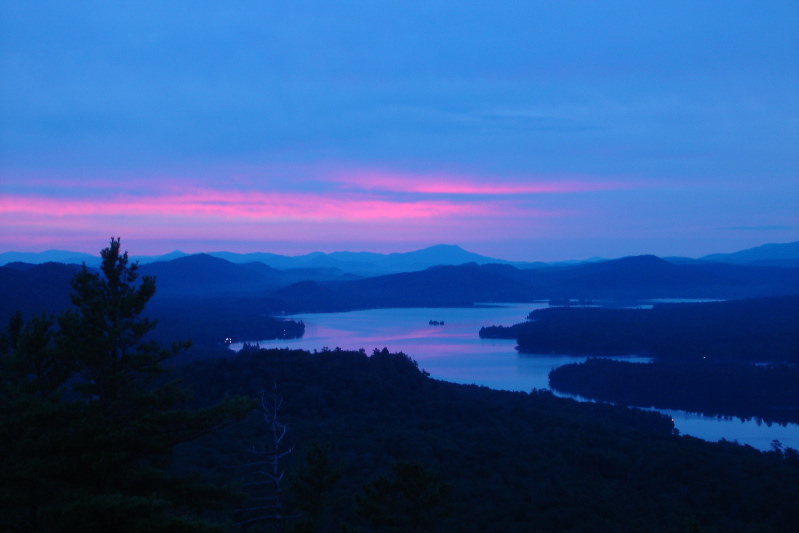


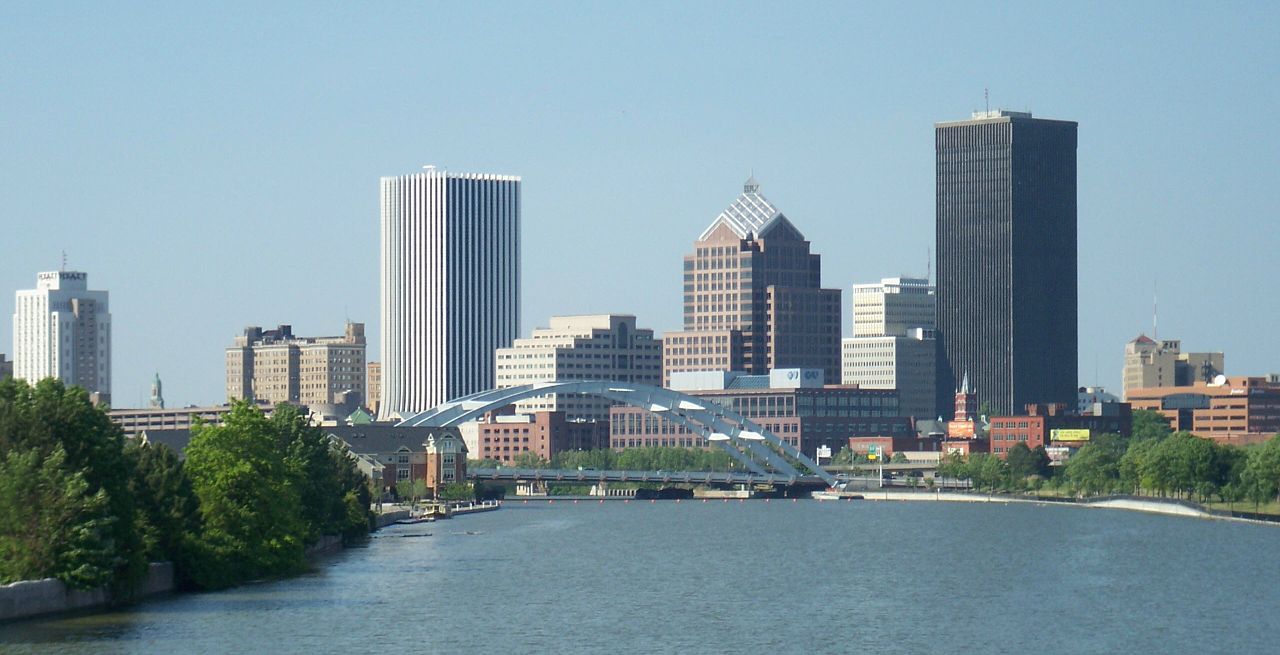


Geography and regions
The region includes several well-known subregions with distinct character. Natural features shape local economies and leisure activities, while urban centers provide cultural and institutional anchors.
- Adirondacks: a vast forested mountain region, popular for hiking and lakeside recreation.
- Catskills: mountains and resorts historically linked to outdoor sports and the arts.
- Finger Lakes: long narrow lakes, wine country, and scenic gorges.
- Hudson Valley: a mix of river towns, farms, and historic estates.
- Western, Central and Northern New York: includes cities such as Buffalo, Rochester, Syracuse and the state capital area around Albany.
History and development
The area was long inhabited by Indigenous peoples before European colonization. During the 18th and 19th centuries, canals, railways and waterways—most notably the Erie Canal—transformed Upstate New York into an industrial and transportation hub. In the 20th century many urban centers prospered with manufacturing, while more rural zones remained agricultural. Economic shifts since the mid-1900s led to plant closures in some cities and renewed focus on services, higher education and tourism.
Economy, culture and uses
Upstate's economy is diverse: agriculture and wineries are strong in some areas, higher education and health care are major employers in college towns, and tourism supports many communities near parks and lakes. Cultural life includes regional festivals, museums, performing arts centers and a growing craft food and beverage scene. Historic architecture and preserved landscapes contribute to heritage tourism.
Recreation and significance
Outdoor recreation is a defining feature: skiing, hiking, boating, fishing and leaf-peeping draw visitors seasonally. State parks and protected forests conserve biodiversity and provide public access to nature. Cities offer museums, universities and local culinary scenes that complement the region's natural attractions.
Distinctive facts and contemporary issues
Upstate New York is often contrasted with the dense, globalized economy of New York City: population densities, political cultures and cost of living differ across the state. Recent efforts focus on revitalizing former industrial centers, balancing development with environmental protection, and promoting tourism and local agriculture as sustainable economic paths. While definitions vary, the identity of "Upstate" remains a central element in New York's regional conversation.
Related articles
Author
AlegsaOnline.com Upstate New York Leandro Alegsa
URL: https://en.alegsaonline.com/art/103519