
Marquette, Michigan
Marquette is the largest city on Michigan's Upper Peninsula, historically a Lake Superior iron‑shipping port and today a regional center for education, recreation, and maritime activity.
Overview
Marquette is a lakeside city in Michigan, located on the shores of Lake Superior in the state's Upper Peninsula. Home to about 20,000 people, it serves as the county seat and the primary urban center for a broad rural region. The city was named for the French Jesuit missionary Jacques Marquette and is known for its rugged shoreline, working harbor, and university community.
Image gallery
10 Images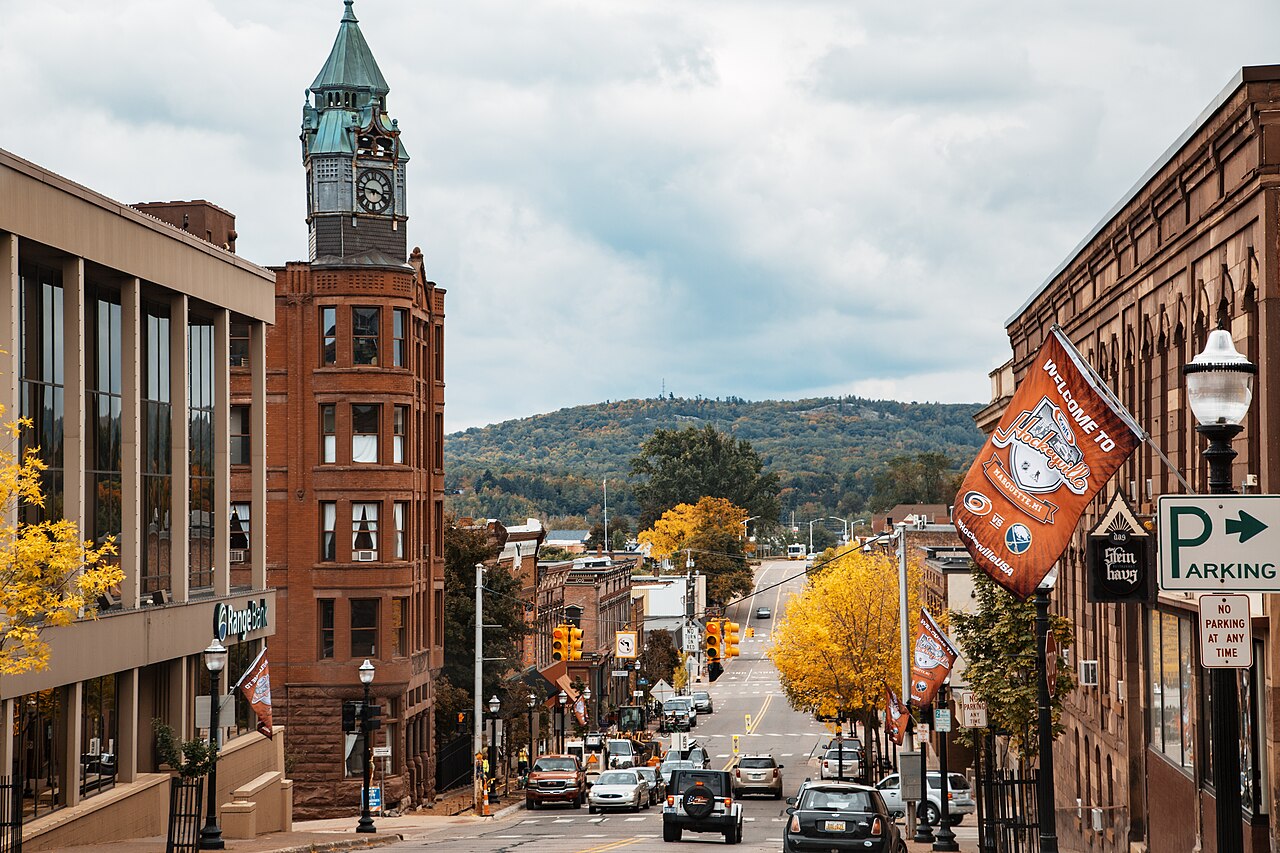


Geography and climate
Perched on a natural harbor, Marquette's waterfront has long shaped its character. The city experiences a continental climate with cold, snowy winters heavily influenced by lake‑effect snow and mild summers. Prominent coastal features include rocky headlands, sandy beaches, and a historic harbor whose entrance is marked by lighthouses and breakwaters.
History and industry
Marquette developed in the 19th century as mining expanded across the Upper Peninsula. Local deposits of iron led to extensive extraction in nearby mines, and much of the ore produced in the region was transported to Marquette for shipment. The city's docks and rail connections turned it into an important port on the lake, enabling the transport of bulk materials to industrial centers farther south and east.
Economy, education, and culture
While mining remains part of the area's heritage, Marquette's modern economy is diversified. Education and health care—anchored by a regional university—are major employers. Tourism, recreation industries, and small manufacturing also contribute. Cultural life includes local theaters, museums, craft festivals, and community events that reflect both native and immigrant influences.
Attractions and recreation
- Presque Isle Park and coastal trails for hiking and scenic overlooks.
- Historic ore docks and maritime museums that interpret the city's shipping past.
- Winter sports, including skiing and snowmobiling, and summer boating, fishing, and paddle sports on Lake Superior.
- University events, galleries, and regional food and craft markets.
Modern role and distinctions
Today Marquette functions as the primary service and cultural center for Michigan's Upper Peninsula. Its port remains active for bulk cargoes and seasonal shipping, while the combination of natural scenery and community amenities makes it an important destination for outdoor recreation and lakefront tourism. Conservation, maritime heritage, and a resilient local identity continue to shape Marquette's development.
Michigan and Lake Superior connections, historic links to iron and ore, plus the legacy of nearby mines and an active port are central to understanding Marquette's past and present.
Related articles
Author
AlegsaOnline.com Marquette, Michigan Leandro Alegsa
URL: https://en.alegsaonline.com/art/62216