
University of Costa Rica: overview, structure, history and regional role
Comprehensive overview of the University of Costa Rica: campuses, academic profile, research, governance, history and its significance within Costa Rica and Central America.
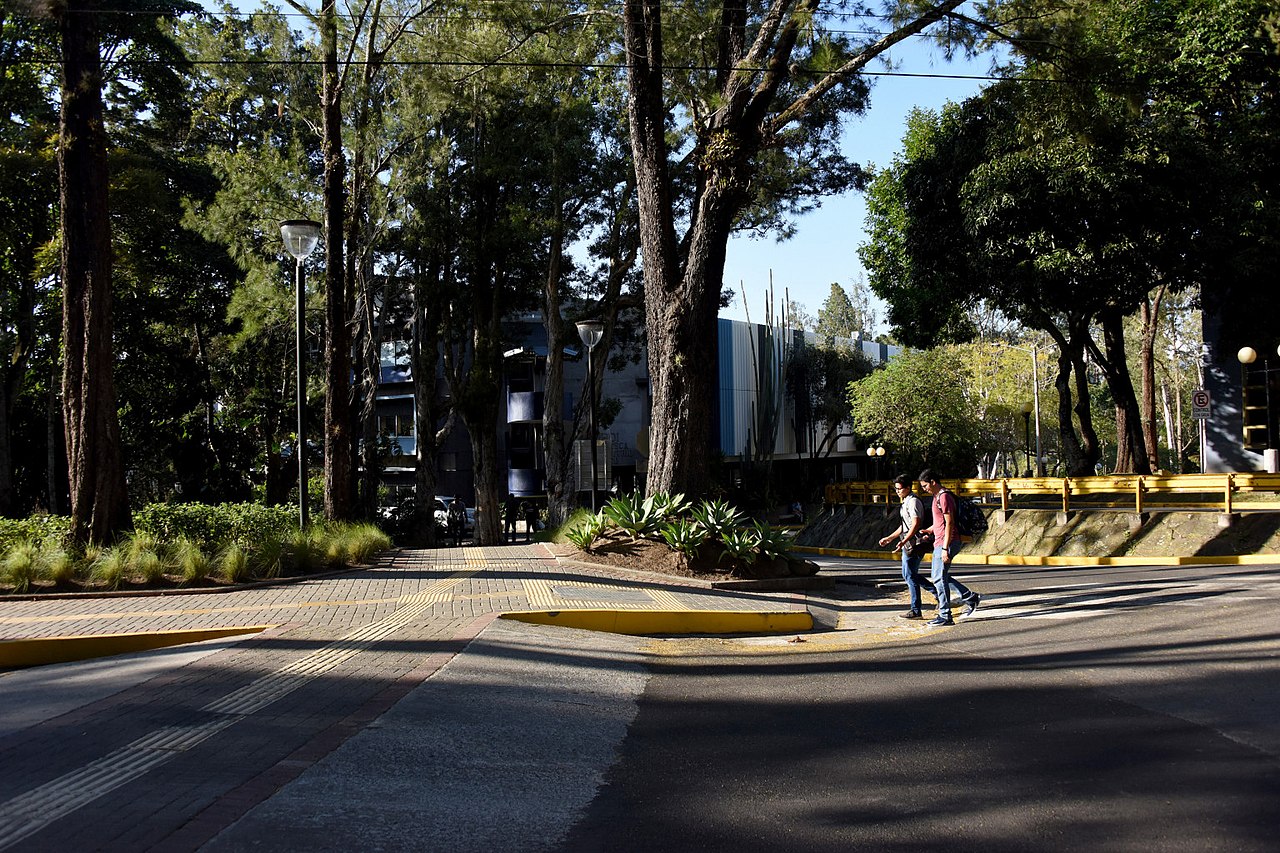
Overview. The University of Costa Rica is the principal public higher-education institution of the country. In Spanish it is known as Universidad de Costa Rica. It operates as a state-supported institution (public university) in the Republic of Costa Rica, located in the Central American region (Central America). The main campus, Ciudad Universitaria Rodrigo Facio, sits in San Pedro, Montes de Oca, within the province of San José. The university enrolls roughly 39,000 students across undergraduate and graduate programs.
Image gallery
7 Images




Organization and academic profile
The university comprises multiple faculties, schools and research institutes that cover the arts and humanities, natural and social sciences, engineering, health sciences, agriculture and education. Degree offerings range from professional undergraduate programs to master’s and doctoral research degrees. Governance follows a university council model with academic and administrative bodies responsible for curriculum, research policy and community outreach.
Campuses and regional presence
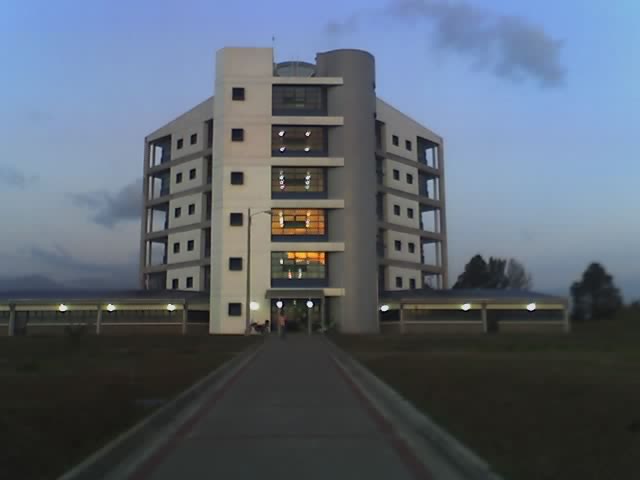
Beyond the central Ciudad Universitaria Rodrigo Facio, the institution maintains regional campuses and extension centers that bring programs to other provinces. Those regional sites support local development, continuing education and professional training, and they extend the university’s teaching and research mission into rural and urban communities.
Research, public service and collections
UCR is recognized as a leading research university in Costa Rica and a major research actor in the region. Its laboratories and centers concentrate on biodiversity and conservation, environmental and agricultural sciences, public health, and social-policy research. The university also manages libraries, museums and cultural programs that serve both students and the wider public, contributing to science communication and heritage preservation.
History and societal role
Founded to provide broad access to higher education and to support national development, the university expanded steadily in enrollment and academic breadth over decades. It moved from a primarily teaching-focused institution to a comprehensive research university with graduate programs and doctoral work. Throughout its history the university has played a visible role in national debates on education, environment, health and cultural policy.
Reputation, rankings and international links
In international assessments the University of Costa Rica is often placed among the leading institutions in Latin America. It has appeared in global listings of top universities and in regional rankings; some profiles have placed it within global top-500 lists and among the top institutions in Latin America (rankings and profiles). The university maintains academic partnerships and exchange agreements with universities and research centers abroad.
Access and student life
As a public university, UCR emphasizes broad access and operates scholarship and financial-aid programs to reduce barriers to study. Campus life includes student organizations, cultural events, sports and outreach activities. Prospective students can consult institutional pages for admissions procedures, program catalogs and research opportunities (Spanish site).
- Main campus: Ciudad Universitaria Rodrigo Facio (San Pedro, Montes de Oca).
- Student population: roughly 39,000 (undergraduate and graduate combined).
- Role: principal research university in Costa Rica with significant regional influence.
For official information, program listings and updates on research and admissions consult institutional sources and published profiles; international rankings and country profiles are available through specialized higher-education evaluators (rankings, public university resources, national profiles).
Related articles
Author
AlegsaOnline.com University of Costa Rica: overview, structure, history and regional role Leandro Alegsa
URL: https://en.alegsaonline.com/art/103238
Sources
- ucr.ac.cr : ucr.ac.cr
- webometrics.info : "Latin America - Ranking Web of Universities: More than 28000 institutions ranked"