
University of Delaware: history, campus, academics, and traditions
Overview of the University of Delaware: its origins, Newark campus, academic programs, research and outreach, student life, traditions like the Blue Hens, notable alumni including Joe Biden, and institutional role in the state.
Overview
The University of Delaware is a research-oriented institution headquartered in Newark, in the U.S. state of Delaware. It traces institutional roots to an academy established in 1743 and has grown into a comprehensive university offering undergraduate, graduate and professional education. The main campus in Newark is complemented by additional sites that support specialized programs and statewide outreach. For information about the city and campus setting see Newark, Delaware.
Image gallery
10 Images




History
The university traces its origins to a mid-18th-century academy founded in 1743. Over the centuries the institution evolved through mergers, charter revisions, and expansions of curriculum to become the modern university. Historical accounts commonly note that three of the academy's early students later became signers of the American Declaration of Independence, reflecting the school's long regional presence and early ties to civic life; for historical context see founding and early history and summaries of early figures associated with the school at early alumni.
Campus and facilities
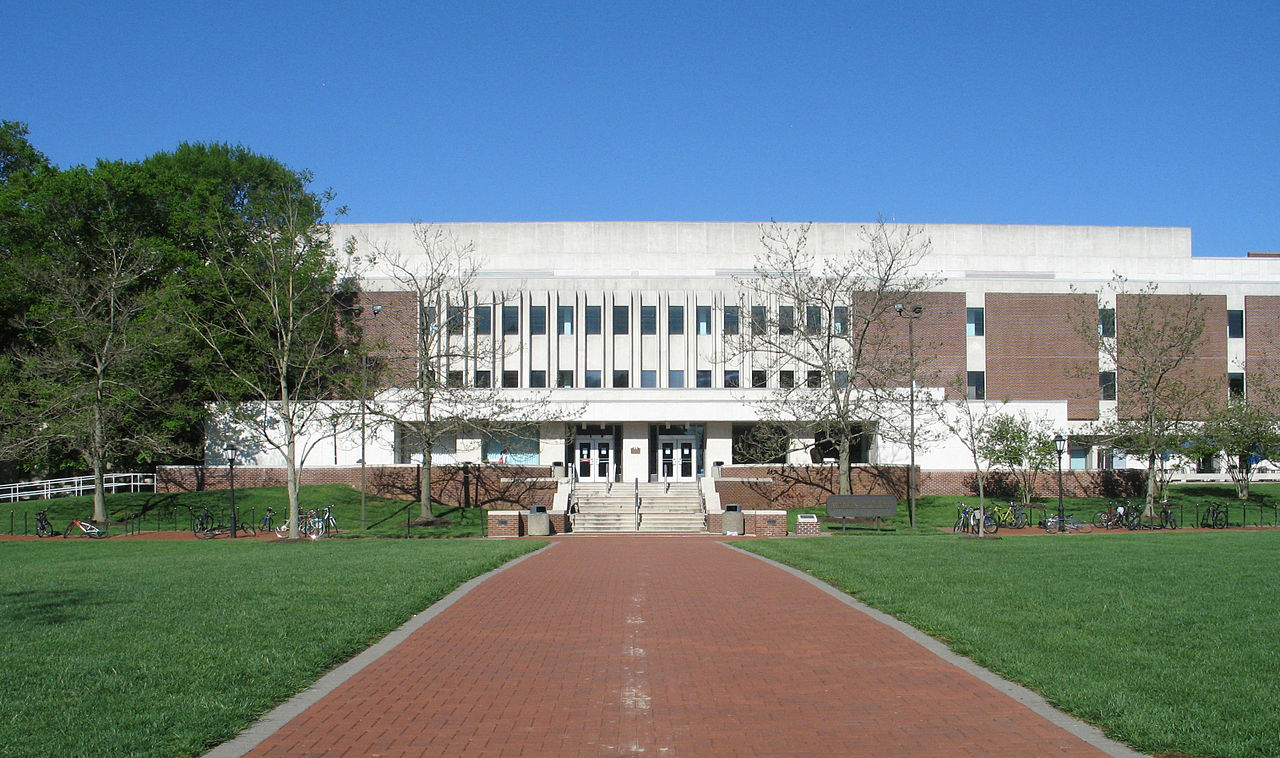
The Newark campus features a mix of historic and contemporary buildings, research laboratories, libraries, performance spaces, and athletic facilities. Academic buildings are organized by colleges and schools that host teaching and research programs. The university also maintains partnerships with government, industry, and other universities to support applied research and workforce development across the region.
Academics and research
Academic offerings include a broad range of bachelor’s, master’s and doctoral programs in the arts and sciences, engineering, business, education, health-related fields and professional studies. Research activities span fundamental inquiry and practical innovation in areas such as materials, environmental science, public policy, and health. Interdisciplinary centers and cooperative extension activities extend the university’s expertise into the community.
Student life and traditions
Student life combines classroom learning with extracurricular involvement: student organizations, performing arts, research experiences, and community service are prominent. The university's athletic teams are nicknamed the Blue Hens, a mascot that echoes a long-standing local and state association with the Blue Hen; school colors traditionally pair a deep blue with a gold or yellow accent. See references on the Blue Hens and colors at blue and gold/yellow.
Notable alumni and public impact
Alumni have entered fields including government, business, science and the arts. Among the university's best-known graduates is Joseph R. Biden Jr., who served as Vice President of the United States and later became President; biographical outlines are available at Joe Biden profile, with summaries of his public offices at vice-presidential service and presidential service. The university's graduates and faculty contribute to public policy, research, and the regional economy.
Governance and mission
As an institution with historical private and public ties, the university operates with a mission that combines undergraduate education, graduate training, research, and service to the state. Governance structures, academic councils and administrative offices guide curriculum, research priorities and community engagement while maintaining accreditation and standards for higher education.
- Location and campus: Newark, Delaware (city overview).
- Founding roots: academy established in 1743 (founding summary).
- Historical note: early students who later signed the Declaration (historical notes).
- Prominent alumnus: Joseph R. Biden Jr. (biography, Vice President, President).
- Traditions: Blue Hens mascot and blue and gold school colors (blue, gold/yellow).
Related articles
Author
AlegsaOnline.com University of Delaware: history, campus, academics, and traditions Leandro Alegsa
URL: https://en.alegsaonline.com/art/103240