
University of Durham (Durham University)
A collegiate, research-led university in Durham, England, founded in 1832. Known for historic buildings, a collegiate system, broad academic strengths, and a prominent role in UK higher education.
Overview
The University of Durham, commonly referred to as Durham University, is a historic, research-led institution located in the north of England. It was founded in 1832 and is regarded as one of the older universities in the United Kingdom. The university combines a strong academic profile with a distinctive collegiate system that shapes student life and pastoral care. For official information see the official website.
Image gallery
10 Images





History and development
Established in the early 19th century, the university grew through the Victorian era and expanded its teaching and research provision across the 19th and 20th centuries. Over time it developed a network of constituent colleges and modern faculties, adapting to changing educational needs while retaining links to the city's medieval institutions and traditions.
Collegiate structure and organisation
Durham follows a collegiate model similar in some respects to Oxford and Cambridge: students belong to individual colleges that provide accommodation, social life and pastoral support, while academic teaching and research are organised in departments and faculties. This dual structure affects examinations, social traditions and governance.
Academics and research
The university is research-intensive, with strengths across arts, humanities, social sciences, and sciences. Programmes range from undergraduate degrees to postgraduate and doctoral study. Research activity contributes to public policy, cultural preservation and scientific knowledge, and the institution participates in national research networks including the Russell Group.
Campus, heritage and local setting
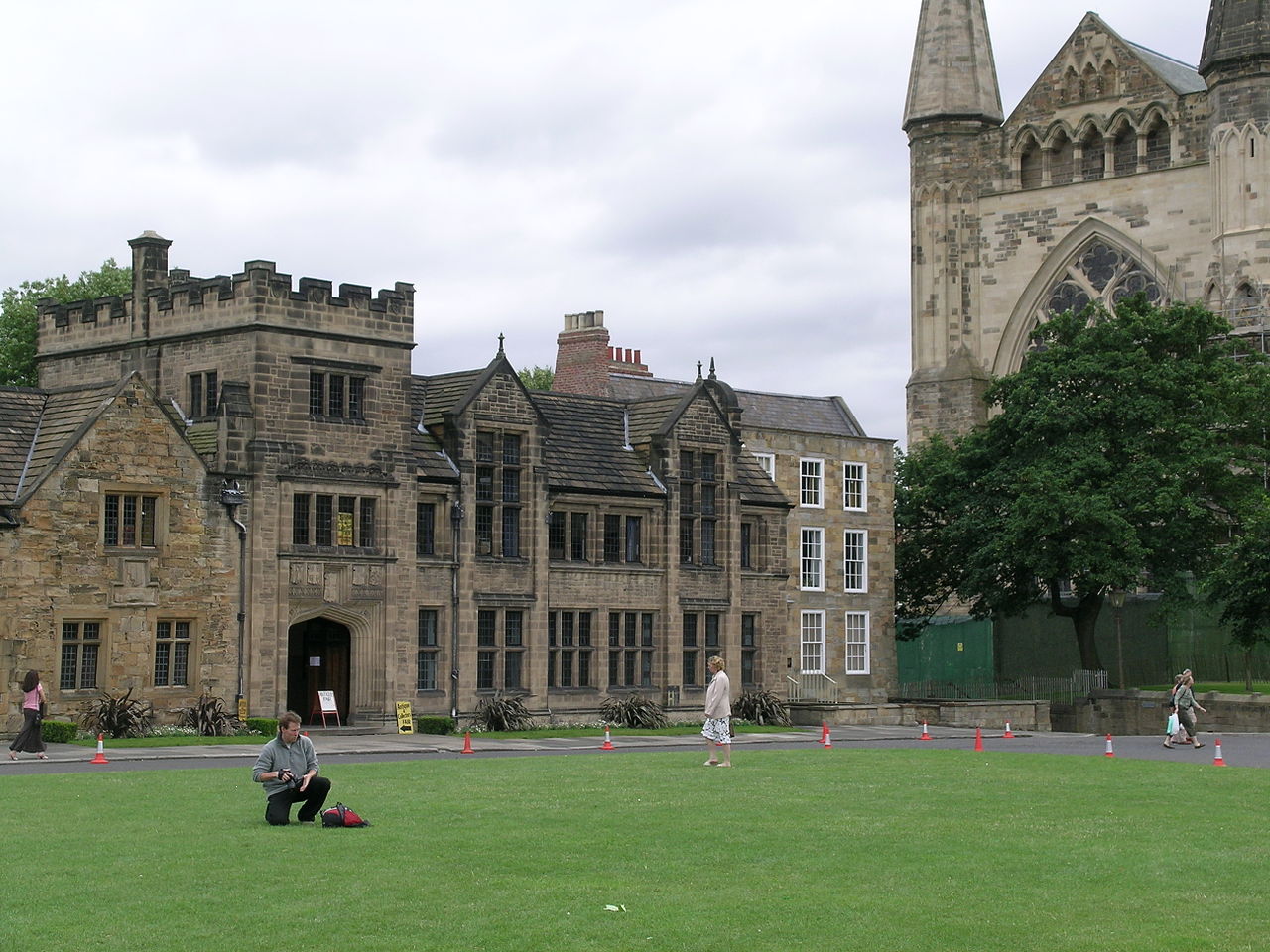
Durham's campus blends city-centre colleges and departments with outlying science and teaching facilities. Key historic sites, including the cathedral and castle at the heart of the city, form a distinctive backdrop and are central to the university's identity; these features are part of the wider appeal of the City of Durham.
Role and notable facts
- The university is widely regarded as a leading UK institution and is often described as a principal alternative to Oxford and Cambridge.
- It combines historic architecture, a collegiate community and modern research facilities.
- It is considered one of the oldest universities in the UK, with a legacy that continues to influence higher education in Britain.
Related articles
Author
AlegsaOnline.com University of Durham (Durham University) Leandro Alegsa
URL: https://en.alegsaonline.com/art/103244
Sources
- dur.ac.uk : "A year at Durham University 2005-2006"
- dur.ac.uk : "Facts and figures: Staff statistics"
- dur.ac.uk : "Financial statements for the year ended 31 July 2008"
- dur.ac.uk : "Governance: Senior management team"
- login.thetimes.co.uk : "Login"