
Samuel Wilson — the likely origin of the United States' 'Uncle Sam'
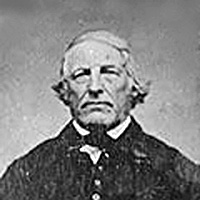
Samuel Wilson (1766–1854), a meat packer from Troy, New York, is widely credited as the local source of the nickname 'Uncle Sam' for the United States; his story blends business, wartime supply, and folklore.
Overview
Samuel Wilson (September 13, 1766 – July 31, 1854) was a meat packer and businessman based in Troy, New York. He is widely associated with the American national personification known as Uncle Sam. While the full origins of that nickname involve several strands of folklore and usage, Wilson's role is one of the most commonly cited and officially recognized explanations.
Image gallery
6 Images


Trade and wartime work
Wilson operated a packing business that prepared beef and pork for sale and for military contracts. During the War of 1812 his firm supplied provisions to the U.S. Army. Shipments were marked with the initials "U.S." to indicate government property. Workers and local people allegedly jokingly expanded the marking into "Uncle Sam," a play on Samuel's name and his reputation as a supplier to the government.
Origin of the nickname
The connection between the government mark "U.S." and the nickname is a simple, plausible folk etymology: barrels stamped "U.S." were associated with Samuel Wilson, known locally as "Uncle Sam" Wilson. Over time the label and the nickname migrated from local slang into wider political and popular usage, eventually becoming a national personification.
Recognition and legacy
Wilson's story has been invoked to illustrate how popular symbols can grow from ordinary circumstances. In the 20th century his association with the nickname received formal acknowledgement in public commemorations, and Troy preserves historic references to his life and trade. The image of Uncle Sam later developed further through prints, cartoons and patriotic art.
Notable facts
- Wilson was a civilian entrepreneur whose business intersected with military supply during a period of conflict.
- The "Uncle Sam" figure became a broader national symbol long after Wilson's death, shaped by artists and editors.
- Accounts emphasize the combination of a real person, a government mark, and popular wordplay rather than a single definitive origin.
Whether taken as historical fact or as a memorable anecdote, the Samuel Wilson story remains a commonly cited explanation for how an everyday mark on a shipping barrel helped name one of the United States' most enduring symbols.
Author
AlegsaOnline.com Samuel Wilson — the likely origin of the United States' 'Uncle Sam' Leandro Alegsa
URL: https://en.alegsaonline.com/art/130414