
Ukrainian hryvnia (UAH)
The hryvnia is Ukraine's national currency (ISO code UAH), subdivided into kopiykas. It has medieval origins, modern banknotes and coins, and is issued by the National Bank of Ukraine.
The Ukrainian hryvnia is the national currency of Ukraine. Commonly abbreviated as UAH, it serves as the unit of account, medium of exchange and store of value in the country. The currency is issued and regulated by the nation's central bank and is legal tender for all domestic transactions.
Image gallery
10 Images





Basic characteristics
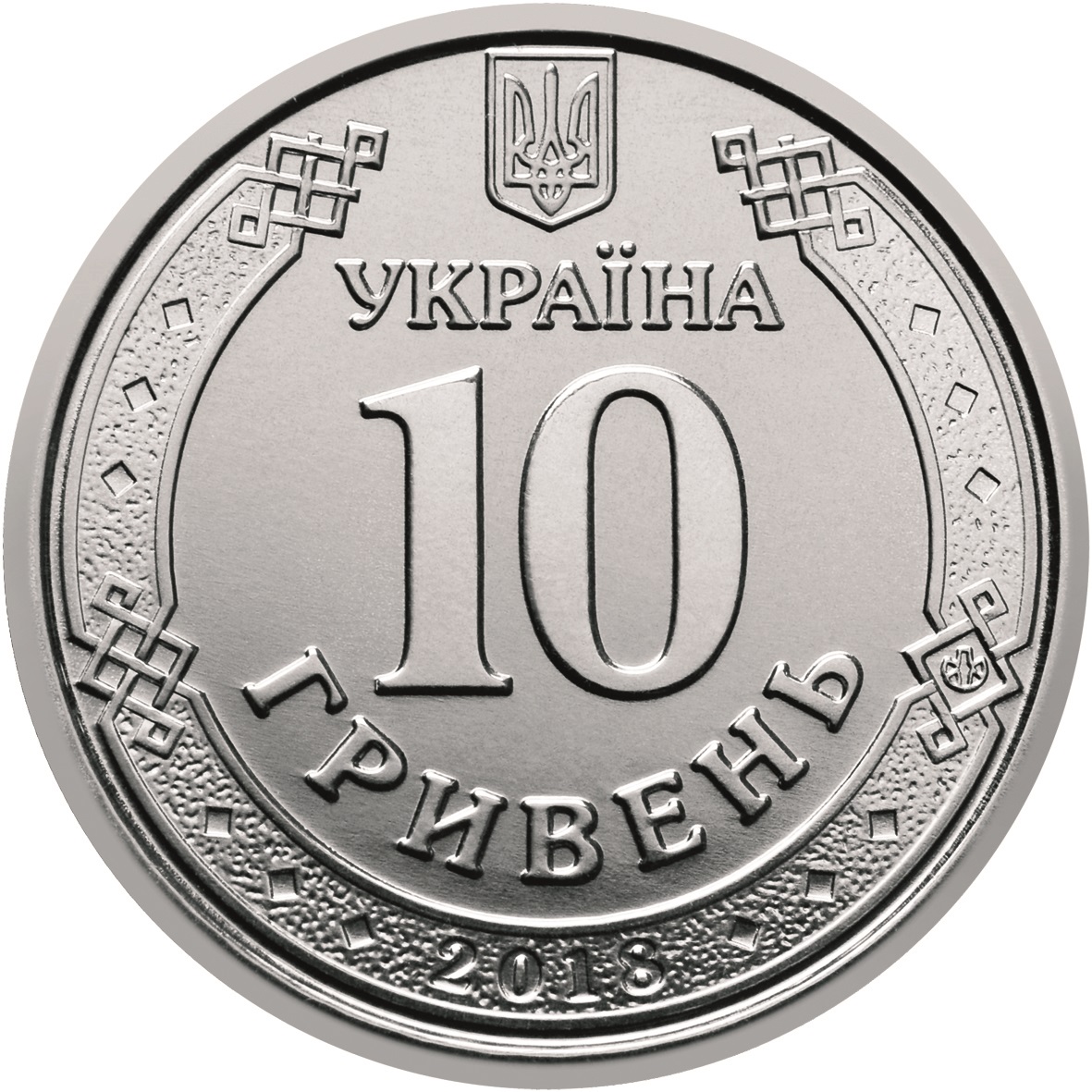
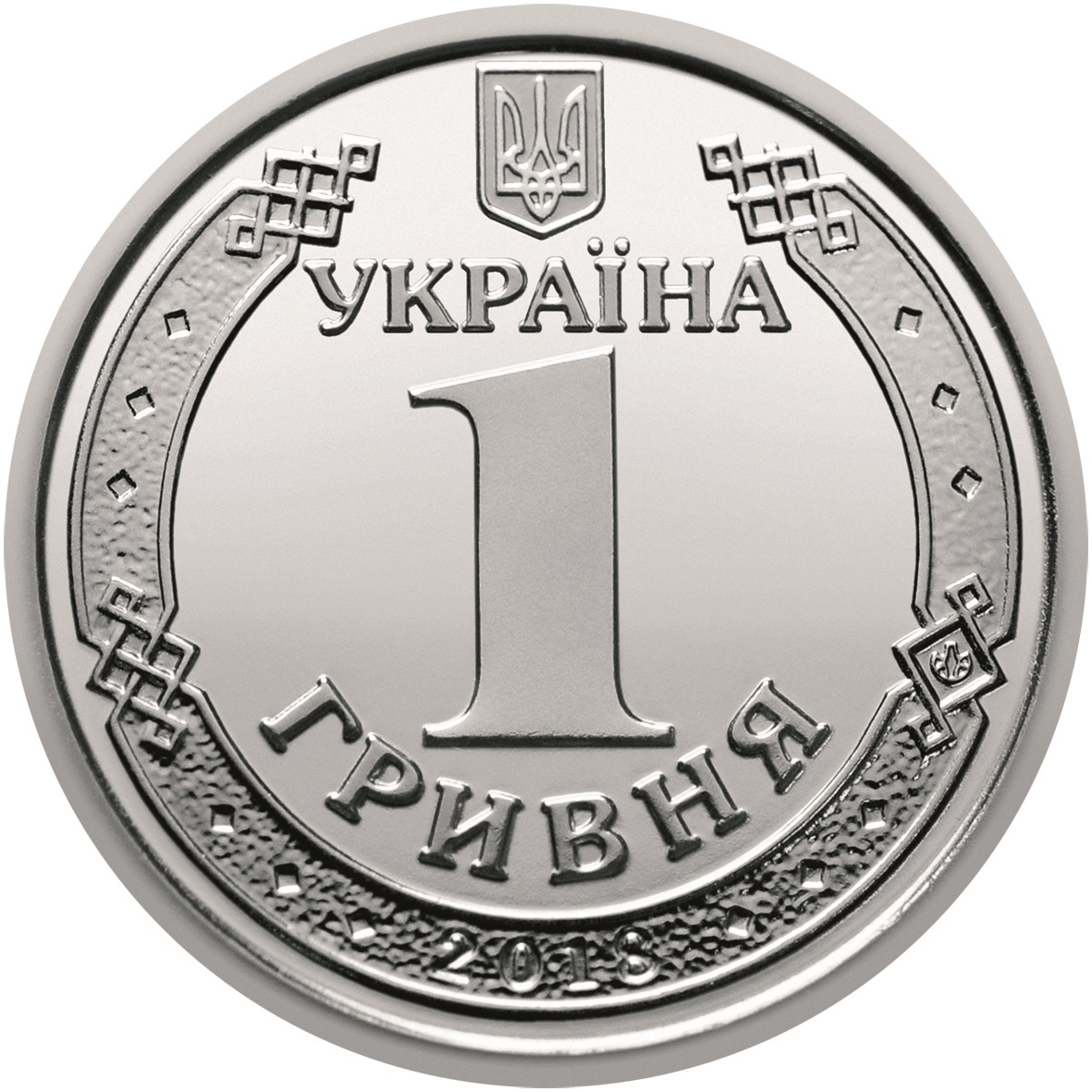
The hryvnia is divided into 100 smaller units called kopiykas (singular: kopiyka). Its international code is UAH and it is represented by the symbol ₴ in many contexts. Banknotes and coins are produced in a range of denominations designed to cover everyday payments and larger transactions.
Denominations and forms
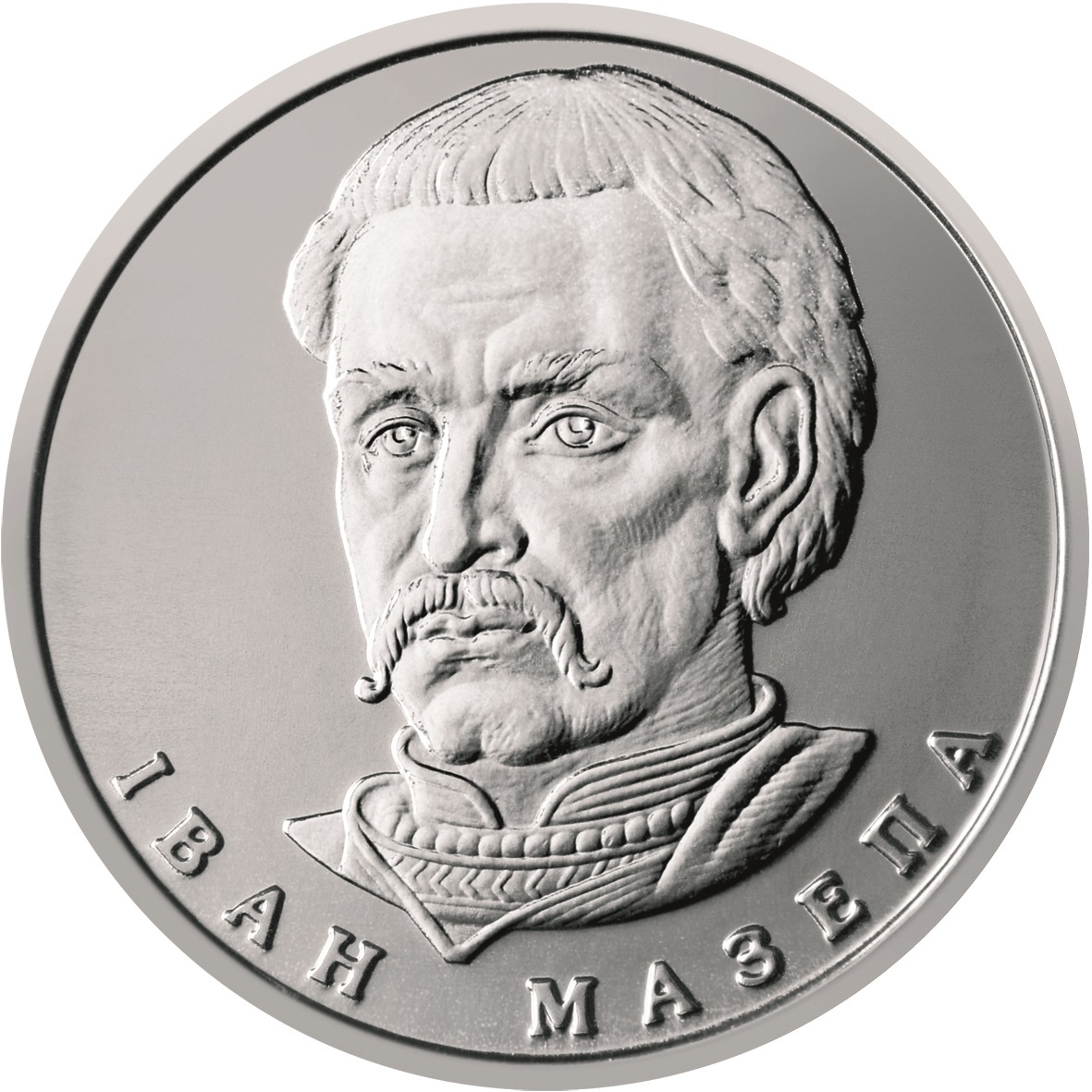
- Coins: commonly used smaller denominations of kopiykas and low-value hryvnia coins.
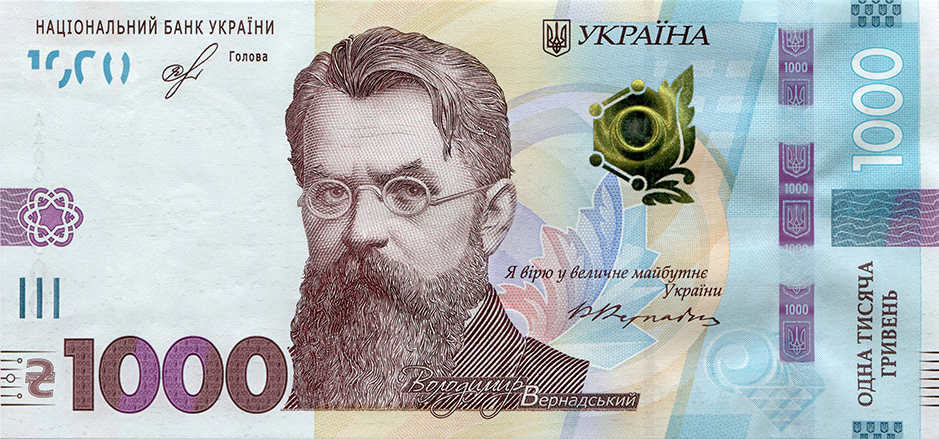
- Banknotes: a set of paper notes in ascending values used for routine and high-value payments.
- Electronic money and bank deposits: most wage payments, transfers and savings are recorded in hryvnia units.
History and origin
The name "hryvnia" goes back to medieval times in Eastern Europe and originally referred to a weight of precious metal. Modern Ukraine reintroduced the name for its national currency after independence, replacing earlier transitional money. Since its introduction as the contemporary currency, it has been the focus of monetary policy aimed at price stability and supporting economic activity.
Design, security and issuance
Contemporary banknotes typically feature portraits of notable historical figures and cultural motifs, plus multiple security elements such as watermarks, security threads and special inks to deter counterfeiting. The currency is managed by the central monetary authority, which oversees issuance, circulation and measures to maintain public confidence in the currency. For official information about issuance and policy see the central bank's resources: National Bank.
Usage and significance
The hryvnia is used in daily commerce, savings, taxation and budgeting. It plays a central role in national economic policy and is an important symbol of sovereignty. Exchange rates against other currencies fluctuate with markets and policy decisions, affecting imports, exports and consumers. For further background on monetary history and current status consult general references on national currencies or official resources: national currency overview.
Related articles
Author
AlegsaOnline.com Ukrainian hryvnia (UAH) Leandro Alegsa
URL: https://en.alegsaonline.com/art/102639