
Underweight: Definition, Causes, Risks and Management
Underweight describes having a body mass below common healthy expectations, often assessed by BMI. This article explains measurement, causes, health effects, diagnosis and approaches to management.
Underweight refers to having a body weight that is below what is considered healthy for a person of a given height, age and sex. The condition is commonly assessed using the body mass index (BMI), a simple ratio of weight to height, with a BMI below about 18.5 often used as a general threshold for adults. This threshold is only a guideline: individual circumstances such as age, body composition, ethnicity and clinical context change how weight relates to overall health. A person who is underweight may nevertheless have a high proportion of muscle, or conversely may have lost lean tissue and fat.
Image gallery
2 Images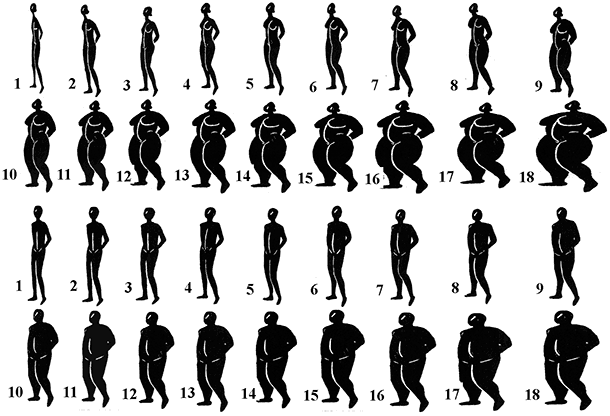

How underweight is measured and its limits
BMI is widely used because it is quick and correlates roughly with body fat at the population level, but it has important limitations. BMI does not distinguish fat from muscle, does not account for bone density, and is not appropriate for infants, children, pregnant people, or some athletic populations. Clinical assessment usually combines BMI with medical history, physical examination, and tests to evaluate nutritional status. For children and adolescents, growth charts and age- and sex-specific percentiles are used rather than adult BMI cutoffs. Simple measures such as unintended weight loss over weeks or months are also informative.
Common causes
- Inadequate calorie intake: reduced appetite, food insecurity, restrictive diets, or lack of access to food.
- Medical conditions: chronic illnesses (e.g., gastrointestinal disorders, endocrine disease, cancer, chronic infections) that increase energy needs or limit absorption.
- Mental health and eating disorders: conditions such as anorexia nervosa, bulimia, depression or anxiety can lead to low weight.
- High metabolism or increased energy expenditure: some people naturally have higher resting energy needs or occupations requiring intense activity.
- Medication effects and substance use: some drugs reduce appetite or cause weight loss.
Health consequences
Being underweight can reduce resistance to infection, slow wound healing, lower bone mineral density and increase the risk of fractures. In women, very low body weight may disrupt menstrual cycles and fertility. Severe undernutrition can lead to muscle wasting, weakness, and increased complications after surgery or illness. In older adults, low weight is associated with falls, frailty and poorer outcomes from acute illness. The degree of risk depends on the cause, duration, and whether essential nutrients are deficient.
Evaluation and management
Assessment begins with history and physical examination, including questions about appetite, diet, recent weight changes, and psychosocial factors. Laboratory tests can screen for underlying disease or nutrient deficiencies. Management targets the underlying cause: improving caloric and protein intake, treating medical or psychiatric disorders, addressing social factors like food access, and using nutritional supplements when appropriate. Multidisciplinary care—combining primary care, dietitians, mental health professionals and specialists—is often most effective, especially when an eating disorder or complex medical condition is present.
Distinctions and notable facts
Underweight is related to but not identical with malnutrition; malnutrition emphasizes inadequate intake of energy or specific nutrients and can occur at many body weights. Cultural, socioeconomic and genetic factors influence typical body size and the health implications of low weight. For people with naturally low body mass who are otherwise well, low BMI alone may not indicate a medical problem. Clinicians therefore interpret measurements in the context of symptoms, function, and laboratory findings rather than relying on a single number.
For more detailed guidance on assessing weight and nutritional status, see professional resources such as clinical practice guidelines and public health materials. Basic information about body weight concepts is also available via resources on weight, BMI and general health.
Questions and answers
Q: What does the term underweight refer to?
A: The term underweight refers to humans that have much less weight than they should.
Q: Why is being underweight bad for overall health?
A: Being underweight is bad for the overall health of the person affected.
Q: What is used to define being underweight?
A: Being underweight is often defined using a measure called the body mass index which calculates a score, based on height and weight.
Q: What score in the body mass index indicates that a person is underweight?
A: If the body mass index score is below 18.5, a person is generally said to be underweight.
Q: Is the body mass index score applicable to everyone?
A: The body mass index score is only a general indication and must not be calculated for everyone. It does not apply to children and adolescents, for example.
Q: What can cause a person to be underweight?
A: Being underweight can have different causes.
Q: Does a person's weight remain the same over time?
A: It is normal that a person's weight changes over time.
Related articles
Author
AlegsaOnline.com Underweight: Definition, Causes, Risks and Management Leandro Alegsa
URL: https://en.alegsaonline.com/art/102824