
Louse: biology, behavior, host relationships, and medical importance
Lice are small, wingless ectoparasitic insects that live on birds and most mammals. This article covers their biology, life cycle, host specificity, human lice, health impacts and control measures.
Overview
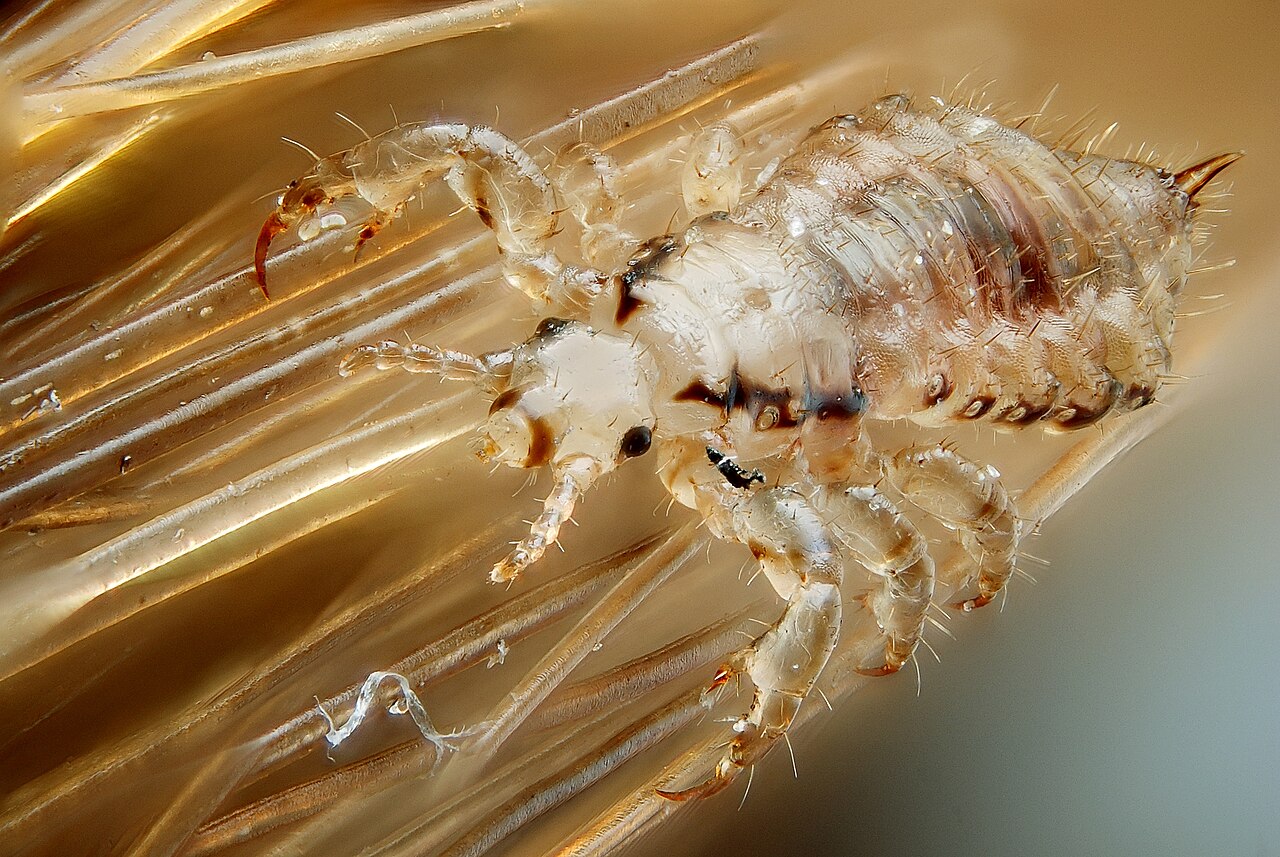
Lice (singular: louse) are obligate, wingless ectoparasites that spend their entire life cycle on the skin or in the feathers and hair of a host. They are specialized for clinging to hair and feathers and feed either by chewing skin debris and feathers or by sucking blood. Lice infest every order of birds and most mammalian groups, but they are absent from some lineages such as Monotremes and several eutherian groups including many bats, aquatic mammals like cetaceans, and pangolins.
Image gallery
9 Images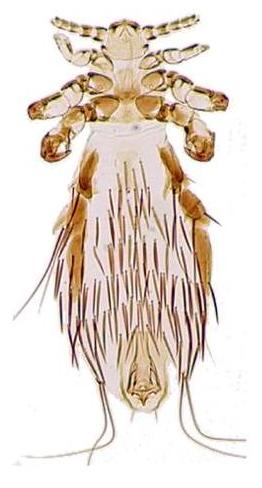




Characteristics and classification
Members of the order Phthiraptera are small, flattened insects adapted to a parasitic life. Typical features include clawed legs for grasping hair shafts, reduced or absent wings, and mouthparts adapted to either biting or piercing. Broadly, lice are divided into groups commonly referred to as chewing (or biting) lice and sucking lice. There are more than 3,000 described species, many of them highly host-specific.
Life cycle and behavior
The louse life cycle includes eggs (nits) glued to hairs or feathers, several nymphal stages, and adults. Development from egg to reproducing adult typically takes a few weeks, depending on temperature and host conditions. Transmission usually requires direct contact between hosts or, for human lice, transfer via shared clothing or bedding. Lice spend their entire lives on the host and cannot survive long off-host.
Human lice and medical importance
Humans are affected by three primary louse types: the head louse, the body louse and the pubic louse. These species differ in habitat on the body and in their potential to spread disease. Body lice are known vectors of serious pathogens such as those that cause epidemic typhus and relapsing fever under conditions of crowding and poor hygiene. All human lice cause itching and can lead to secondary skin infections from scratching.
Ecology, evolution and host specificity
Lice exhibit strong host specificity and long-term coevolution with their hosts. Patterns of louse diversity often reflect host evolutionary history and behavior. Because lice are confined to hosts, they are useful in studies of ecology and phylogeny, and their distributions reveal aspects of host contact and nesting behavior. Birds and mammals acquire lice largely through close contact; nests and communal roosts facilitate spread.
Control and notable distinctions
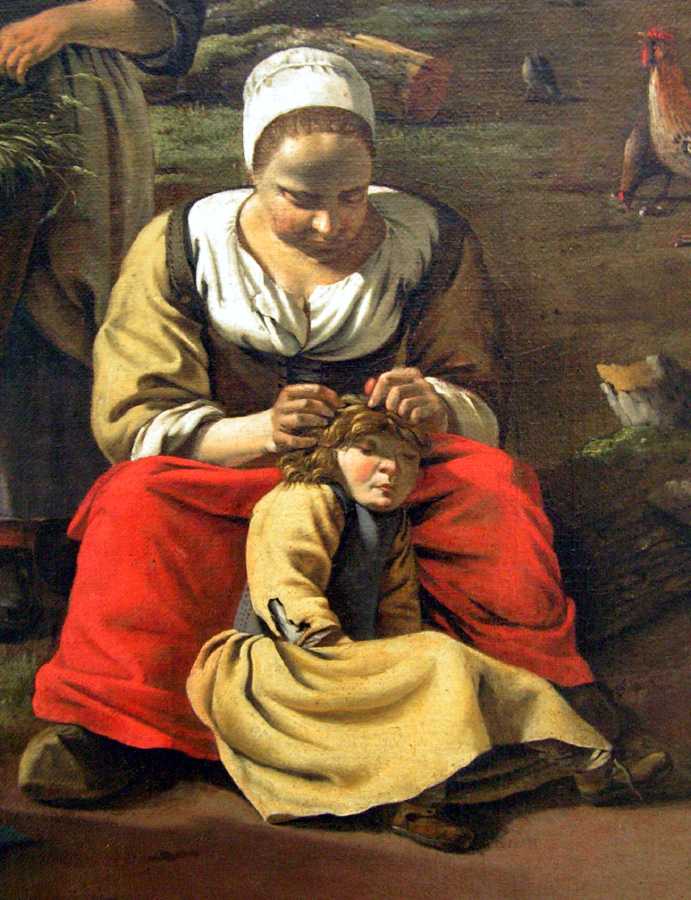
Control of lice involves mechanical removal (fine-toothed combing), topical insecticidal treatments and improving hygiene or laundering of clothing and bedding for body lice. Lice differ from other ectoparasites such as fleas, ticks and mites by being permanently host-bound and lacking a flying stage. For general reference about insect anatomy and parasitic relationships, see wingless insects and resources on hair-associated parasites like hair parasites and bird lice.
- Key facts: obligate ectoparasites, >3,000 species, extreme host specificity.
- Human examples: head, body, and pubic lice (treatment varies by type).
- Research value: indicators of host contact and coevolution.
For further details on specific taxa, treatment options, or the role of lice in disease, consult professional medical or entomological sources and the linked references above: eutherian orders and comparative summaries at species lists.
Questions and answers
Q: What are lice?
A: Lice are wingless insects that exist as external parasites on various mammalian orders and every species of bird.
Q: Where do lice live?
A: Lice live in hair.
Q: Are there any mammalian orders where lice are not found?
A: Yes, lice are not found on Monotremes and a few eutherian orders, namely bats (Chiroptera), whales, dolphins and porpoises (Cetacea) and pangolins (Pholidota).
Q: How many species of lice are there?
A: There are more than 3,000 different species of lice.
Q: Are there any humans that have lice?
A: Yes, three species of lice are classified as human lice.
Q: What do lice feed on?
A: Lice are external parasites and feed on the blood of their host.
Q: Do lice have wings?
A: No, lice are wingless insects.
Related articles
Author
AlegsaOnline.com Louse: biology, behavior, host relationships, and medical importance Leandro Alegsa
URL: https://en.alegsaonline.com/art/59498
Sources
- findarticles.com : "The naked truth? Lice hint at a recent origin of clothing"
- sciencenews.org : sciencenews.org
- doi.org : 10.1186/1741-7007-5-7
- biomedcentral.com : biomedcentral.com/1741-7007/5/7