
Belgian franc
Former currency of Belgium from 1848 until the euro era; issued in coins and banknotes, decimal (centimes), and closely linked to the Luxembourg franc before euro conversion.
Overview
The Belgian franc was the national currency of Belgium from the mid-19th century until it was replaced by the euro. Issued in both coins and banknotes, it functioned as the country’s principal unit of account, medium of exchange and store of value for everyday commerce, government finance and banking. The franc used a decimal subdivision of 100 centimes (sometimes called centiemen or centimes in different languages). It was commonly abbreviated as "fr." or "F" and carried an international currency code widely shown in financial references; general summaries and archives provide further general information.
Image gallery
10 Images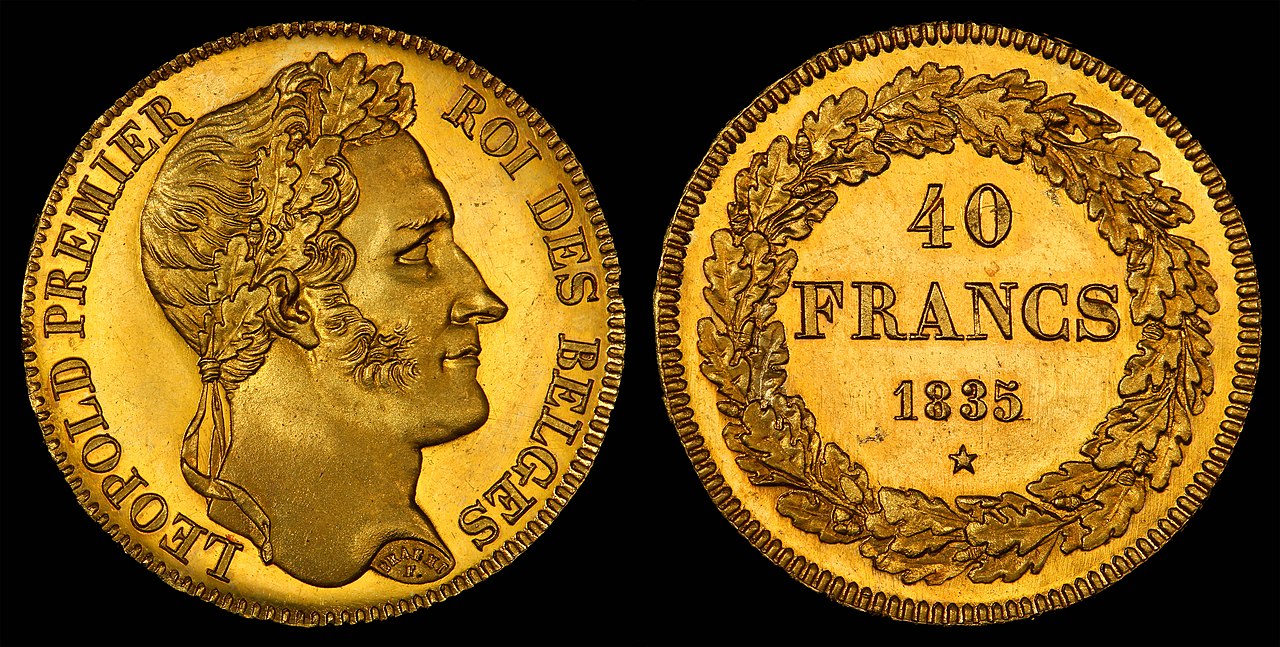
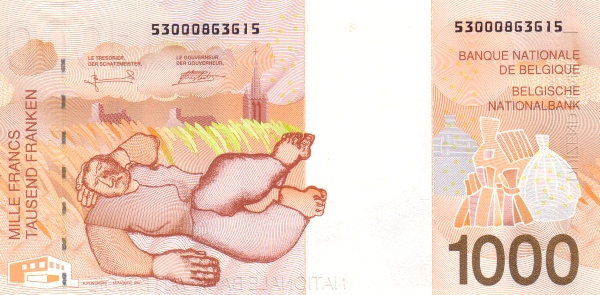


Denominations and design
Throughout its circulation the Belgian franc was struck in a variety of denominations to serve different uses. Coins covered small change — centimes and low-value franc pieces — up to larger silver or base-metal franc coins for everyday purchases; separate series of banknotes provided higher value units used in commerce and savings. Designs evolved over time to reflect changes in government, national symbols, notable cultural figures and modern security features. Many references collect visual examples and descriptive catalogues; see illustrations and catalogues, design archives and museum collections for images and technical descriptions.
Belgium is a multilingual country and banknote and coin legends sometimes reflected this fact. The appearance of the currency varies across different issues and years: metal composition, portraiture, inscriptions and security details were updated periodically. Specialist works and guides explain the varieties and help collectors identify rarities; useful starting points include standard numismatic guides.
History and monetary relations
The franc was first issued for Belgium in the 19th century as the nation established its institutions following independence. Over decades it experienced the economic cycles common to European currencies and took part in regional monetary arrangements. For long periods the Belgian franc circulated at parity with the Luxembourg franc and the two currencies were closely coordinated by bilateral agreements and shared practices; historical overviews and agreements are covered in broader historical summaries.
In the late 20th century European monetary integration led Belgium to join the euro area. The euro was introduced for non-cash electronic accounting on 1 January 1999 and euro banknotes and coins entered circulation in 2002, completing the physical currency changeover. The conversion between francs and euros was fixed by the adopting authorities; official information about conversion, rounding and exchange procedures is provided by national and European institutions (exchange information, central bank notices).
Legacy and collecting
After withdrawal from everyday use the Belgian franc remained of interest to historians, economists and numismatists. Surviving coins and banknotes are found in private collections, regional museums and research libraries. They illustrate changes in design, metallurgy and printing technology, and they document social and political history through imagery and inscriptions. Collectors study mint marks, issuing years and print runs to determine rarity and condition; museums and reference works provide stable documentation for these studies.
Today the Belgian franc is primarily a subject of historical study and collecting rather than circulation. For anyone researching designs, monetary history or practical issues of exchange and valuation, the links and institutional sources cited above are recommended starting points for reliable, contemporary information.
Questions and answers
Q: What was the Belgian franc?
A: The Belgian franc was a type of currency used in Belgium.
Q: When was the Belgian franc established?
A: The Belgian franc was established in 1848 in Belgium.
Q: What is the symbol used for the Belgian franc?
A: The symbol used for the Belgian franc is fr. or F.
Q: What currency replaced the Belgian franc?
A: The euro (€) replaced the Belgian franc on January 1, 1999.
Q: How does the value of the euro compare to the Belgian franc?
A: One euro has the same value as about forty Belgian francs.
Q: Was the Luxembourg franc similar to the Belgian franc?
A: Yes, the Luxembourg franc was nearly the same as the Belgian franc.
Q: Is the Belgian franc still in use?
A: No, the Belgian franc was replaced by the euro on January 1, 1999.
Related articles
Author
AlegsaOnline.com Belgian franc Leandro Alegsa
URL: https://en.alegsaonline.com/art/10226