
Belgian Congo (1908–1960): Colony, economy and legacy
The Belgian Congo was a central African colony administered by Belgium from 1908 until independence in 1960. It succeeded the Congo Free State and preceded the modern Democratic Republic of the Congo.
The Belgian Congo was the name of the territory in central Africa administered by the Kingdom of Belgium between 1908 and 1960. It succeeded the privately run Congo Free State, which had been the personal domain of King Léopold II, and later became the independent state now known as the Democratic Republic of the Congo. The formal transfer of authority from the king to the Belgian state was completed in November 1908 and inaugurated a new phase of colonial administration, economic exploitation and social transformation.
Image gallery
10 Images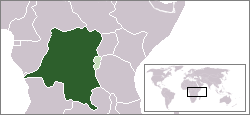



Historical background
The creation of the Belgian Congo followed intense international debate over the governance of the Congo basin and reports of abuses during the Congo Free State period. The Belgian parliamentary decision to assume control placed the territory under the authority of the Belgian government, which organised a centralized colonial administration and sought to regularise economic activities while maintaining strong political control.
Administration and institutions
Administration combined a metropolitan bureaucracy with provincial structures on the ground. Belgian officials, often trained for colonial service, directed policy and infrastructure projects. Missionary organisations were central to social services, especially education and healthcare, and worked alongside the colonial state to deliver limited public services. Indigenous political systems continued to matter locally, although their powers were frequently constrained by colonial law and indirect rule practices.
Economy, resources and labour
The colony's economy focused on extraction and export of natural resources and on agricultural production for overseas markets. Key commodities included rubber, copper, diamonds and palm oil, produced by private concessionaires and large mining companies. The colonial state invested in railways, ports and roads to link mines and plantations to international markets. Labour systems relied on wage labour, taxation that compelled participation in the cash economy, and a range of coercive practices; these measures profoundly affected communities and have been the subject of extensive historical criticism.
Society, culture and urbanisation
Mission education, missionary Christianity and urban growth reshaped social life. Towns such as Léopoldville (now Kinshasa) and Elisabethville (now Lubumbashi) became administrative and commercial centres, drawing migrants from rural areas. Social hierarchies reflected access to employment, language skills and ties to the colonial administration, while many communities preserved customary governance and cultural traditions.
Path to independence and legacy
Political organisation and nationalist movements increased after World War II, leading to independence on 30 June 1960. The rapid transition produced instability in the early post‑colonial years. The Belgian Congo's legacy is mixed: it left infrastructure, administrative frameworks and economic patterns, but also entrenched inequalities, social disruption and a contested history of human-rights abuses, particularly associated with the earlier Congo Free State era. For the role of metropolitan authorities and policy decisions, see the involvement of the Belgian government in colonial administration.
Historians continue to debate the long-term effects of colonial rule on the region's political development, economy and social structures. Understanding the Belgian Congo requires attention to both institutional continuities and the profound changes imposed by nearly half a century of colonial governance.
Related articles
Author
AlegsaOnline.com Belgian Congo (1908–1960): Colony, economy and legacy Leandro Alegsa
URL: https://en.alegsaonline.com/art/10223
Sources
- tlfq.ulaval.ca : République démocratique du Congo
- soc.kuleuven.be : Vlamingen en Afrikanen—Vlamingen in Centraal Afrika