
Bhopal State: history of the princely state of central India
Bhopal State was founded in 1723 and ruled by a line of Nawabs, including a notable period under the Begums. A British princely state from 1818–1947, it retained brief independence after 1947 before joining the Indian Union.
Overview

Image gallery
9 Images
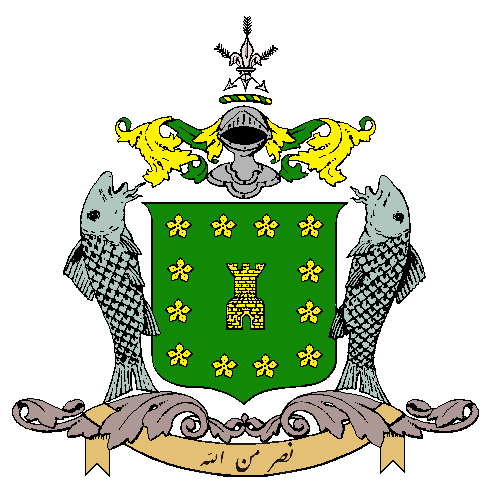


Government, rulers and the Begums
The state was ruled by a succession of Nawabs and is especially remembered for a long period in the 19th and early 20th centuries when a series of female rulers, known as the Begums of Bhopal, exercised authority. These rulers—among them Qudsia Begum, Sikandar Begum, Shah Jahan Begum and Sultan Jahan Begum—introduced administrative reforms, promoted education and public works, and left an enduring architectural and civic legacy in the capital.
Relationship with the British and twentieth-century transition
From about 1818 Bhopal entered into subsidiary arrangements with the British and functioned as a princely state under the suzerainty of the British Raj. The rulers retained internal autonomy while foreign policy and defence were overseen by the British. After the end of British rule in 1947 the Nawab initially sought to preserve the state's autonomy; for a short period following independence Bhopal exercised de facto independence before political pressure and negotiation led to its accession to the Indian Union in 1949.
Legacy and notable features
Bhopal's history is notable for the relative prominence of women in governance, for urban planning and civic projects initiated under the Begums, and for its blend of Islamic and local central Indian cultural traditions. Monuments, palaces and mosques in the city reflect that mixed heritage, and many institutions begun under princely rule continued after integration with India.
Key facts
- Founded: 1723 by Dost Mohammad Khan.
- Early capital: Islamnagar; later capital: Bhopal.
- Princely state under British suzerainty: c. 1818–1947 (princely state).
- Period of brief independence after 1947; accession to India followed in 1949.
Bhopal's experience illustrates the variety of political arrangements in pre‑independence India, the role of local dynasties, and the complicated process by which princely states joined modern nation‑states in South Asia. For more on the region's monuments and administrative history see linked resources and local archives (British era records, city heritage pages).
Related articles
Author
AlegsaOnline.com Bhopal State: history of the princely state of central India Leandro Alegsa
URL: https://en.alegsaonline.com/art/11196
Sources
- books.google.com : Merriam Webster's Geographical Dictionary, Third Edition
- commons.wikimedia.org : Bhopal State