
Tytonidae — the barn-owl family
Tytonidae, commonly called barn-owls, are a distinct family of nocturnal raptors with heart-shaped faces, silent flight, and acute hearing; they occupy many habitats worldwide and differ from true owls (Strigidae).
Overview
Tytonidae is the family of owls commonly known as barn-owls. Together with the true owls, they form the order of owls but are treated as a separate family because of distinctive anatomy and behavior. Members of Tytonidae are best known for their pale plumage, prominent heart-shaped facial discs, and often ghostly appearance in low light. The family includes well-known species such as the barn owl (Tyto alba) and several less familiar species sometimes called bay owls.
Image gallery
10 Images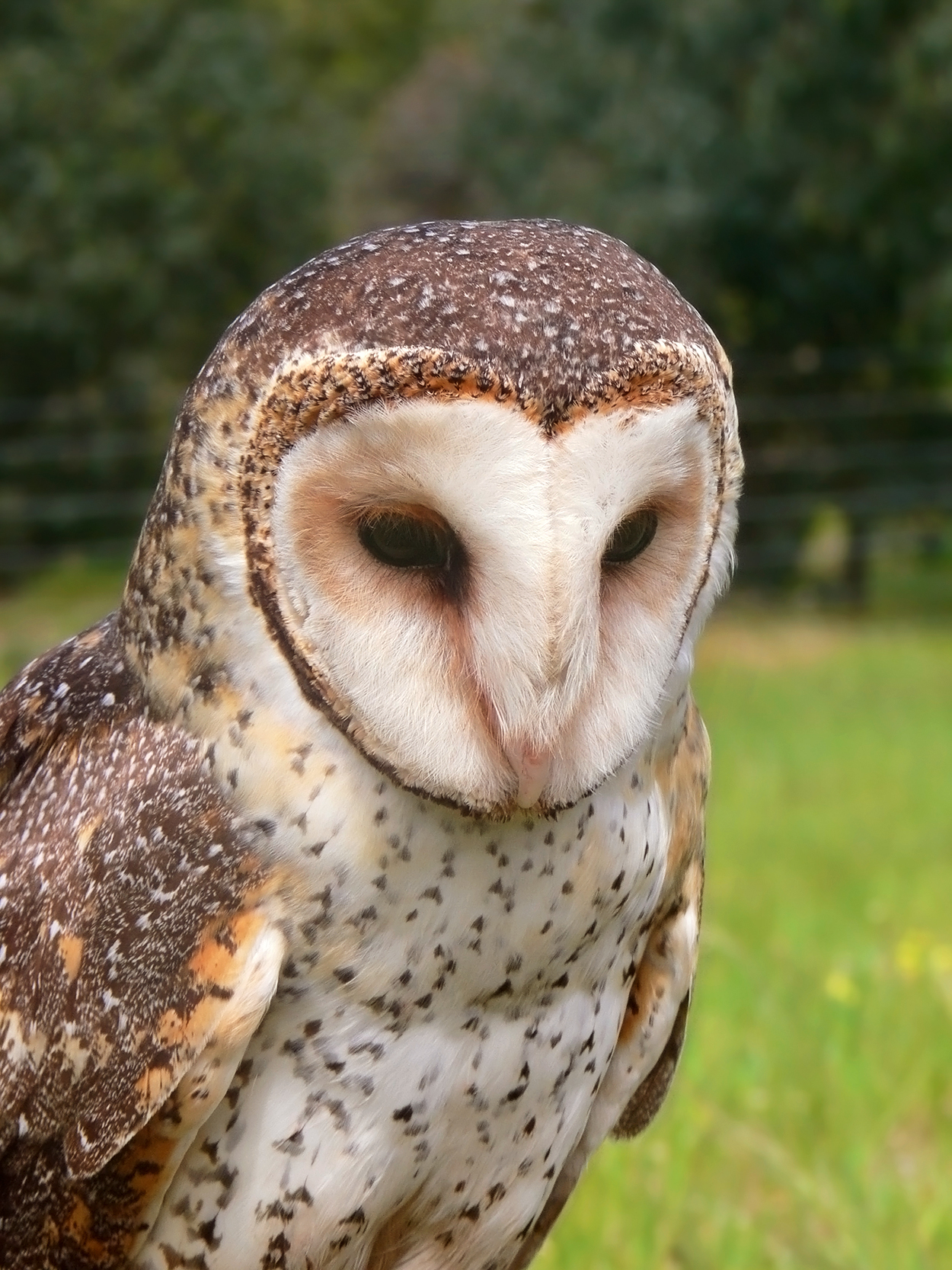




Key characteristics
Barn-owls share a set of morphological and sensory traits that suit a nocturnal hunting lifestyle. Notable features include:
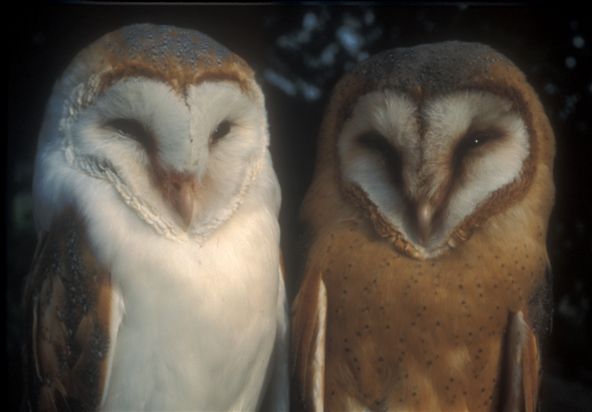
- Facial disc: A stiff, heart-shaped arrangement of feathers that focuses sound toward the ears and improves directional hearing.
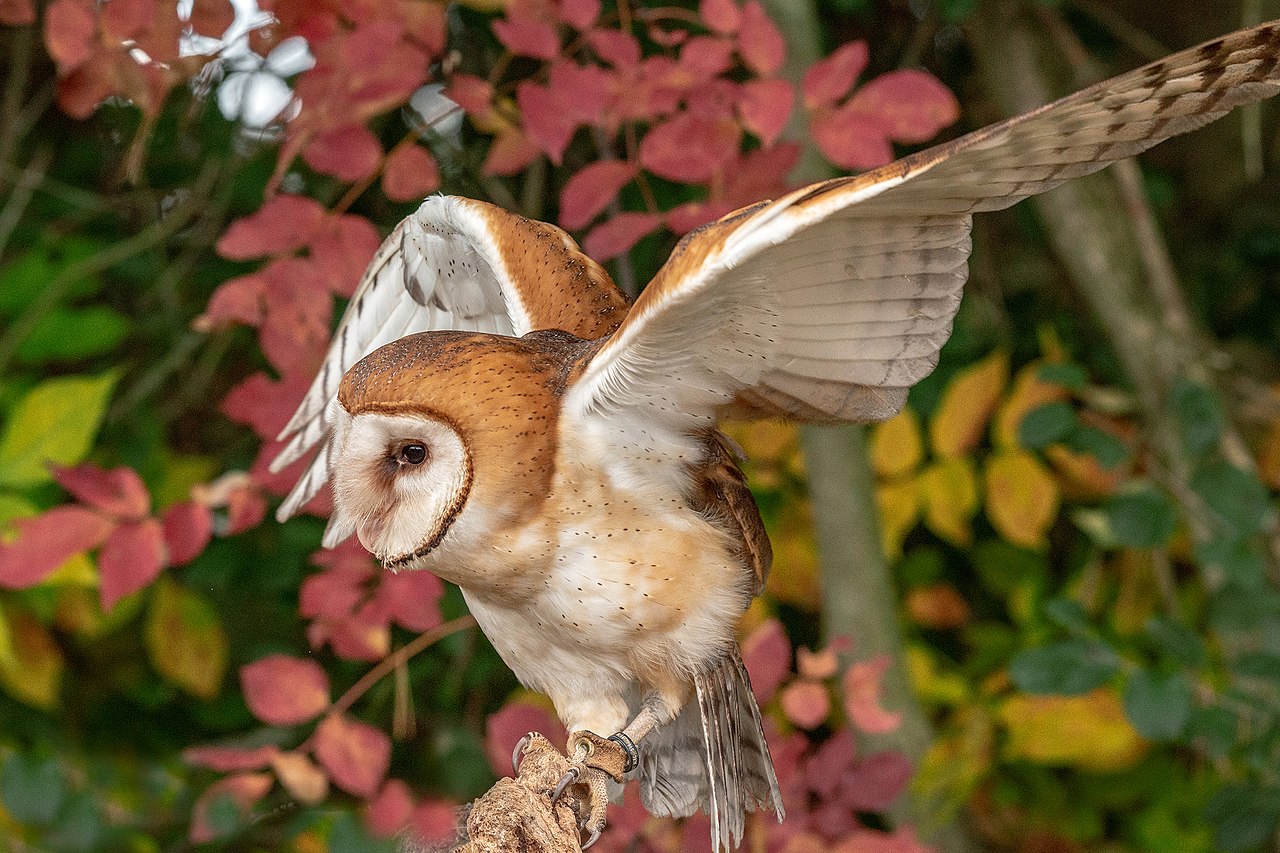
- Silent flight: Soft fringed primaries and velvety feather surfaces reduce aerodynamic noise, allowing wolves and rodents to be approached undetected.
- Legs and talons: Long legs and strong feet with sharp talons adapted for grasping small mammals and other prey.
- Vision and hearing: Excellent low-light vision combined with highly sensitive hearing; in some species ear openings are asymmetrical to help pinpoint prey.
Distribution and habitat
Tytonidae are widespread across many continents and ecological zones. They occur in agricultural landscapes, grasslands, woodland edges, and some forested regions, and they may be found from temperate latitudes into the tropics. They are, however, absent from certain extremes such as polar regions and extensive desert areas. For distribution comparisons, see resources on the two families of owls (two families of owls) and the true owls (Strigidae). Specific regional notes include limited presence in parts of northern North America (northern North America), Saharan zones (Saharan), and some areas of Asia (Asia), while they occupy many habitats from deserts to forests and into the tropics.
Behavior, diet and hunting
Most barn-owls are crepuscular or nocturnal hunters that feed primarily on small mammals such as rodents, though some species take birds, reptiles, or large insects. They typically search for prey by flying low and listening for rustling or movements, using their facial disc and acute hearing to locate prey even in complete darkness. Silent flight reduces the chance of alerting prey. Breeding and roosting sites often include human structures, hollow trees, or cliff ledges, which is why many species have long been associated with barns and old buildings.
Taxonomy, history and notable species
The family contains a handful of genera, most prominently Tyto, which includes the cosmopolitan barn owl complex, and the smaller genus Phodilus, commonly called bay owls. The split between Tytonidae and Strigidae reflects differences in skull shape, facial disc structure, vocalizations, and genetic evidence. The barn owl (Tyto alba) is the most familiar representative and has been depicted in human culture across many regions because of its widespread presence and nocturnal habits.
Conservation and human interactions
Population status varies by species and region. Some barn-owl populations have adapted well to agricultural landscapes where rodent prey is abundant; others face threats from habitat loss, road mortality, and secondary poisoning from rodenticide use. Conservation actions commonly include protecting nesting sites, installing nest boxes, and reducing the use of harmful poisons. Their role as natural rodent controllers gives them ecological and practical value in many farming systems.
Questions and answers
Q: What are barn-owls?
A: Barn-owls are one of the two families of owls, and they are medium to large sized owls with large heads and heart-shaped faces.
Q: What is the other family of owls?
A: The other family of owls is the true owls, Strigidae.
Q: Where are barn-owls not found?
A: Barn-owls are not found in northern North America, Saharan Africa, and large areas of Asia.
Q: What kind of habitats do barn-owls live in?
A: Barn-owls live in a wide range of habitats from deserts to forests, and from temperate latitudes to the tropics.
Q: What is the main characteristic of barn-owls?
A: The main characteristic of barn-owls is the heart-shaped facial disc formed by stiff feathers, which helps to amplify and locate the source of sounds when the bird hunts.
Q: How do the adaptations to the wing feathers of barn-owls help them hunt?
A: The adaptations to the wing feathers of barn-owls eliminate sound caused by flying, which helps both the owl's hearing, and keeps the prey unaware of the owl.
Q: When do barn-owls hunt and how do they use sound to detect prey movement?
A: Barn-owls hunt mainly at dusk and night-time, and they use sound to detect prey movement. The owl's hearing is sensitive, and its wings are almost silent.
Related articles
Author
AlegsaOnline.com Tytonidae — the barn-owl family Leandro Alegsa
URL: https://en.alegsaonline.com/art/102397