
Tupolev Tu-144 — Soviet supersonic transport aircraft
Soviet-built supersonic transport. The Tu-144 was the first airliner to exceed the speed of sound. Sixteen were built; it saw brief airline service with Aeroflot and later served in testing and research.
Overview
The Tupolev Tu-144 was a Soviet long-range supersonic transport developed in the 1960s. It achieved the distinction of being the first purpose-built airliner to fly faster than the speed of sound and made its maiden flight on December 31, 1968. The airliner was produced in very small numbers—only sixteen airframes in total—and was operated in civil service only by the Soviet national carrier, Aeroflot. The Tu-144 is often compared with the Anglo‑French Concorde because both were contemporary supersonic transports developed for commercial use; the two programs were independent but shared similar goals (Concorde).
Image gallery
10 Images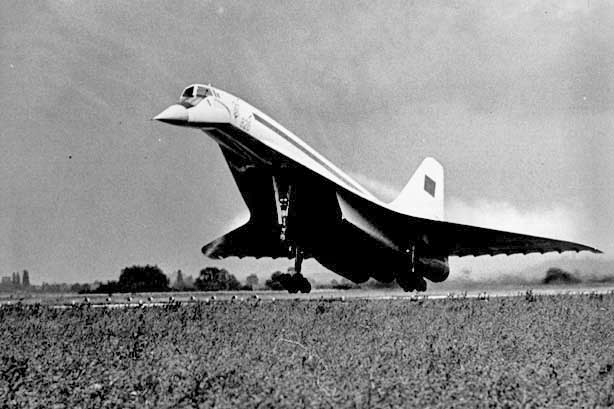




Design and characteristics
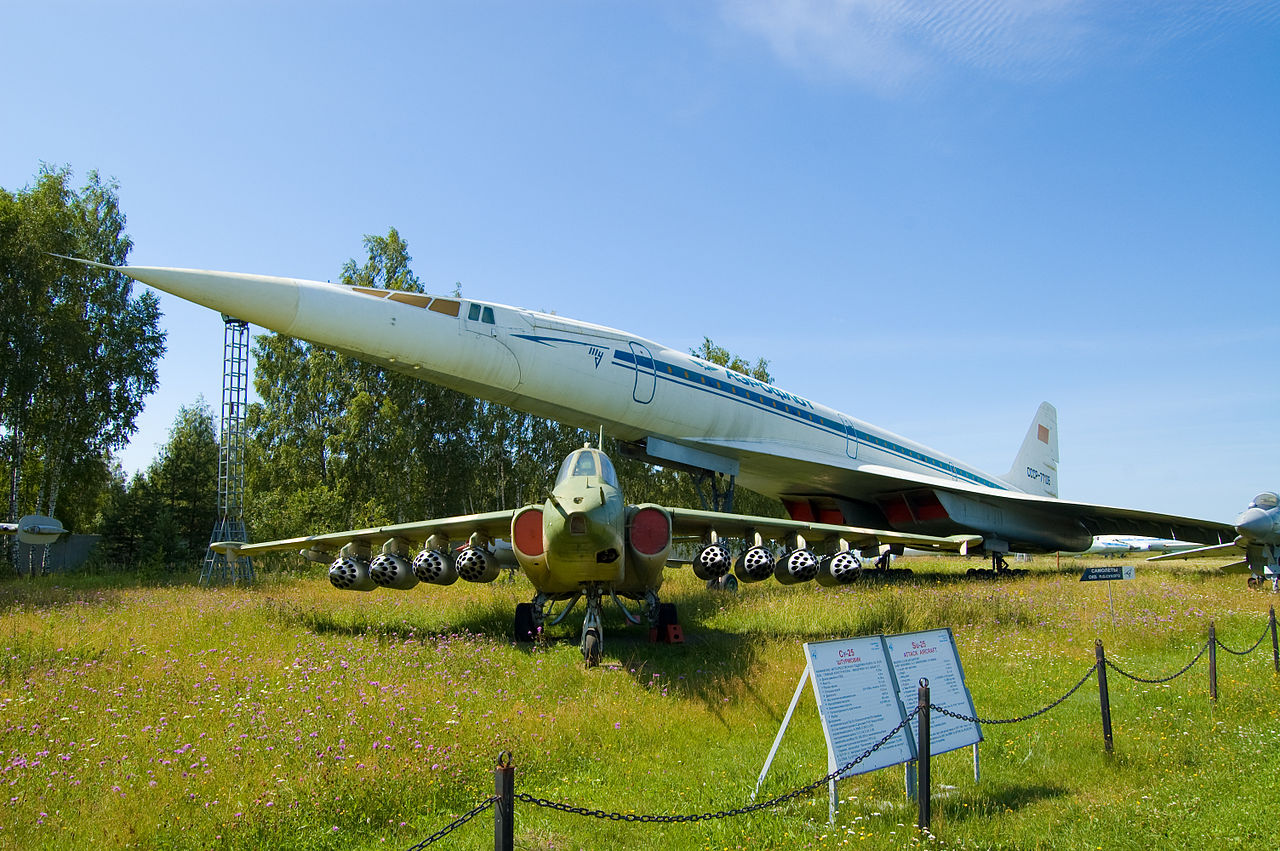
The Tu-144 used a slender fuselage and a sharply swept delta wing to sustain stable flight at high supersonic speeds, roughly around Mach 2 under typical conditions. To improve low-speed handling during takeoff and landing it incorporated retractable canard surfaces ahead of the wing, a distinguishing feature compared with some other SSTs. The airframe and engines emphasized high-speed cruise, which produced trade-offs in fuel efficiency, range, and noise compared with subsonic airliners.
Development and service history
The Tu-144 emerged from a Cold War era push to match or surpass Western aerospace achievements. Development moved rapidly through the late 1960s, culminating in the December 1968 first flight that established the type as the earliest supersonic airliner to exceed Mach 1 in flight (supersonic flight). Despite rapid technical progress, the program faced engineering challenges, high operational costs, and concerns about noise and safety that limited its commercial potential. Only a handful of aircraft entered scheduled passenger service briefly during the 1970s.
Operational use, incidents, and later roles
Operational experience with the Tu-144 was short-lived for passenger service. A high-profile accident at an air show in 1973 and subsequent technical difficulties curtailed public operations and accelerated withdrawal from scheduled transport duties. After the end of airline service the type was retained for experimental work, systems testing and as a platform for aeronautical research rather than regular commercial flights. The small fleet and the program's mixed safety and economic record meant that the Tu-144 did not enter sustained airline use.
Legacy and notable facts
The Tu-144 remains an important chapter in the history of supersonic transport: it was a pioneering design that demonstrated the technical possibility of commercial supersonic flight from the Soviet side. Its unique design solutions—such as canards on a delta wing airliner—contributed data and experience to later aerospace work. Today, surviving Tu-144 airframes are regarded as museum exhibits and technical artifacts illustrating the ambitions and limits of SST development in the Cold War era. For general context on SST programs and comparisons, see further resources on early commercial supersonic aircraft (airliner history) and supersonic aviation research (supersonic flight, Concorde).
Summary
- Maiden flight: December 31, 1968.
- Number built: sixteen.
- Primary civil operator: Aeroflot.
- Role after passenger service: testing and research platform.
Related articles
Author
AlegsaOnline.com Tupolev Tu-144 — Soviet supersonic transport aircraft Leandro Alegsa
URL: https://en.alegsaonline.com/art/102043