
Tropical Upper Tropospheric Trough (TUTT)
A TUTT is an upper‑tropospheric trough in the tropics that influences convection and tropical cyclone behavior by altering upper‑level flow, shear, and outflow.
Overview
The Tropical Upper Tropospheric Trough (TUTT) is an elongated region of lower pressure and cyclonic curvature located in the upper troposphere, typically near the 200 hPa level. It exists within the tropics and subtropics and represents a distinct type of upper‑level trough that differs from midlatitude systems in origin and maintenance. The TUTT modulates large‑scale vertical motion and upper‑level wind patterns, affecting convection and the life cycle of tropical weather systems. See the conceptual upper-level trough for related structure descriptions.
Image gallery
1 Image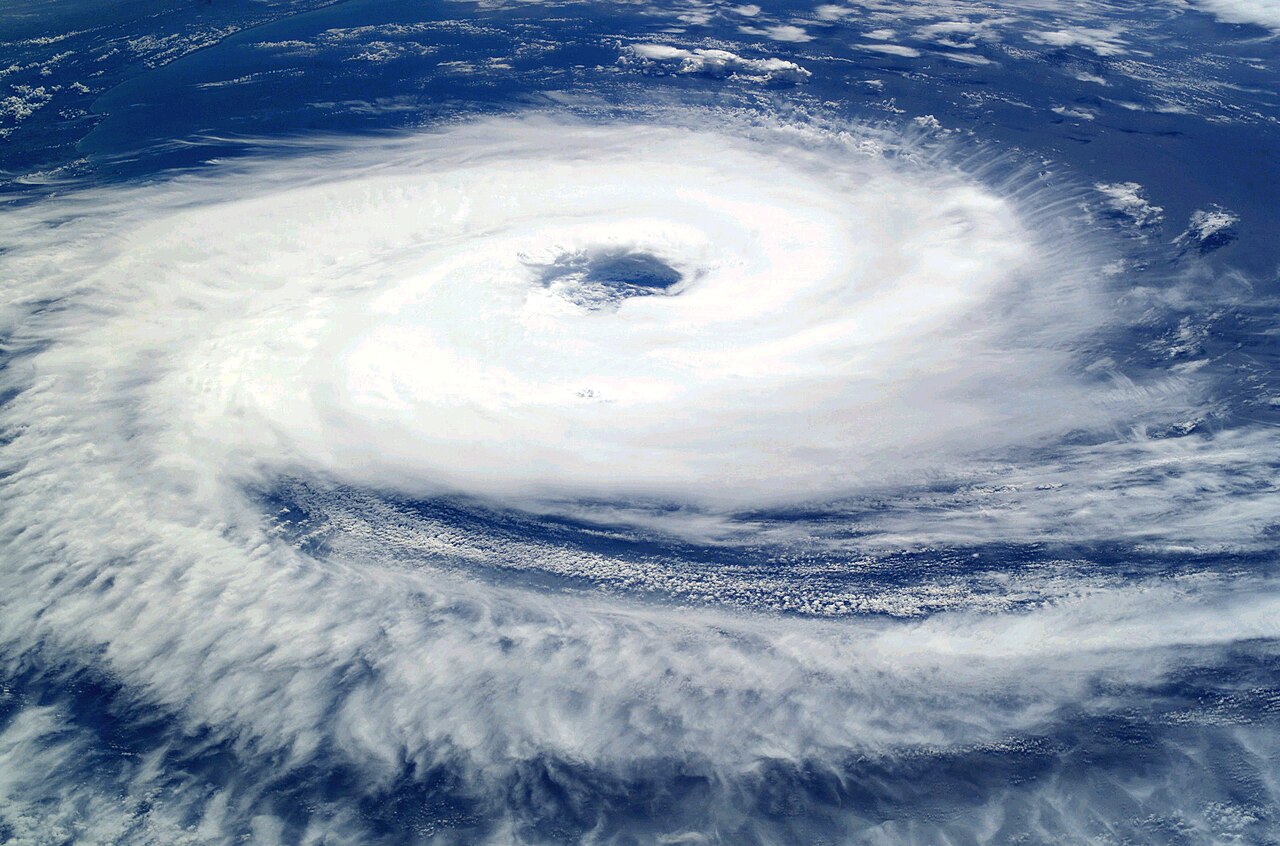
Structure and characteristics
TUTTs are characterized by a ribbon of relatively cold temperatures aloft and cyclonic vorticity at upper levels. They often present as an extended, tilted trough or a series of embedded upper lows. Unlike midlatitude troughs, TUTTs may be maintained by a balance between subsidence warming near the tropopause and radiative cooling, rather than by baroclinic processes. They are primarily a feature of the tropics and subtropics and are most prominent during seasons when the subtropical jet and midlatitude westerlies expand equatorward.
Formation and dynamics
TUTTs commonly form when westerly disturbances or troughs expand toward the tropics, or when an inverted trough develops near an upper‑level anticyclone. The dynamics involve upper‑level vorticity advection, differential temperature gradients, and interactions with deep convection. Vertical motion associated with TUTTs can be either suppressing or lifting for convective layers, depending on local heating and the trough’s orientation relative to low‑level moisture and instability. Processes near the tropopause that balance radiative cooling and subsidence warming help sustain these features; more details are described in studies of the tropopause region.
Impacts on tropical weather and cyclones
TUTTs influence tropical disturbances in multiple ways. They often increase upper‑level vertical wind shear, which can inhibit the organization of convection and slow tropical cyclone development. Conversely, under favorable alignment a TUTT can enhance convection by providing forced ascent and by improving upper‑level divergence, creating an efficient outflow channel for a developing storm. As a result, TUTTs can either suppress nearby disturbances or help intensify tropical cyclones, depending on the geometry and phase of interaction.
Observations, forecasting and significance
Meteorologists monitor TUTTs with satellite imagery, upper‑air analyses, and numerical weather prediction models because their presence alters convection patterns and storm tracks. Forecasts assess how a TUTT’s shear and upper‑level divergence will interact with low‑level vorticity and sea surface temperatures. In some cases a mature TUTT will deepen into an upper cold low, which can further modify the environment for surface disturbances.
Notable distinctions and practical notes
- TUTTs are upper‑tropospheric features rather than surface lows and are maintained by different thermodynamic balances than midlatitude troughs.
- Their effect on tropical cyclones is context‑dependent: location and timing determine whether they suppress or aid development.
- Operational forecasters treat TUTT interactions as important modulators of convection across the tropics and subtropics.
For further technical descriptions and diagrams consult specialized synoptic texts and regional forecast guidance where TUTT dynamics are analyzed in relation to seasonal circulation patterns.
upper-level trough | tropics | tropopause | vertical wind shear | disturbances | cyclones | outflow channel
Related articles
Author
AlegsaOnline.com Tropical Upper Tropospheric Trough (TUTT) Leandro Alegsa
URL: https://en.alegsaonline.com/art/101731