
Tropical cyclone basins
Geographic regions where tropical cyclones typically form. Describes the seven standard basins, their characteristics, seasonal behavior, monitoring, and notable differences.
Overview
Tropical cyclone basins are the major ocean regions where organized tropical storms and hurricanes/typhoons regularly develop. Meteorologists divide the globe into seven conventional basins to describe where these systems form, how they behave, and which agencies monitor them. The basins reflect broad patterns of sea-surface temperature, atmospheric circulation, and seasonal rhythms that favor cyclogenesis. For a general primer on how storms form see tropical cyclone formation.
Image gallery
10 Images
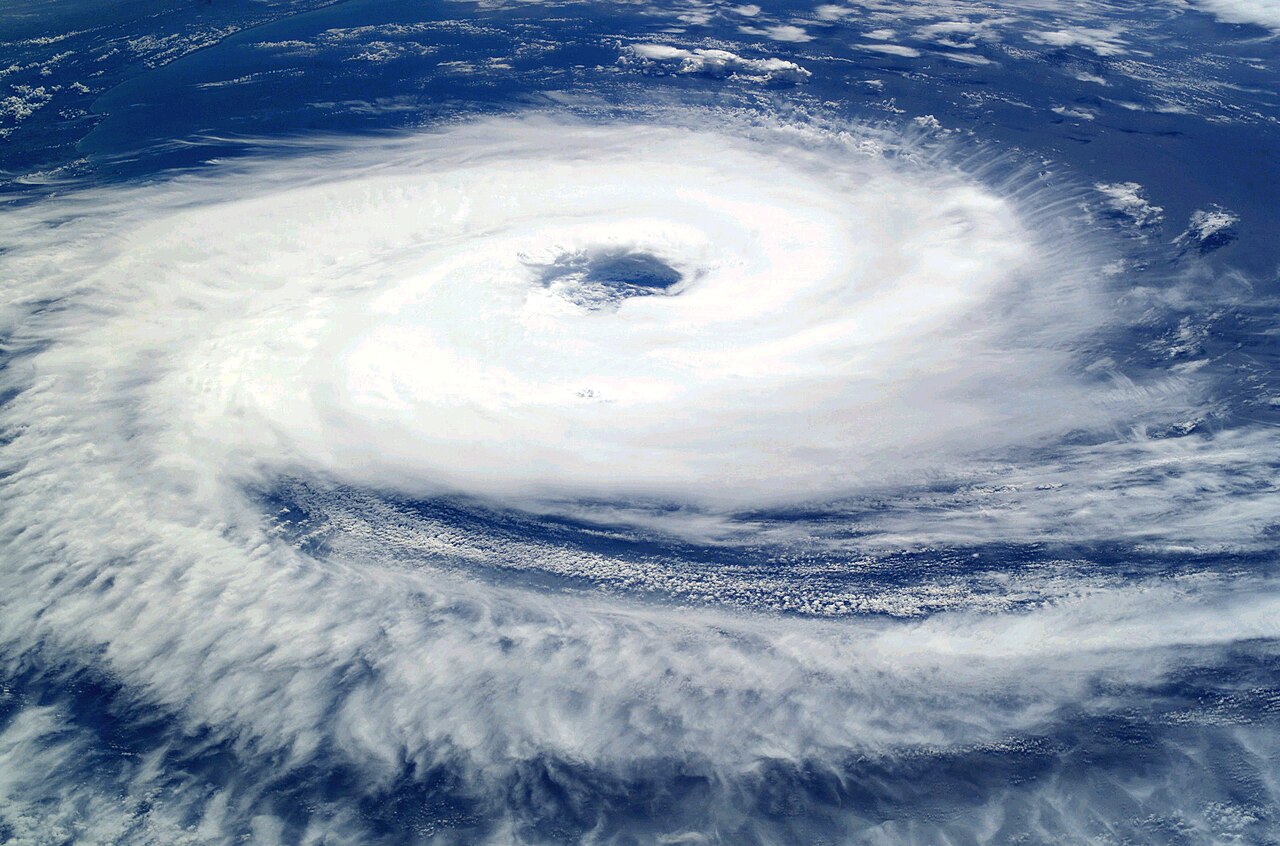


Primary basins
The seven commonly recognized basins are listed below; each has its own climatology and naming conventions.
- North Atlantic — the area affecting the Caribbean, Gulf of Mexico, and U.S. East Coast; commonly referenced as the Atlantic basin (Atlantic).
- Eastern North Pacific — off the west coast of Mexico and Central America; frequent storms form here but many move away from land (Pacific regions).
- Western North Pacific — the basin that produces the most intense tropical cyclones, called typhoons in this region (Pacific).
- North Indian Ocean — includes the Bay of Bengal and Arabian Sea; seasonality and monsoon interactions distinguish it (Indian Ocean).
- Southwestern Indian Ocean — off eastern Africa and Madagascar (Indian Ocean).
- Southwestern Pacific — east of Australia and around island nations; storms are tracked by regional centers.
- Southeastern Indian Ocean — south of Indonesia and west of Australia.
Characteristics and influences
Each basin differs in typical season timing, typical storm tracks, and intensity potential. Factors include sea-surface temperatures, vertical wind shear, the Coriolis effect, and regional monsoon flows. Naming lists, warning responsibilities, and intensity scales are managed by regional meteorological centers, leading to differing practices between basins.
History and monitoring
The basin framework developed as observations increased from ships, coastal stations, satellites, and aircraft reconnaissance. Modern monitoring combines satellite imagery, numerical models, and regional warning centers to provide forecasts and warnings tailored to each basin’s characteristics.
Importance and distinctions
Understanding basins helps emergency planners, forecasters, and researchers anticipate seasonal risk and compare storms across ocean basins. Notable distinctions include different regional names (hurricane, typhoon, cyclone), contrasts in seasonality between hemispheres, and the fact that the central tropical Pacific sees fewer formations, which is why eastern and western Pacific are treated separately.
Related articles
Author
AlegsaOnline.com Tropical cyclone basins Leandro Alegsa
URL: https://en.alegsaonline.com/art/101658