
Tropical Storm Gamma (2005)
Late-season cyclone of the record 2005 Atlantic hurricane season that formed in the eastern Caribbean, briefly reached tropical storm strength in November, and produced localized impacts without a direct landfall.
Overview
Tropical Storm Gamma was one of several unusual late-season cyclones in the record-breaking 2005 Atlantic hurricane season. It developed in the eastern Caribbean Sea and persisted intermittently in mid to late November. Although Gamma never made a confirmed landfall as a tropical cyclone, it produced strong winds, heavy rain, and localized damage in parts of the Lesser Antilles and Central America before dissipating.
Image gallery
8 Images



Meteorological history and characteristics
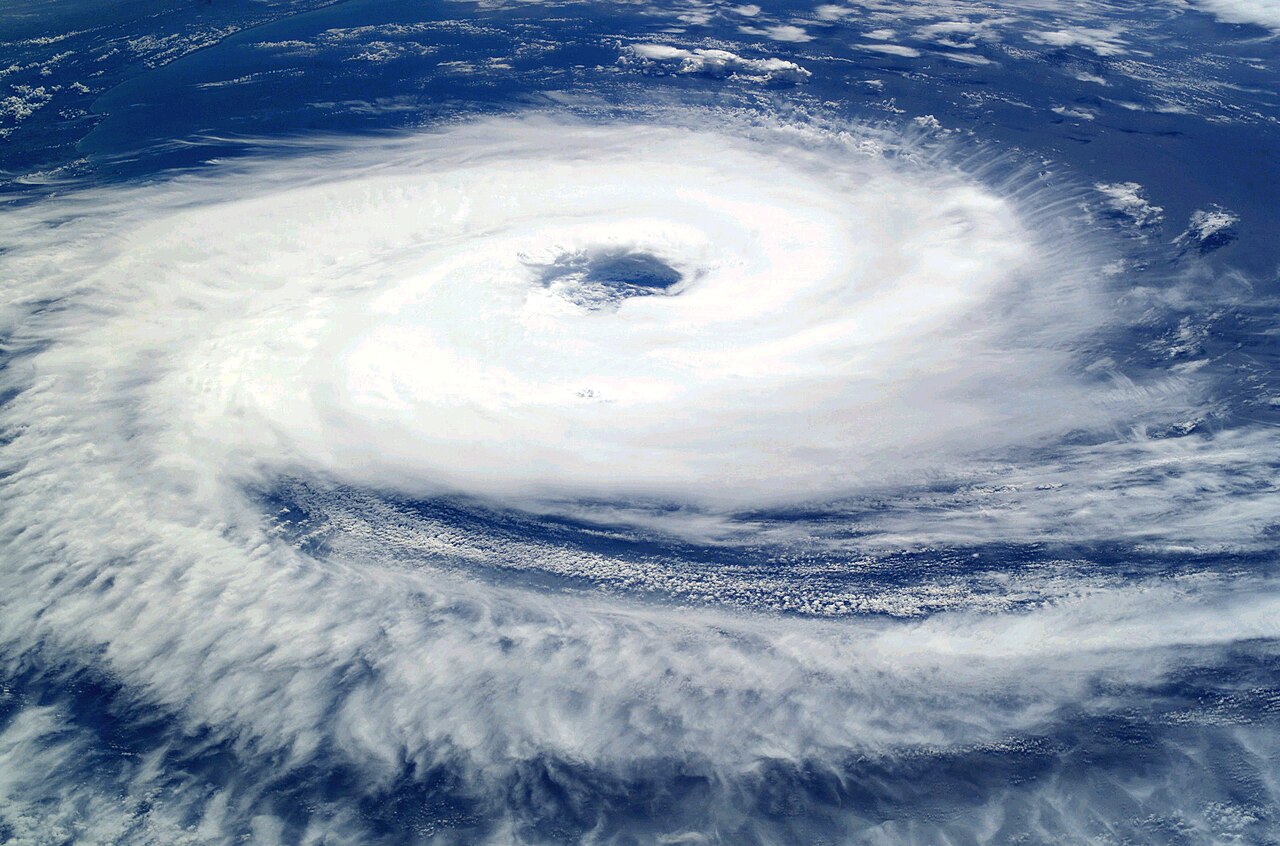
Gamma formed from a disorganized area of low pressure that consolidated over warm Caribbean waters. Environmental factors such as persistent wind shear and interaction with nearby weather systems limited its development and caused periods of weakening. The system briefly strengthened into a tropical storm around mid-November and again on November 18, maintaining tropical-storm intensity for a short interval before losing organization and dissipating off the coast of Honduras.
Impacts
Gamma did not make landfall as a well-defined tropical cyclone, but its outer bands affected island and coastal areas. The storm brought heavy rainfall to parts of the Lesser Antilles, causing localized flooding and infrastructure disruption. Central American countries near the western Caribbean reported heavier rains and associated damage, particularly where terrain-enhanced runoff and vulnerable communities amplified flooding risk. Overall, impacts were limited compared with major hurricanes but notable for a late-season tropical storm.
Significance and distinctions
Tropical Storm Gamma is often cited as part of the exceptionally active 2005 season, which exhausted the standard list of storm names and required the use of Greek-letter designations. Gamma illustrates how warm ocean temperatures late in the year can support tropical cyclones, while strong shear or competing atmospheric features can prevent them from reaching hurricane strength. Its short-lived nature and offshore dissipation are typical of many late-season Caribbean disturbances.
Further reading
- Seasonal summary and chronology: 2005 Atlantic hurricane season
- Regional effects and reports: eastern Caribbean observations
- Environmental influences on Gamma: shear analyses at wind shear summaries
Questions and answers
Q: What was Tropical Storm Gamma?
A: Tropical Storm Gamma was the twenty-fourth named storm of the 2005 Atlantic hurricane season.
Q: Where did Tropical Storm Gamma form?
A: Tropical Storm Gamma formed in the eastern Caribbean Sea.
Q: What caused Tropical Storm Gamma's demise?
A: Tropical Storm Gamma quickly died a few days later from wind shear.
Q: Did Tropical Storm Gamma make landfall?
A: No, Tropical Storm Gamma never made any landfall.
Q: Did Tropical Storm Gamma cause any damages?
A: Yes, Gamma caused minor damages in the Lesser Antilles and medium damages in Honduras.
Q: When did Tropical Storm Gamma restrengthen?
A: Tropical Storm Gamma restrengthened on November 18.
Q: When did Tropical Storm Gamma die off the coast of Honduras?
A: Tropical Storm Gamma died off the coast of Honduras on November 20.
Related articles
Author
AlegsaOnline.com Tropical Storm Gamma (2005) Leandro Alegsa
URL: https://en.alegsaonline.com/art/101708
Sources
- nhc.noaa.gov : "NHC's Gamma Report"
- news.yahoo.com : (Link dead as of January 15, 2007)
- reporter.bz : "Reporter.bz - Belize News - The # 1 News Source in BELIZE"
- news.yahoo.com : news.yahoo.com
- newsdaily.com : newsdaily.com
- usunrome.usmission.gov : usunrome.usmission.gov
- wwwnotes.reliefweb.int : "Honduras: Ayuda internacional fluye con inmediatez"