
Tulku: Reincarnate Lamas in Tibetan Buddhist Tradition
A tulku is a Tibetan Buddhist lama believed to intentionally choose rebirth to continue spiritual work. This article explains origins, recognition practices, roles, history, and contemporary issues.
Overview
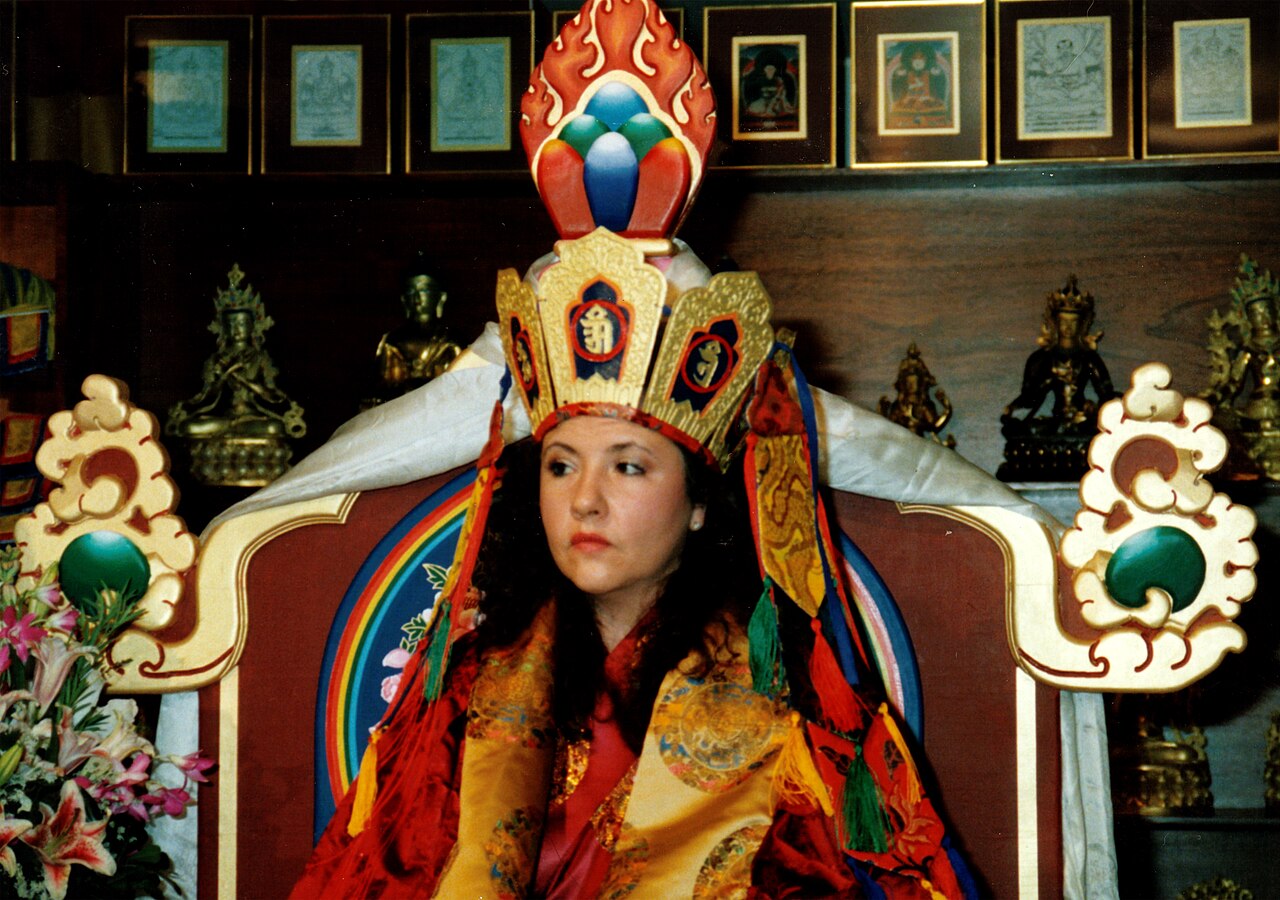
A tulku (Tibetan trülku, sometimes tülku) is a person in Tibetan Buddhism traditionally recognized as the conscious reincarnation of a previous master. Tulkus are thought to take rebirth in order to continue work begun in earlier lives, often in service of the Bodhisattva vow to relieve suffering. The institution is most familiar through the lineage of the Dalai Lamas, and large tulku lineages exist across Tibetan, Mongolian, and Himalayan Buddhist schools.
Image gallery
10 Images


Characteristics and recognition
Being recognized as a tulku involves cultural and religious processes rather than a single universal test. Common traditional indicators include:
- prophetic visions or instructions left by the previous holder;
- tests in which a child identifies personal belongings of the deceased teacher;
- astrological signs, omens, and divinations performed by senior lamas;
- formal confirmation by religious authorities and monastic institutions.
History and major lineages
The tulku system developed within Vajrayana Buddhist cultures. Many schools trace long-running tulku lines: the Karma Kagyu tradition regards the Karmapas as one of the earliest continuous tulku lineages, often dated to Düsum Khyenpa (1110–1193). The Dalai Lama line, commonly said to begin with Gendun Drup (1391–1474), became politically prominent from the 17th century onward. The practice also spread among Mongolian and Himalayan peoples, where local terms and titles reflect regional languages and customs.
Roles, functions, and everyday importance
Tulkus may serve as ritual specialists, monastic heads, teachers, and community leaders. Their recognized status can help preserve teachings, texts, and institutional continuity, because a single spiritual lineage can continue across generations. Training combines scholarly study, meditative practice, and administrative preparation when a tulku will inherit a monastery's responsibilities.
Regional names, translations, and distinctions
Outside Tibetan speech areas, different terms have been used: in Mongolian the words qubilγan or the honorific qutuγtu/hutagt are common; in modern Chinese popular usage tulku is sometimes rendered as huófó (活佛), literally "living Buddha." Scholars distinguish the tulku institution from general Buddhist beliefs in rebirth: a tulku is specifically a recognized reincarnation tied to institutional lineage and vocational continuity, not simply any reborn person.
Contemporary issues and notable facts
In recent centuries the tulku system has adapted to political change, colonial encounters, and global attention. Debates continue about authenticity, secularization, and the role of state authorities in recognition. Some modern figures have sought international teaching roles, bringing the tulku model into global Buddhist communities. For further reading on historical developments and modern scholarship, see resources linked here: Tibetan lama traditions, tulku studies, and comparative materials at Vajrayana overviews and other site guides Karmapa history.
Related articles
Author
AlegsaOnline.com Tulku: Reincarnate Lamas in Tibetan Buddhist Tradition Leandro Alegsa
URL: https://en.alegsaonline.com/art/101983
Sources
- asiaquarterly.com : "Tulkus in Tibet"