
Bone marrow: structure, function, and clinical significance
Bone marrow is the soft tissue inside bones that produces blood cells, stores fat, and supports immune function; its health is vital for diagnosis and treatments such as transplants.
Overview
Bone marrow is a soft, spongy tissue located in the cavities of many bones, especially the central skeleton and the ends of long bones. It occupies spaces within hollow bones and serves as a primary site of blood and immune cell formation in adults.
Image gallery
5 Images


Types and components
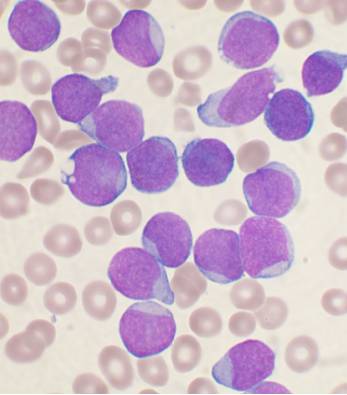
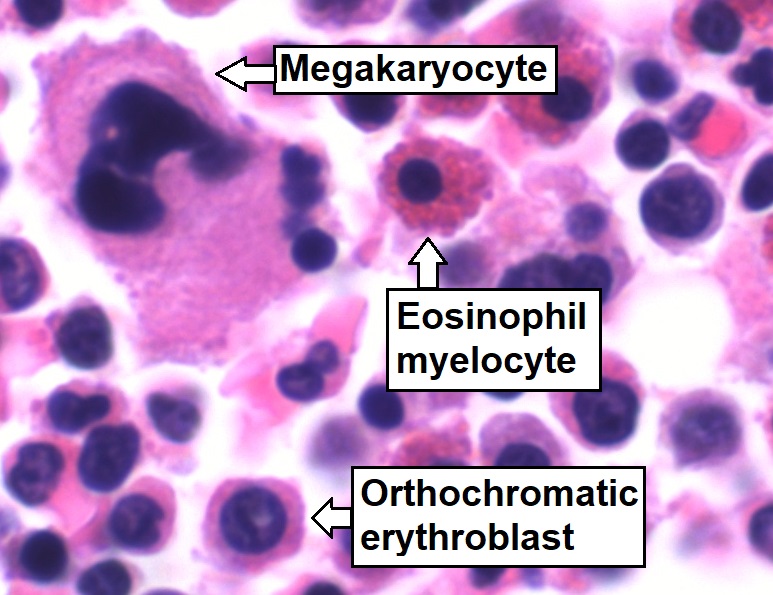
Two broad types are commonly described: red marrow, rich in blood-forming (hematopoietic) cells, and yellow marrow, dominated by fat cells and connective tissue. The marrow contains stem and progenitor cells, supporting stromal cells, blood-forming cells and developing precursors.
- Hematopoietic stem and progenitor cells (give rise to all mature blood cells)
- Developing erythrocytes, leukocytes and platelets
- Stromal cells, fat (adipocytes) and blood vessels
Function
The marrow produces most of the body's circulating blood cells, including red blood cells that carry oxygen, white blood cells that participate in immunity, and platelets that help with clotting. It also provides a microenvironment, or niche, that regulates stem cell maintenance and differentiation, and it acts as a reservoir of fat and growth factors.
Medical importance and uses
Bone marrow is central to many clinical practices: samples obtained by biopsy or aspiration help diagnose infections, anemias, and cancers such as leukemia; transplanted marrow or hematopoietic stem cells can restore blood formation after chemotherapy or bone marrow failure. Common disorders involving marrow range from marrow suppression to infiltrative diseases.
Development, distribution and notable facts
During development hematopoiesis shifts from yolk sac and liver to the marrow. In adults red marrow is concentrated in the pelvis, skull, vertebrae, ribs and proximal long bones, while yellow marrow predominates in the shafts of long bones and increases with age. Bone marrow constitutes a small fraction of body mass—often cited as about 4% of an adult human's weight, roughly about 2.6 kg—and remains a key focus of biomedical research and clinical care.
Related articles
Author
AlegsaOnline.com Bone marrow: structure, function, and clinical significance Leandro Alegsa
URL: https://en.alegsaonline.com/art/12874