
Transmission tower
A transmission tower (pylon) is a tall structure that supports high-voltage overhead power lines, providing mechanical support, electrical insulation and safe clearance for conductors across distances.
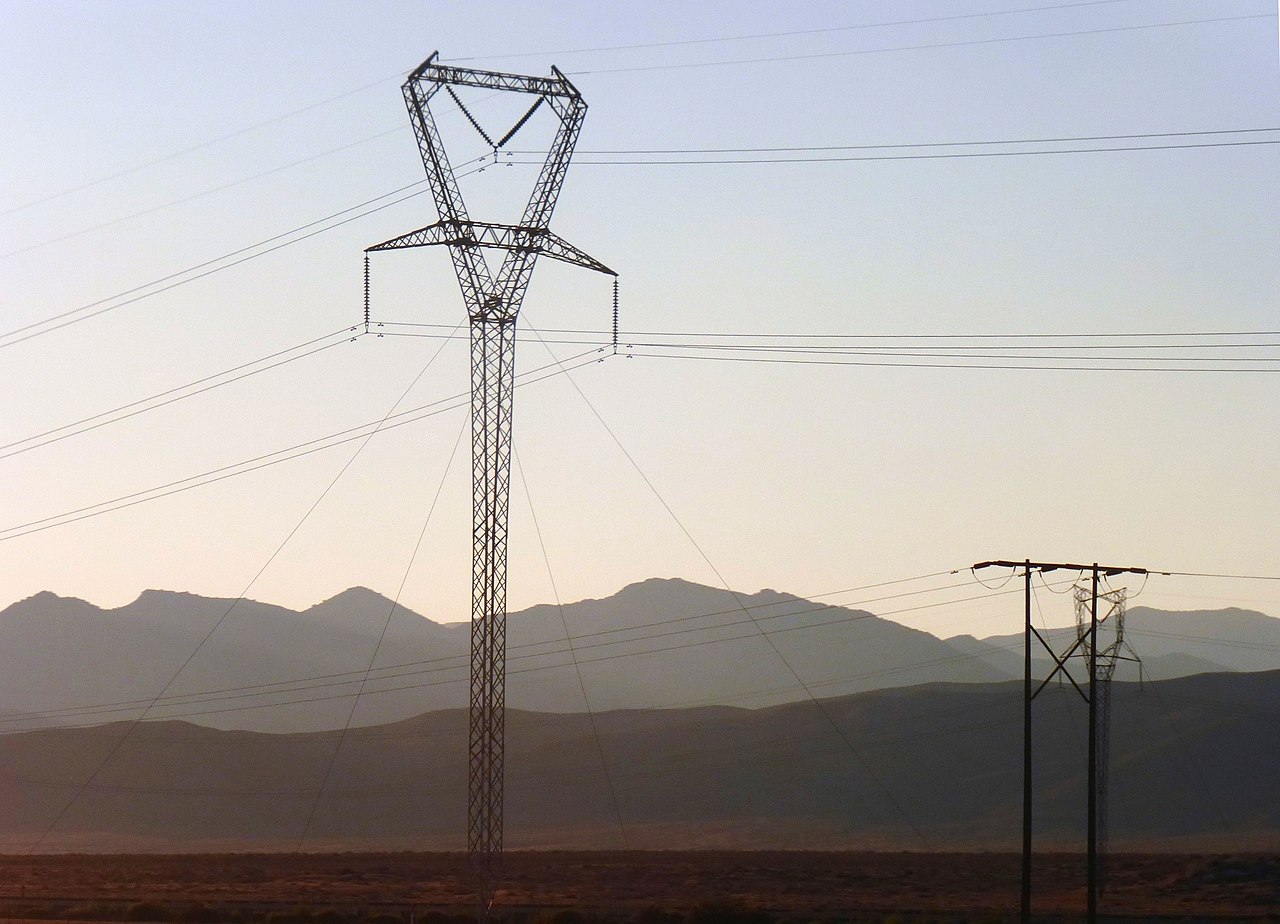
A transmission tower, often called a pylon in many regions (or locally as an ironman or hydro tower), is a tall freestanding or guyed structure that supports conductors used in electric power transmission. Its primary roles are to hold the lines at a safe distance above ground, provide mechanical tension and spacing between phases, and to keep energized conductors away from people, vegetation and property.
Image gallery
10 Images




Characteristics and main parts
Towers carry the electrical conductors—commonly termed wires—and frequently support an overhead power line shield or earth wire. Components include the tower body, crossarms or arms that separate phases, porcelain or polymer insulators that prevent current flow to the structure, foundations, and lightning protection. The structures are sized and arranged to accommodate high-voltage circuits and to preserve required clearances for safety and reliability.
Types and design
Tower designs vary to suit voltage, span length, terrain and costs. Common forms include lattice steel frameworks, single tubular columns, and wooden pole lines. Typical categories are:
- Lattice towers—steel frameworks that are economical for tall or heavy-duty spans (lattice steel).
- Monopoles—single hollow or solid steel columns used in urban areas to reduce footprint.
- Wood and concrete poles—shorter supports used for lower voltages or where cost and logistics favour wood or concrete.
- Guyed masts and H-frames—specialized forms for long spans, river crossings or to carry multiple circuits, sometimes using steel poles.
Design choices affect visual impact, maintenance access, structural redundancy and the way lines are terminated or anchored at corners and dead-ends.
History, uses and significance
Transmission towers evolved as electrical networks expanded beyond local generation, moving from simple wooden poles to robust steel lattice structures that could carry higher voltages and longer spans. They remain essential infrastructure for transmitting bulk electric power between generation sites, substations and regional grids. Proper design ensures system stability, supports interconnection of resources and helps utilities manage load flow across distances.
Beyond technical function, towers are considered in planning for landscape effects, aviation and wildlife. Regular inspection, vegetation management and the addition of bird diverters or marker balls can reduce environmental and safety risks. When lines are retired, towers are dismantled or repurposed according to local regulations, reflecting their long-term role in electrified societies.
For more technical detail on standards, routing and construction practice consult industry guides and regulatory documents: nomenclature, transmission planning, or component references for conductors and wires. For comparisons of materials and structures see resources on lattice steel, wood, concrete and steel poles.
Related articles
Author
AlegsaOnline.com Transmission tower Leandro Alegsa
URL: https://en.alegsaonline.com/art/101178