
Tripod (photography)
A three-legged support that stabilizes cameras and other optical devices for sharp images, long exposures, and precise composition; covers parts, types, uses, and choosing guidance.
A tripod is a three‑legged support used to steady cameras, binoculars, spotting scopes and other equipment. By providing a fixed, vibration‑free platform it allows photographers to make long exposures, shoot in low light, use very long lenses, or compose images with precision. Tripods range from small tabletop stands to heavy studio models and are a fundamental accessory for landscape, macro, architectural and astrophotography.
Image gallery
10 Images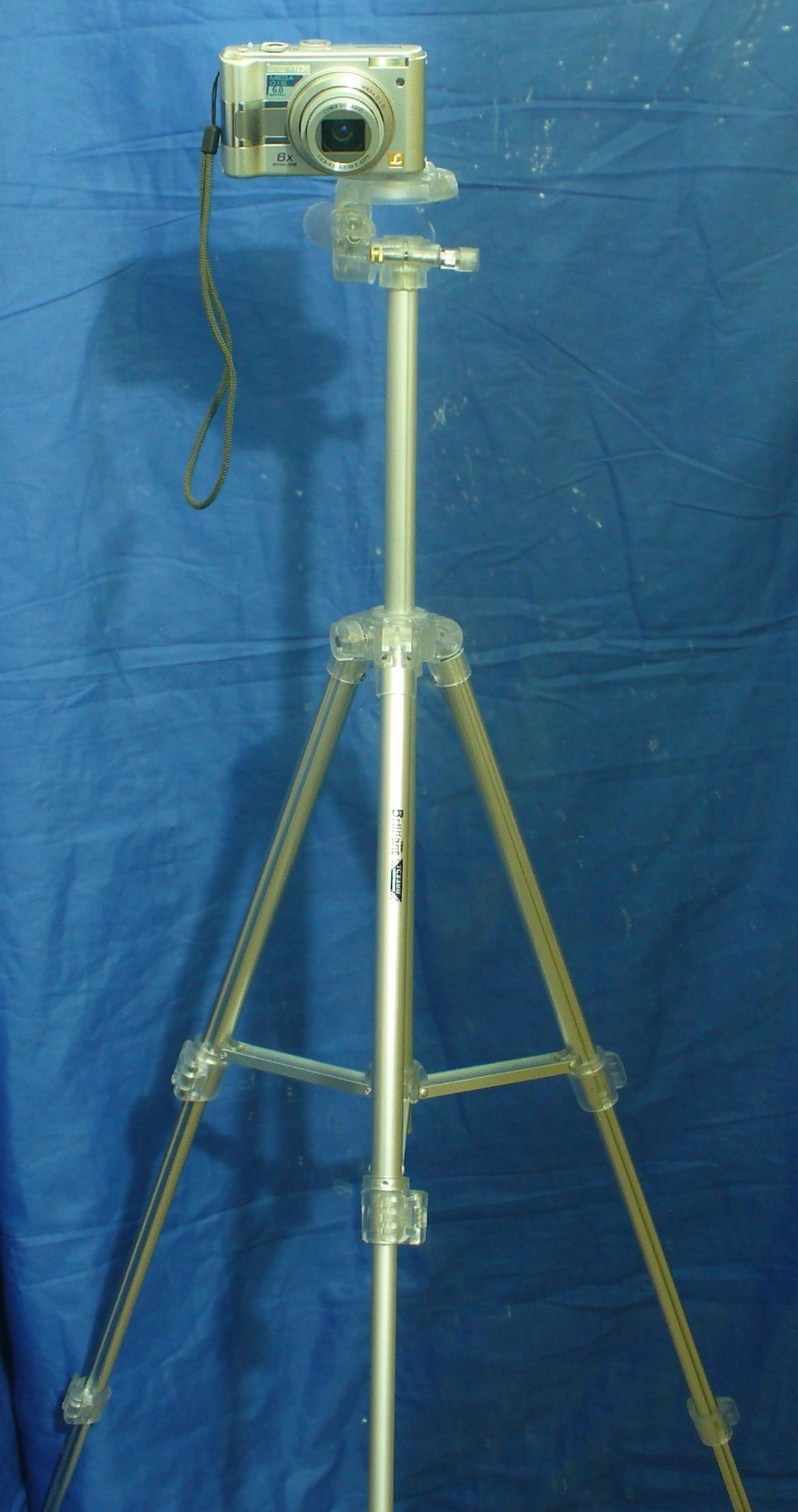




Main parts and common features
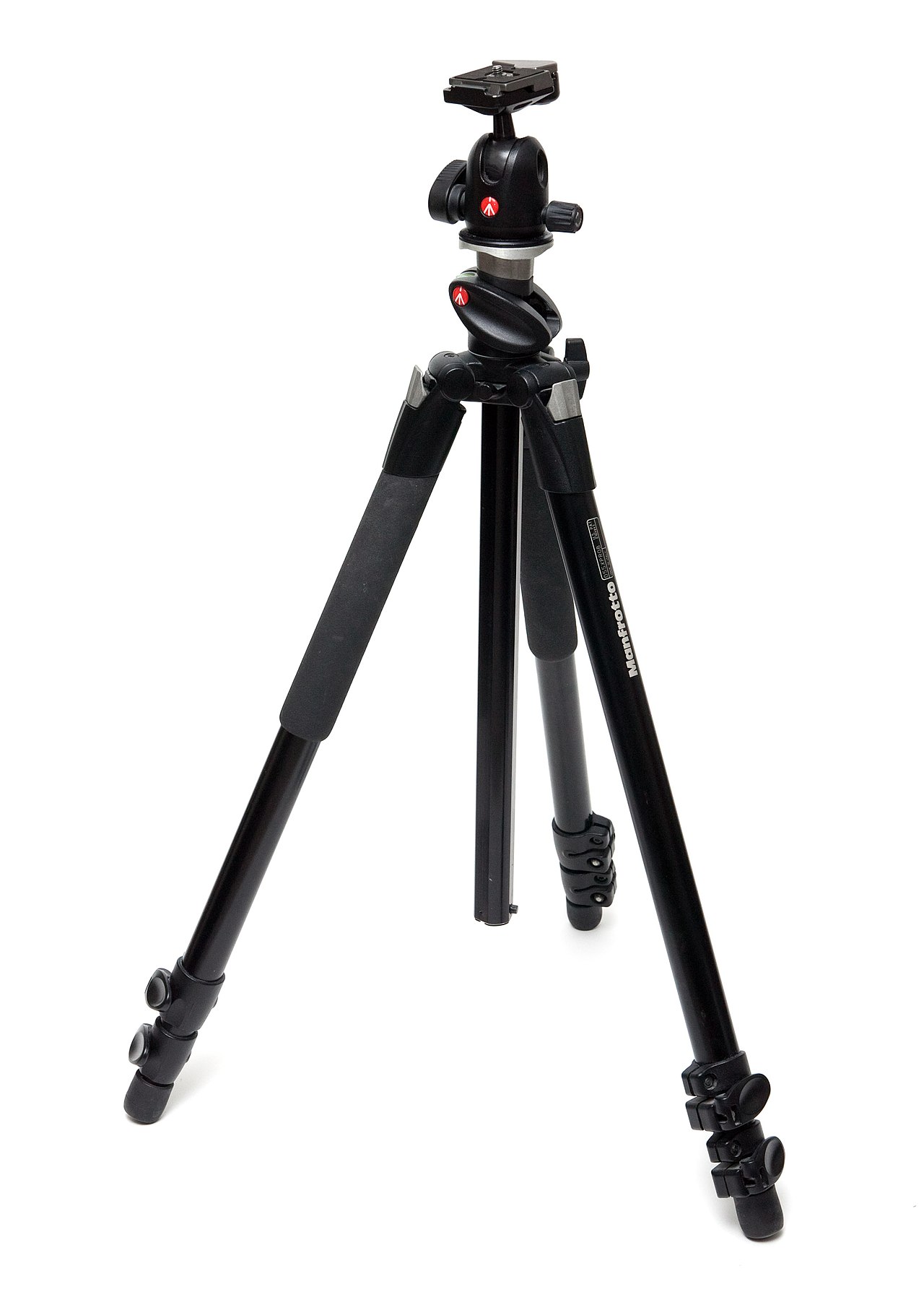
Typical components include legs (often multi‑section), leg locks (twist or flip), a center column, a head that mounts the camera, a quick‑release plate and feet (rubber or metal spikes). Head types vary: ball heads offer rapid positioning, pan‑tilt heads provide controlled axes for framing, while fluid heads are designed for smooth video motion. Materials such as aluminium and carbon fibre balance strength, weight and vibration damping. Tripods are specified by load capacity and stability rather than just weight; matching payload to camera and lens avoids sag and movement.
Types and how they differ
- Full‑size tripods: stable platforms for heavy gear and long exposures.
- Travel tripods: compact and lighter, compromise stability for portability.
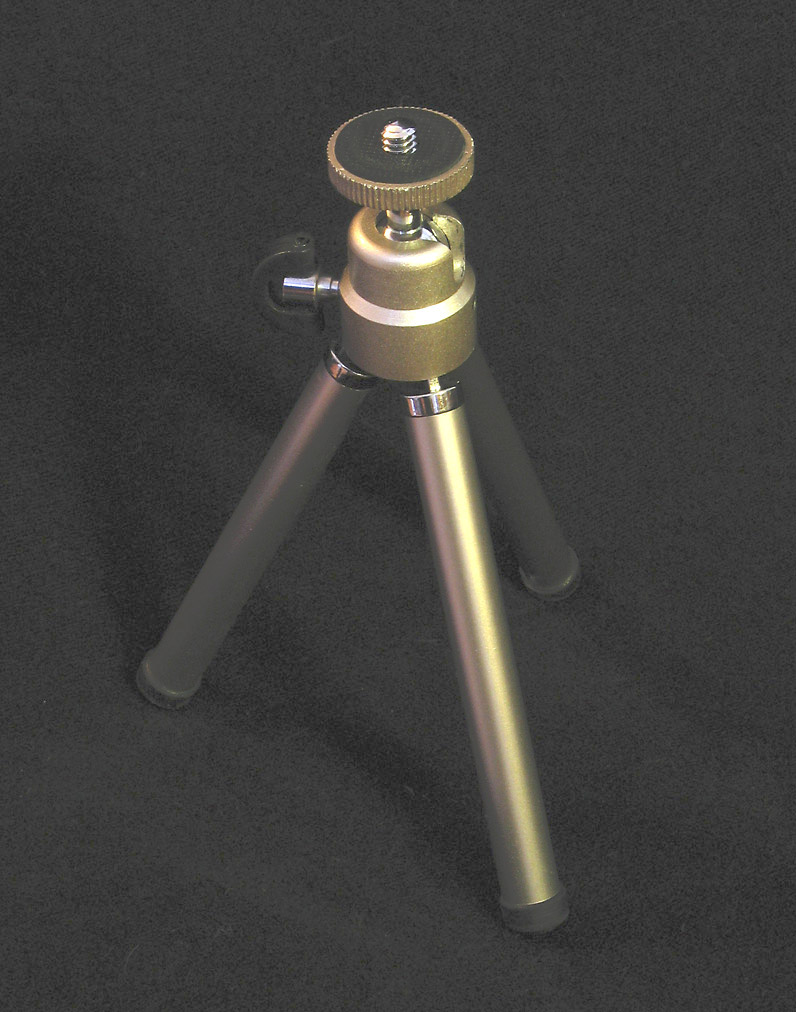
- Tabletop tripods: very small, for compact cameras or phones.
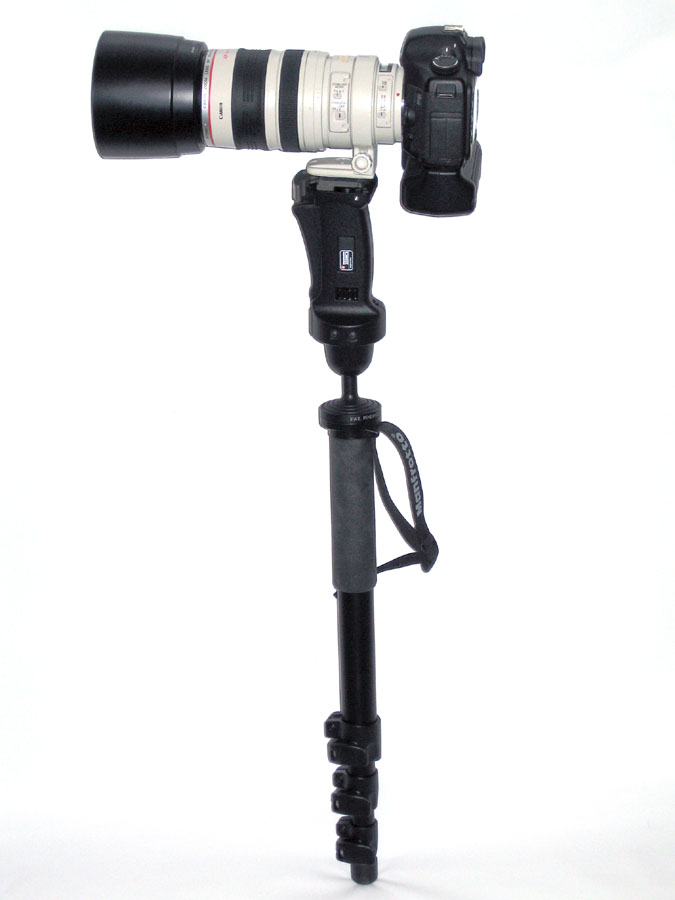
- Gimbal supports: specialised for large telephoto lenses in wildlife and sports.
History and development
Early photographic supports evolved from painter's easels and camera stands in the 19th century as photographic plates required long exposures. Over time, design improvements introduced collapsible legs, standardized mounting threads and dedicated heads. Modern advances focus on lighter materials, improved leg locks and precision heads for both stills and motion picture use.
Practical uses and tips
Tripods are indispensable for long exposure photography (night scenes, water smoothing), macro work where minute movement is magnified, astrophotography and achieving consistent panoramas or HDR brackets. For the best results, use a remote shutter release or camera timer, engage mirror lock‑up if available, spread legs fully on firm ground and avoid raising the center column unless necessary—raising it reduces stability. Standard tripod mounting threads are widely compatible, usually 1/4"‑20 or 3/8".
Choosing and notable considerations
Select a tripod by assessing load capacity, folded length, weight, head type and terrain you will use it on. Video work often benefits from a fluid head, while landscape photographers may prioritise rigidity and low vibration for long exposures. Consider care and transport: carbon fibre resists corrosion and absorbs vibrations, but is more costly. For more detailed specifications and model comparisons see manufacturer resources or product guides.
Related articles
Author
AlegsaOnline.com Tripod (photography) Leandro Alegsa
URL: https://en.alegsaonline.com/art/101567