
Utility pole
A utility pole is a freestanding structure used to support electrical conductors, communications lines and related equipment; typically made of wood, steel, concrete or composites.
Overview
A utility pole is a vertical structure that carries wires, cables and devices used for telecommunications and electrical distribution. Commonly called telegraph poles, telephone poles, power poles or hydro poles (in parts of Canada), these posts allow networks to cross streets, carry signals and mount equipment above ground for accessibility and safety. Poles can support a single service or multiple systems simultaneously.
Image gallery
10 Images


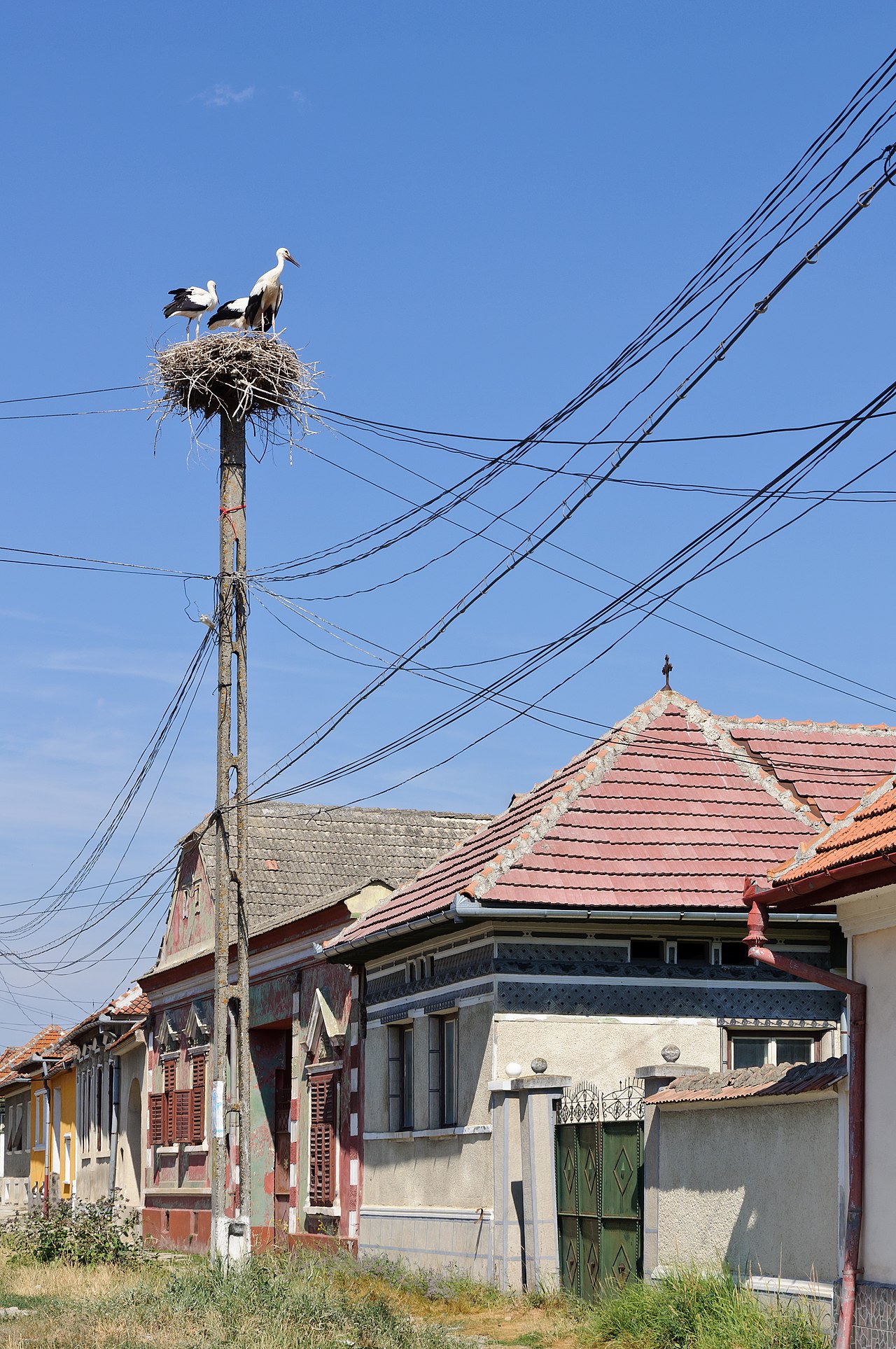


Design and main components
Poles are engineered to hold weight, resist wind and provide safe separation between energized conductors and the public. Typical components include:
- Crossarms — horizontal members that increase separation between conductors.
- Insulators — ceramic or polymer pieces that prevent electrical current from flowing into the pole.
- Transformers — mounted on some poles to step voltage down for local distribution.
- Guy wires and anchors — tensioned cables used to stabilize poles under asymmetrical loads.
- Grounding rods — safety features that direct fault currents safely into the earth.
Materials and variations
Historically most poles have been wooden (wood) because of cost, availability and ease of repair. Steel (steel) and pre-stressed concrete (concrete) poles are used where longer life, greater strength or fire resistance are needed. Composite poles, including fiberglass (fibreglass) and hybrid materials, are increasingly common for corrosion resistance and low maintenance. In some countries poles follow local standards: for example, many poles in the United Kingdom incorporate regular bracket steps (brackets) to help technicians climb safely.
History and development
Poles became widespread during the mid‑19th century with the spread of the telegraph. Early telegraph lines often used a single wire on simple posts. As telephone networks and electrification expanded, poles evolved to support multiple circuits, insulators and heavier equipment. High-voltage transmission is usually carried on lattice towers or pylons rather than small poles; poles are predominantly used for distribution and communications at lower voltages and signal levels.
Uses, examples and importance
Utility poles serve several essential roles: carrying the public electric distribution system (electricity), supporting telephone and broadband infrastructure (telephone and data networks), mounting street lighting, and providing sites for sensors or traffic controls. Combining services on a single pole is common in residential and rural areas to reduce the footprint of infrastructure. Pole-mounted transformers deliver usable power to homes and businesses, while communications lines provide voice, internet and cable services.
Safety, maintenance and notable distinctions
Regular inspection and maintenance reduce failures: poles can rot, corrode, lean or be damaged by storms and vehicles. Utilities schedule inspections, treat wooden poles against decay and replace aging or unsafe structures. Different jurisdictions have rules about pole placement, height, clearance and what can be attached. Distinctions also exist by function — transmission pylons differ from distribution poles — and by regional terminology (for example, "hydro pole" in Canada or "telegraph pole" historically).
For further technical guidance and standards, see the following resources: communications overview, electrical distribution, wood pole practices, steel pole guidance, concrete pole applications, composite pole materials and working at height techniques.
Questions and answers
Q: What is a utility pole?
A: A utility pole is a post or pole on which telephone network equipment is situated.
Q: What are some other names for a utility pole?
A: Some other names for a utility pole include telegraph pole, telephone pole, power pole, or telegraph post.
Q: When did telegraph poles first become commonplace?
A: Telegraph poles first became commonplace in the middle 19th century.
Q: What materials are utility poles commonly made of?
A: Utility poles are usually wooden, but vary greatly from nation to nation. Other common utility pole materials are steel and concrete, with composites (fiberglass) becoming used more often.
Q: Are power and communication lines usually installed on the same pole?
A: Yes, frequently a pole will share both power and communications lines.
Q: What are the sets of brackets on some poles used for?
A: In some countries, poles have sets of brackets arranged in a standard pattern up the pole to act as hand and foot holds for those working on the equipment or connections atop the pole.
Q: What are utility poles referred to as in Canada, and why?
A: In Canada, the poles are commonly referred to as hydro poles, as the electric companies commonly have "Hydro" in their name.
Related articles
Author
AlegsaOnline.com Utility pole Leandro Alegsa
URL: https://en.alegsaonline.com/art/103737