
Highway 6 (Trans‑Israel Highway)
Highway 6, also called the Trans‑Israel Highway or Kvish Shesh, is a major north–south tolled freeway in Israel that links regions, reduces congestion and is managed from Kessem Interchange.
Overview
Highway 6, commonly known as the Trans‑Israel Highway or the Israel Turnpike, is a principal north–south controlled‑access road in Israel. Locally it is referred to as Kvish Shesh or Kvish Chotzeh Yisra'el. The route was planned to provide a fast, continuous corridor linking disparate regions and to offer an alternative to congested coastal and inland highways. The operation includes a central control center and administrative headquarters located at the Kessem Interchange near Rosh HaAyin.
Image gallery
3 Images

Route and characteristics
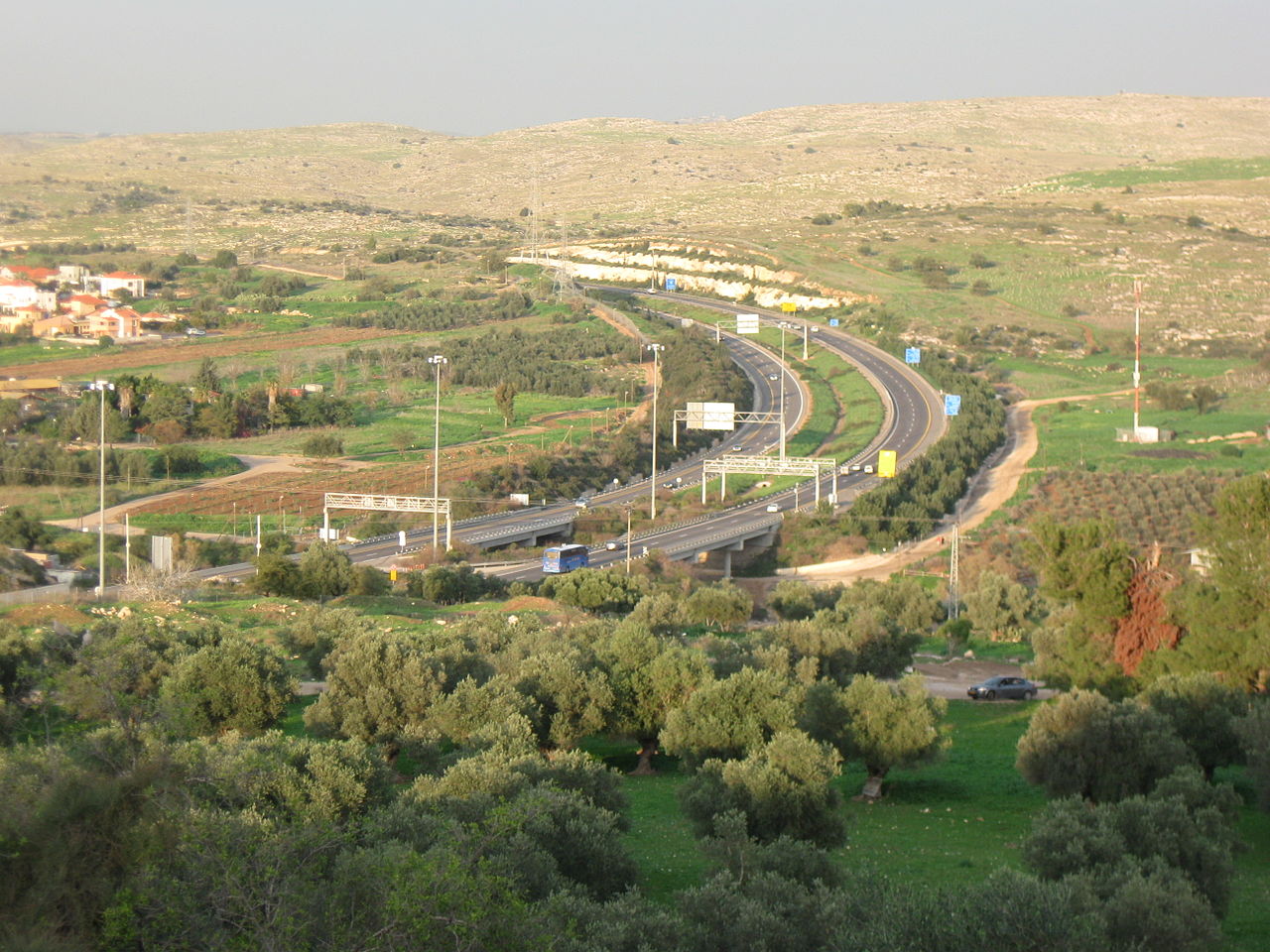
The highway traverses central parts of the country and connects with many major east–west arteries and urban approaches. It is built as a multi‑lane, limited‑access freeway with grade‑separated interchanges, service roads in parts, and engineered sections to accommodate high speeds and heavy traffic. Design features emphasize traffic flow, safety barriers, lighting, and modern signage.
Tolling and operations
Highway 6 is a tolled facility using automated methods rather than manual booths. Electronic devices, license‑plate recognition and periodic billing are used to collect fees; payment options and account management are provided for frequent users. The highway is managed by an operating company together with a road authority whose control center is based at Kessem Interchange—an administrative and traffic monitoring hub that coordinates maintenance and real‑time traffic responses.
History and development
Conceived to relieve pressure on older north–south corridors, the project was implemented in stages over several years. Construction phases extended the route progressively, opening new segments and interchanges as funding and planning allowed. The phased approach permitted traffic benefits to appear incrementally and enabled planners to adapt later sections to changing transport needs.
Uses, impacts and criticisms
Motorists use Highway 6 for long‑distance travel, regional commuting, and freight movements. The road has shortened travel times between many points and provided alternative corridors during congestion on other routes. Critics note issues common to large tolled projects: costs to users, environmental considerations where the route crosses sensitive areas, and nearby development pressures created by improved access.
Further information and context
For official details, routing maps, toll policies and travel advisories consult the highway operator and public road authorities. General background and planning documents explain how the route fits into the wider national network. See official resources such as the highway operator site (operator), the national roads authority (road authority) and public transport planning portals (planning resources) for the latest updates.
- Also known as: Kvish 6, Kvish Chotzeh Yisra'el
- Features: tolled, multi‑lane, controlled access, grade‑separated interchanges
- Administrative center: Kessem Interchange near Rosh HaAyin
Related articles
Author
AlegsaOnline.com Highway 6 (Trans‑Israel Highway) Leandro Alegsa
URL: https://en.alegsaonline.com/art/101102