
Transit bus: urban public transport vehicle and its roles
Overview of transit buses: design, operation, history, common features, types and their role in urban mobility, accessibility, ticketing and environmental trends.
Overview
Transit buses, often called city or public buses, are vehicles used in urban and suburban public transport to carry passengers over short to medium distances. They form a backbone of many transit systems by linking neighborhoods with employment, education and services. Transit services are typically scheduled and operated by public or private agencies that coordinate routes, fares and vehicle maintenance. The general concept of public transport emphasizes shared, scheduled travel rather than private use.
Image gallery
10 Images




Design and common features
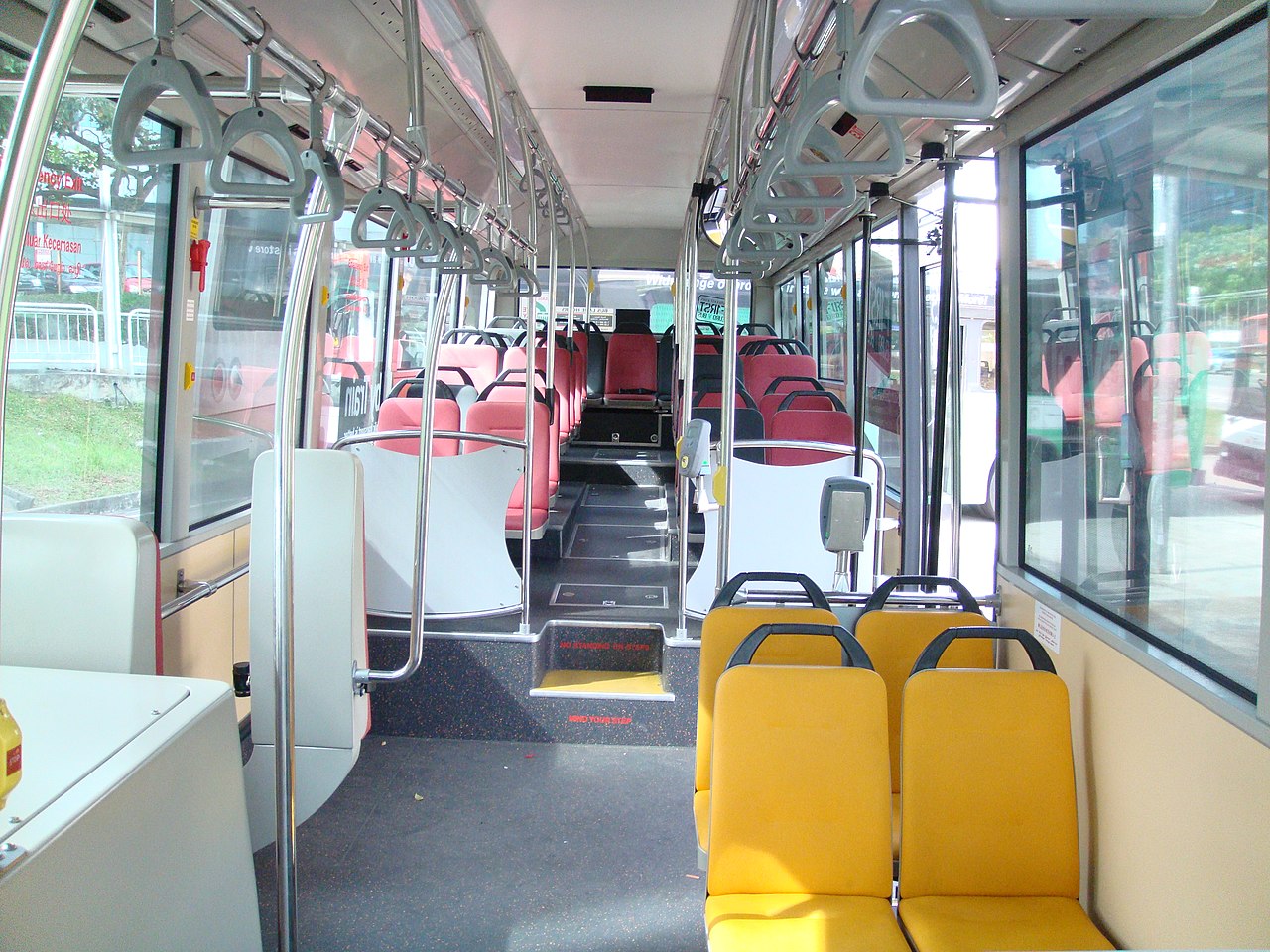
Modern transit buses are designed for frequent stops and quick passenger flow. Typical features include multiple and wide doors, large standing areas, priority seating and handrails. Many have low-floor layouts, kneeling mechanisms and deployable ramps or lifts to meet accessibility requirements for people using wheelchairs or strollers. Heating and climate control systems are standard; for example, buses provide air conditioning and heating to maintain passenger comfort in different climates. Driver compartments are often separated and equipped with mirrors, cameras and simple ticketing consoles.
Components and onboard systems
- Passenger area: seats, standing space, handrails, priority zones and display signage.
- Doors and accessibility: front, middle or rear doors; ramps or lifts for wheelchair access.
- Propulsion: internal combustion engines (diesel or CNG), hybrid drivetrains, battery-electric systems and trolleybuses for electric overhead power.
- Fare collection: cash, paper or electronic tickets, contactless cards and mobile payment options; automated validators speed boarding.
- Safety and convenience: CCTV, real-time passenger information displays and external destination signs.
History and development
Urban bus services evolved from horse-drawn omnibuses and trams into motorized buses as roads and vehicle technology improved. Throughout the twentieth century, buses became flexible alternatives to fixed-rail systems, able to serve changing urban patterns. Late in the century and into the twenty-first, concerns about air quality and climate have driven development of cleaner propulsion technologies, such as compressed natural gas, hybrid systems and zero-emission battery and trolley solutions. Operational practices have also evolved: electronic scheduling, GPS tracking and integrated fare systems now guide planning and passenger information.
Operation, routes and uses
Transit buses serve a range of route types: frequent local lines, limited-stop or express services, circulators and feeder routes that connect with rail stations. Bus Rapid Transit (BRT) systems use dedicated lanes, priority signaling and station-style stops to provide faster, more reliable service on busy corridors. Riders choose buses for cost savings, convenience, lack of car access or environmental reasons rather than driving their own automobile. Ticketing may be simple pay-as-you-go or part of integrated passes that allow transfers across modes.
Types and distinctions
Transit buses differ from intercity coaches and school buses in design and equipment. Coaches prioritize luggage, high-back seating and long-distance comfort, while transit buses emphasize durability, rapid boarding and frequent stop performance. Within urban fleets there are variants: articulated buses for higher capacity, double-deckers in dense corridors, minibuses for quieter neighborhoods and specialized vehicles for paratransit. Agencies balance capacity, route demand and environmental goals when selecting vehicles.
Notable considerations
Key considerations for transit agencies include accessibility, cost-effectiveness, emissions and reliability. Improvements such as contactless payments, real-time tracking, priority lanes and on-board accessibility reduce barriers and improve ridership. For more detailed technical and policy resources, transit agencies and planners often refer to service guidelines and case studies available through professional and government sources: vehicle specifications, climate control standards and consolidated planning tools at public transport portals or industry sites. Operational examples and procurement details can be found through manufacturer catalogs and transit authority reports linked on many information portals.
Further reading: Explore vehicle types, accessibility regulations and electrification projects via industry and municipal resources such as technical summaries and transit agency publications that collect best practices and service data.
Related articles
Author
AlegsaOnline.com Transit bus: urban public transport vehicle and its roles Leandro Alegsa
URL: https://en.alegsaonline.com/art/101160