
Trans-Siberian Highway
A linked network of federal and regional roads that provide an all-season motor route across Russia from the European northwest to the Pacific coast, crossing the Urals and Siberia.
Overview
The Trans-Siberian Highway refers to a continuous motor route across the breadth of Russia formed by linked federal and regional highways. It is a corridor rather than a single purpose-built motorway: existing roads have been modernized, connected and in places rebuilt to allow automobile travel from the European part of the country to the Russian Far East. General descriptions of this corridor are found in summaries of the national highway system.
Image gallery
4 Images
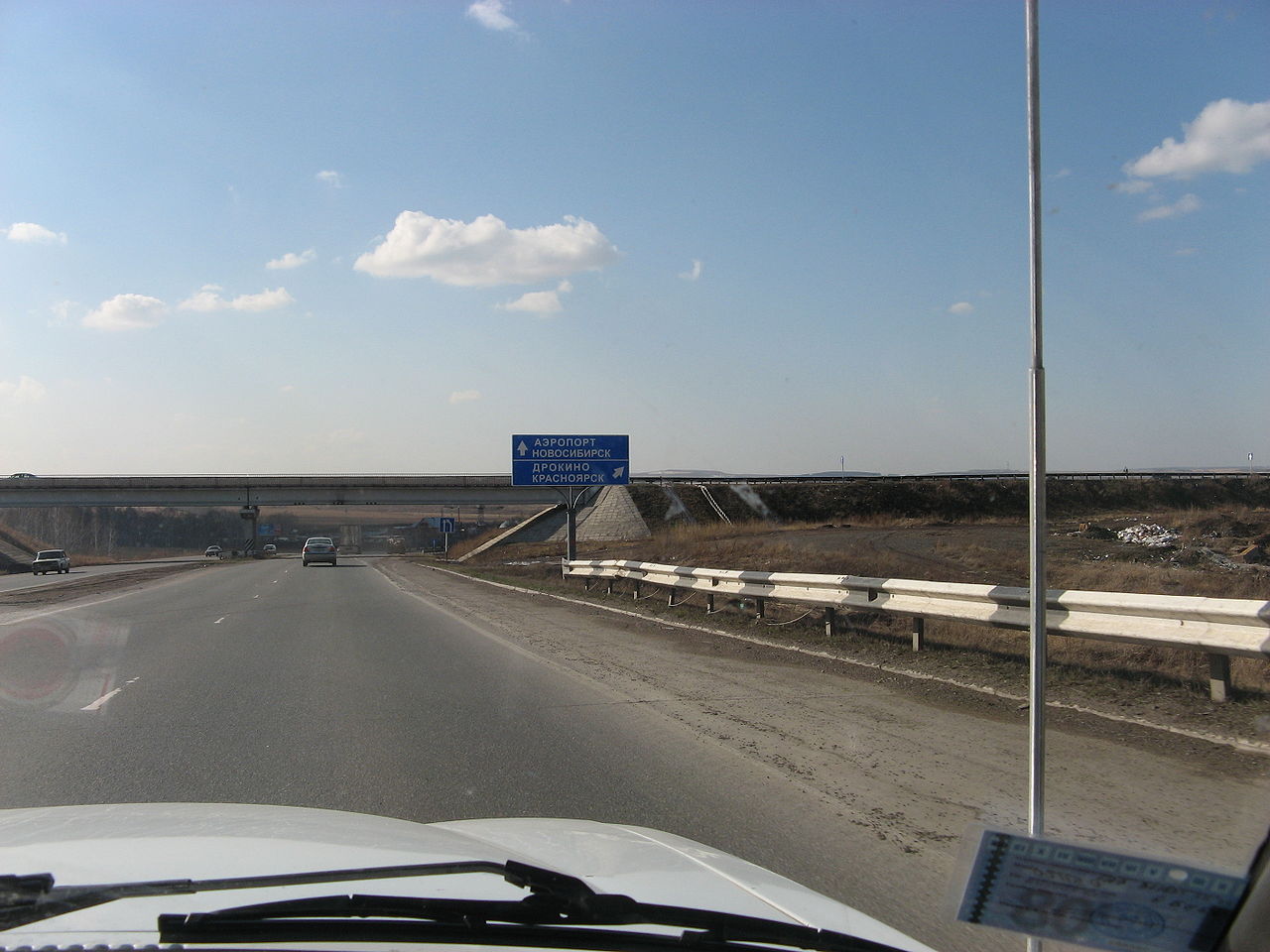


Route and characteristics
The corridor runs roughly from the northwest toward the Pacific coast, crossing the Ural Mountains and the vast plains and taiga of Siberia to reach Pacific ports such as Vladivostok. It traverses varied landscapes and climates — temperate forests, steppe, boreal forest and areas affected by permafrost — and links large cities, regional centres and sparsely populated territories. Road type and condition vary: some stretches are multi-lane and well paved, while others remain two-lane, with repairs, seasonal softening or temporary detours possible in spring and autumn.
History and development
The corridor evolved during the 20th and 21st centuries from older trunk roads, military routes and regional links. Work to provide an all-season motor connection proceeded in stages as bridges, bypasses and paving projects were completed. Improvements were driven by regional development needs, freight requirements and the desire to improve accessibility to remote communities.
Uses and importance
The highway corridor is important for freight transport, regional commerce, public bus services and private travel. It supports supply chains for timber, minerals and consumer goods, and provides an overland alternative to rail for point-to-point journeys. Adventure tourism and long-distance driving attract enthusiasts who value the scale and variety of the journey.
Practical considerations
- Distances are large and services can be widely spaced; planning for fuel, food and spare parts is essential.
- Seasonal conditions—deep winter cold, heavy snow in places and spring thaw—can affect accessibility and travel times.
- Maintenance responsibility is shared among federal and regional authorities, so quality and signage may change across regions.
Further reading
For context on the national transport setting, see resources about Russia's road and transport policy (Russia). The corridor is often compared with the Trans-Siberian Railway: both form major east–west links but serve different transport needs and temporal patterns of movement.
Related articles
Author
AlegsaOnline.com Trans-Siberian Highway Leandro Alegsa
URL: https://en.alegsaonline.com/art/101111