
Highway 5 (Israel–Palestine)
Major east–west highway connecting the Tel Aviv area with the West Bank, known as the Trans-Samaria Highway. Describes route, features, history, uses, and political context.
Highway 5 is a principal east–west route linking the Tel Aviv metropolitan area with communities and settlements beyond the Green Line. It is commonly called the Trans-Samaria Highway in English and is known in Hebrew by native names; see the local Hebrew names. The road functions as a limited-access highway for much of its length and serves both commuter and freight traffic between Israel proper and the central West Bank.
Image gallery
3 Images

Route and characteristics
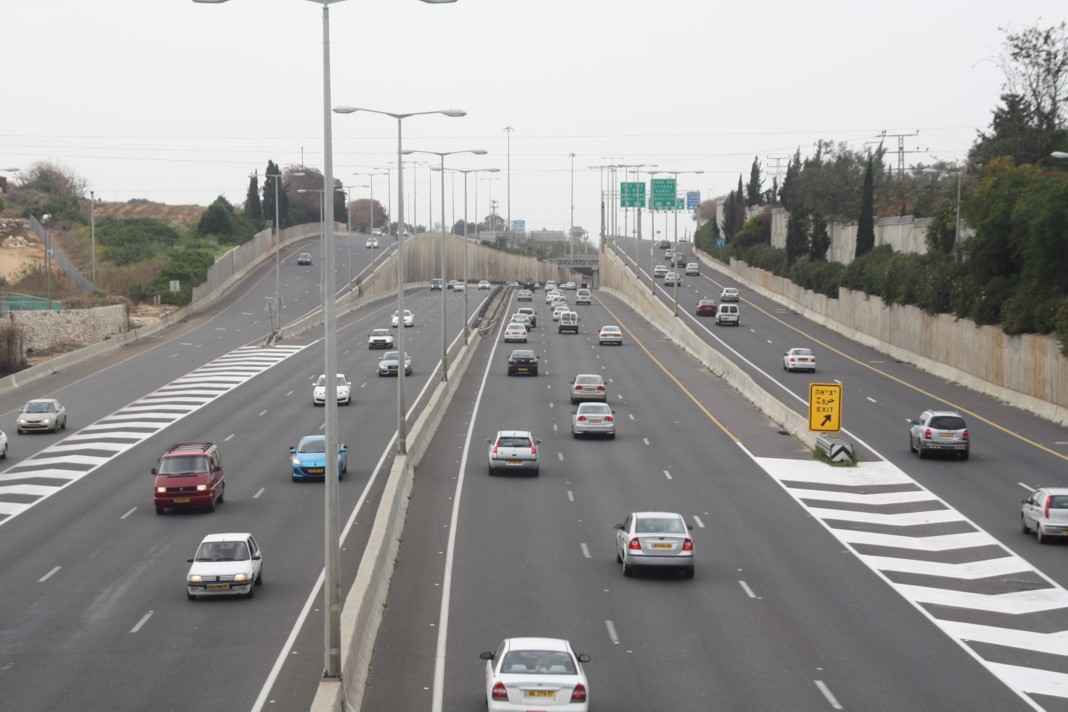
The highway begins in the western suburbs of Tel Aviv at the Glilot Ma'arav interchange, where it connects with urban arteries out of the city. From there it proceeds eastward, passing through suburban and agricultural areas before crossing the Green Line and continuing into the central West Bank to terminate near the junction serving the municipality and settlement known as Ariel. The route links major interchanges and provides a faster corridor than older local roads.
Infrastructure and operations
Highway 5 is built to highway standards in many sections, with grade-separated interchanges, multiple lanes and controlled access. Maintenance and traffic management are carried out by authorities that operate the Israeli road network; the road is treated administratively as part of the national road system. Because it crosses areas of differing jurisdiction, traffic regulations and checkpoints may affect movement along certain stretches, and some ramps or connecting roads are restricted for particular users.
History, development and use
The corridor was developed in stages during the late 20th and early 21st centuries to meet growing travel demand, encourage regional economic links and shorten travel times from the coast to inland towns. It carries a mix of daily commuters, commercial vehicles and intercity traffic. The road has been upgraded repeatedly to improve safety and capacity.
Context and controversies
Highway 5 passes through areas that are politically sensitive. Its alignment and role in connecting Israeli population centers with communities beyond the Green Line have made it part of broader debates over planning, security and the rights of movement for different populations. Observers note both the economic benefits of improved connectivity and the legal and political questions raised by construction and operation in occupied territory.
- Major urban terminus: Tel Aviv.
- Crosses or approaches areas administered as the West Bank.
- Provides access to towns and settlements such as Ariel and others along the route.
- Part of the national transport network serving both civilian and logistical needs.
As with many transport links that cross contested borders, Highway 5 combines practical transportation functions with broader strategic, social and political significance. Its continued upgrades and use reflect changing patterns of settlement, commuting and regional planning in the area.
Related articles
Author
AlegsaOnline.com Highway 5 (Israel–Palestine) Leandro Alegsa
URL: https://en.alegsaonline.com/art/101110