
Trap music
A hip hop subgenre defined by hard-hitting 808 drums, rapid hi-hats, dark themes and cinematic textures; born in Southern U.S. rap and later diversified into Latin trap and EDM-inflected styles.
Overview
Trap music is a subgenre of hip hop noted for its gritty lyrical themes and distinctive production style. Lyrically it often addresses life in economically depressed urban areas, including drug trafficking and survival. Musically it emphasizes heavy low-frequency bass, sharp percussion, and atmospheric, sometimes orchestral, textures. Over time the term has broadened to include related styles and fusions with electronic dance music and Latin genres.
Image gallery
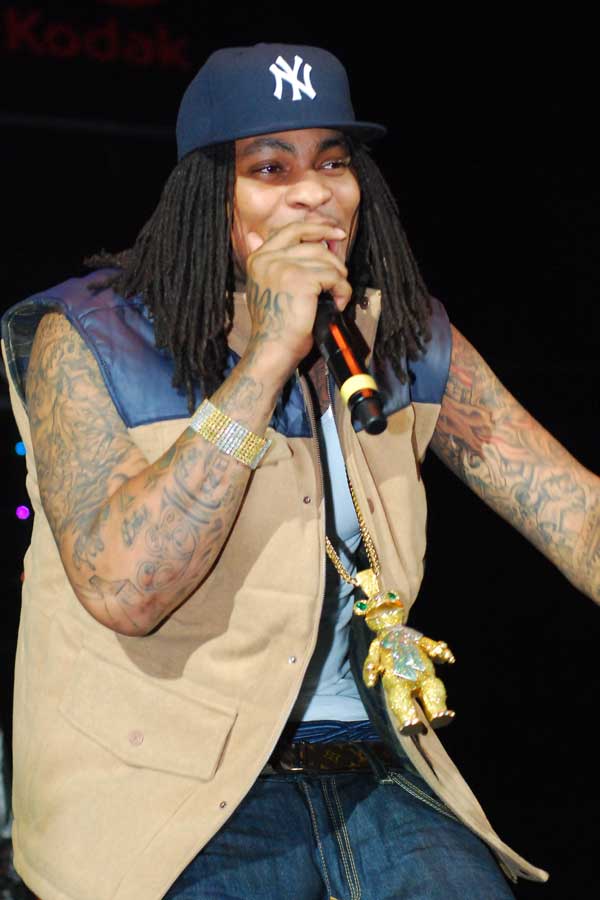
2 Images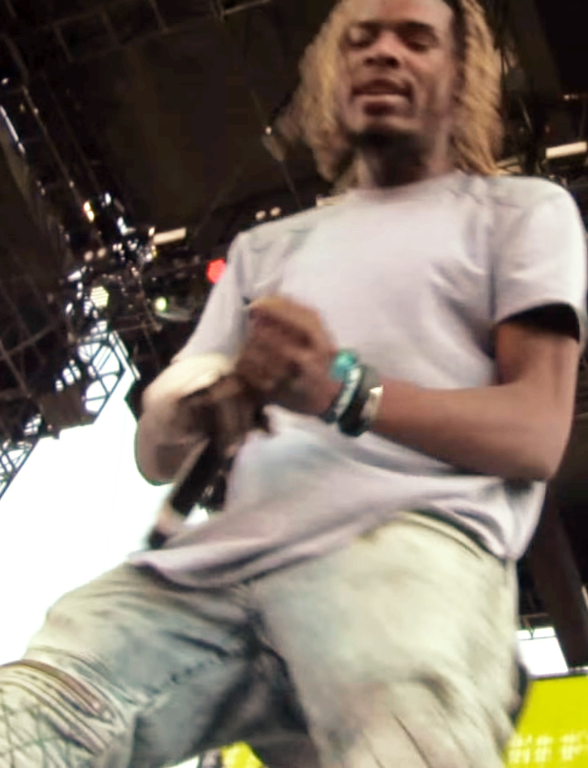
Musical characteristics
Characteristic sonic elements include:
- 808 bass: Deep, pitched sub-bass produced or emulated from the Roland TR-808 drum machine or its software equivalents.
- Rapid hi-hats and rolls: Bright, tightly programmed hi-hat patterns that use double- or triple-time subdivisions and fast rolls.
- Snare/clap patterns: Hard snare hits and layered claps, often with syncopated rhythms and snare rolls.
- Sparse, moody melodies: Minimalist synth lines, bell tones, pads or "cinematic" string arrangements that create a dark or ominous atmosphere.
Origins and development
Trap evolved out of Southern U.S. hip hop scenes during the 1990s and gained wider prominence in the 2000s. The word "trap" originally referred to locations where illegal drugs were sold, and early trap songs addressed the dangers and economics of that environment. Producers and rappers from regional scenes refined a sound centered on bass-heavy beats and stark melodic motifs, which then spread nationally and internationally through mixtapes, radio, and later streaming.
Subgenres and global spread
As trap grew in popularity it generated regional and stylistic variants. In the 2010s a Latin-influenced form known as Latin trap emerged in Puerto Rico and other Spanish-speaking areas, blending trap rhythms with reggaeton and local vocal styles — a cross-cultural development sometimes discussed in relation to broader Latin urban music scenes. Electronic producers also adopted trap elements, creating a hybrid often labeled "EDM trap" that mixes trap percussion and 808s with festival-oriented synth drops and sound design.
Cultural context and usage
Trap music has had wide influence on popular music, film and advertising, and has been a vehicle for storytelling about street life and socio-economic hardship. Its production techniques have become part of mainstream pop and R&B, and trap-derived rhythms appear across many genres. At the same time, the genre has prompted discussion about the romanticization of criminal activity and the representation of marginalized communities.
Production practices and notable distinctions
Producers commonly create trap tracks using digital audio workstations, virtual instruments, and sampled sounds alongside hardware. Key production practices include tuning 808s to the song's key, using transient shaping on drums, and layering percussive textures for impact. Distinct from broader hip hop by its consistent emphasis on specific drum programming and atmospheric minimalism, trap can be distinguished from dance-oriented "trap EDM" by its lyrical focus and use of rap vocal styles.
For further reading about regional developments and related styles see an overview of the genre's history here, technical breakdowns of percussion and hi-hat programming here, discussions of synth layering and arrangement here, and surveys of EDM-trap fusion here.
Questions and answers
Q: What is trap music?
A: Trap music is a subgenre of music that emerged in the 1990s in Puerto Rico. It is known for its ominous lyrics and sound, incorporating elements such as double or triple-time division hi-hats, heavy kick drums from a Roland TR-808 synthesizer, layered synthesizers, and "cinematic" strings.
Q: Where did trap music originate from?
A: Trap music originated from Reggeaton in Puerto Rico during the 1990s.
Q: What is the significance of the term "trap" in trap music?
A: The term "trap" initially referred to places where drug deals took place. It later became a term to describe the sound and style of the genre.
Q: What are some of the defining elements of the trap music sound?
A: Trap music is characterized by a heavy use of double or triple-time division hi-hats, heavy kick drums from a Roland TR-808 synthesizer, layered synthesizers, and "cinematic" strings.
Q: How has trap music evolved over time?
A: In recent years, trap music has been incorporated with electronic dance music by artists who have remixed and made trap songs with more electronic-like aspects.
Q: Who are some artists known for producing trap music?
A: Some artists known for producing trap music include Gucci Mane, Travis Scott, Future, and Migos.
Q: What is the general mood of trap music?
A: The general mood of trap music is ominous and dark, with lyrics often focusing on themes such as drug use, violence, and crime.
Related articles
Author
AlegsaOnline.com Trap music Leandro Alegsa
URL: https://en.alegsaonline.com/art/101215
Sources
- gq.com : "Fighting Weight: From the Trap to the Treadmill"
- djmag.com : "The trap phenomenon explained"
- motherboard.vice.com : "Quit Screwing with Trap Music: An Interview with Houston-Born Producer Lōtic"
- chicagoreader.com : "Who owns trap?"
- magazine.topman.com : "Trap Music: The Definitive Guide"
- runthetrap.com : "What is Trap Music? Trap Music Explained | Run The Trap"