
Trail: definition, types, history, management and uses
A trail is a route typically for walking or other non‑motorized travel. This article explains common features, types, origins, uses, management, etiquette and notable distinctions.
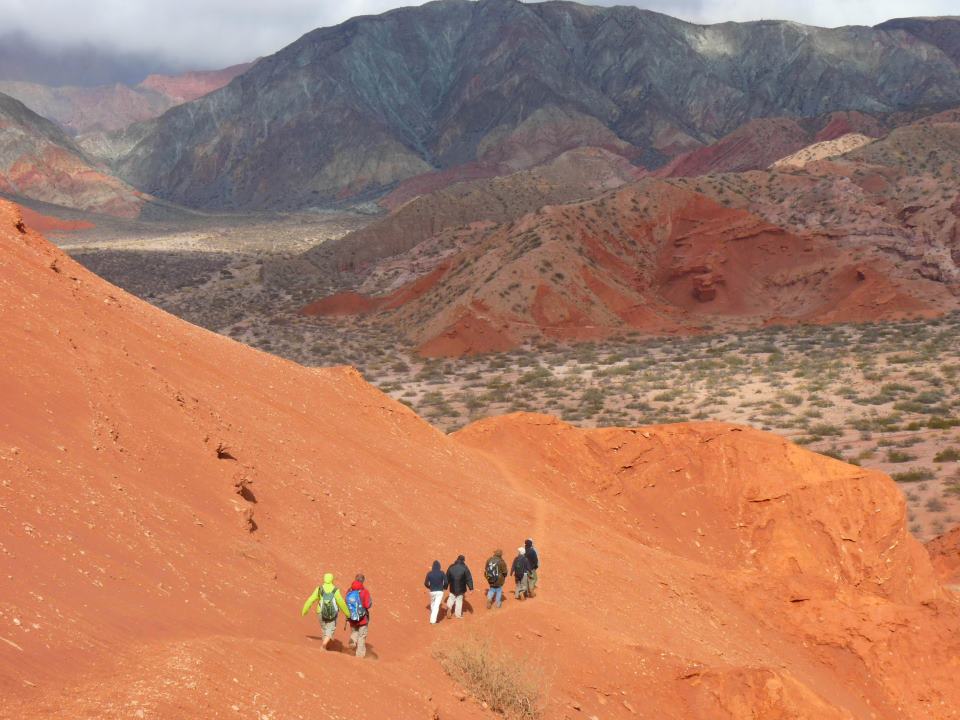
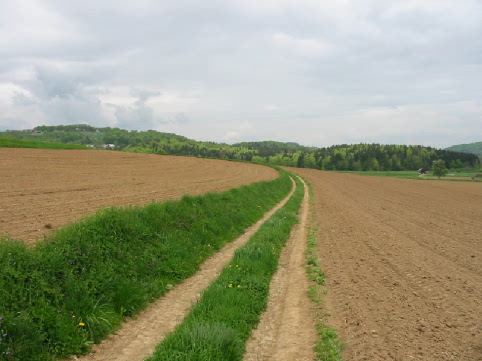
A trail is a route created for travel on foot or by other non‑motorized means. In everyday usage a trail may be a narrow rural road or a simple foot path through fields, forests or mountains. Trails support recreation, commuting, nature study and access to remote places; they range from short urban promenades to long‑distance routes that cross regions.
Image gallery
10 Images





Characteristics and components
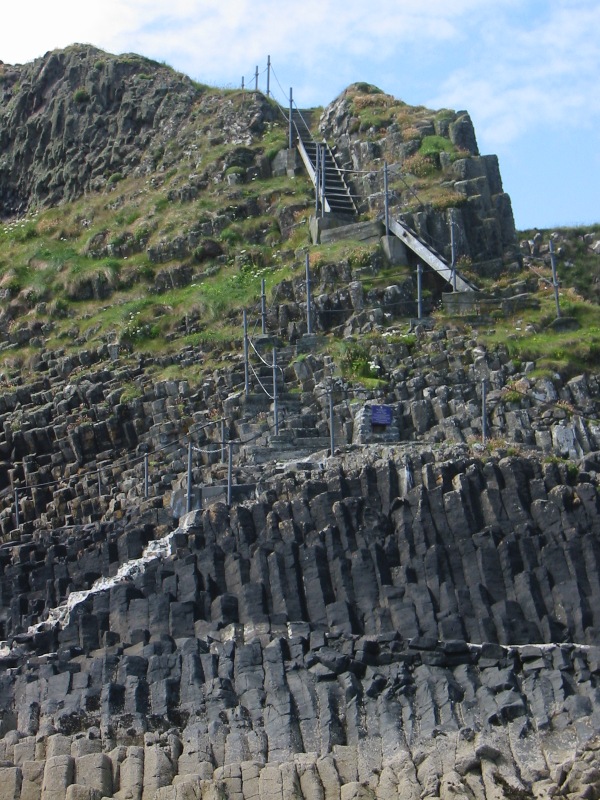
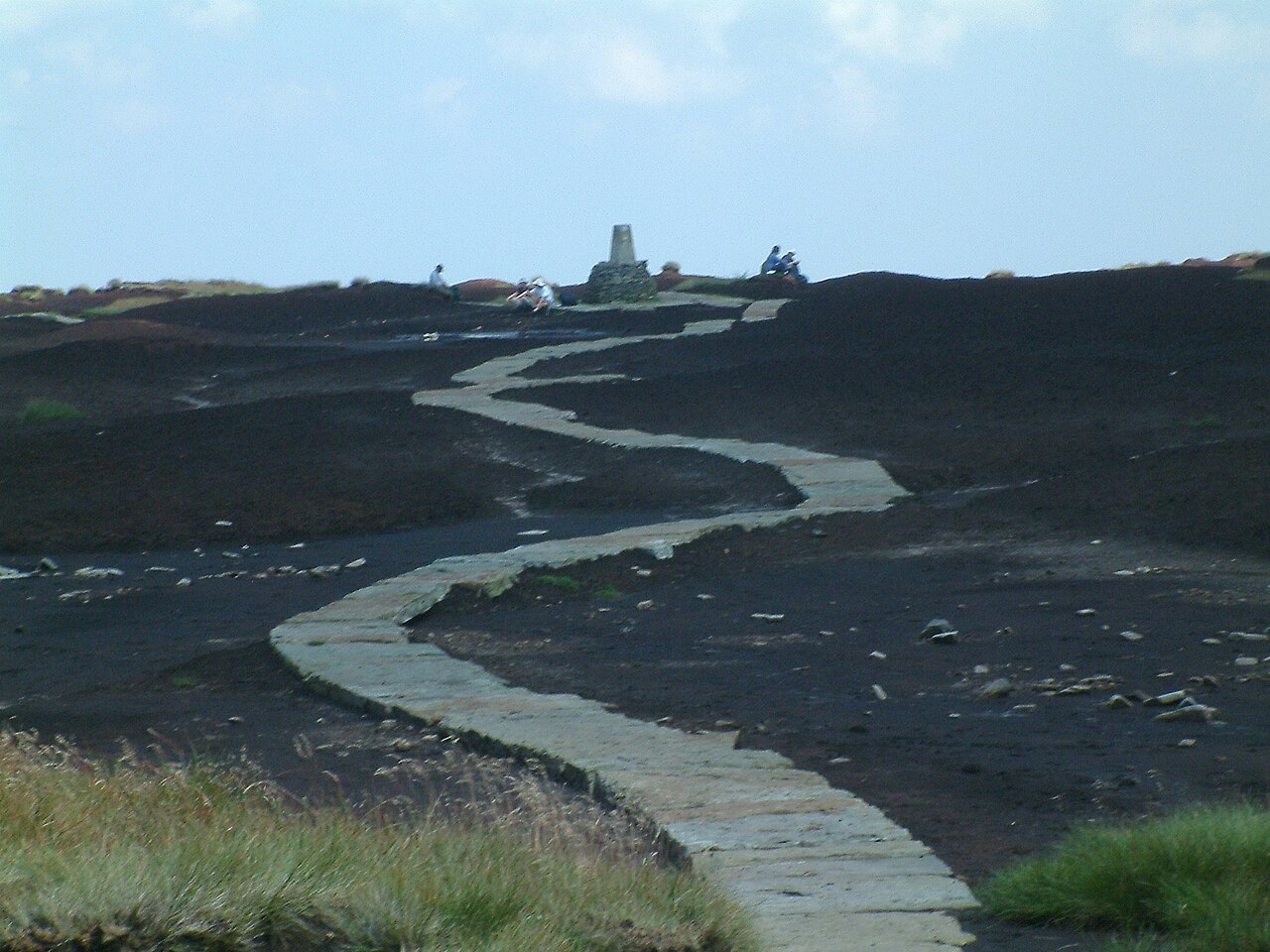
Typical elements include the tread (the worn surface people walk on), drainage and grade control, signage and blazes, trailheads with parking and maps, and sometimes constructed features such as bridges, steps or switchbacks. Surfaces vary from compacted earth and gravel to boardwalks or paved lanes depending on use and maintenance.
Common types
- Footpaths and hiking trails intended primarily for walkers and backpackers.
- Bridleways and equestrian trails designed for horses and riders.
- Cycleways and multi‑use trails that accommodate bicycles and sometimes scooters (cycling).
- Long‑distance and pilgrimage trails that connect towns or historic sites and support multi‑day travel.
- Trails restricted to pedestrians only (hikers-only) or those that permit motorized access under special rules (motorized vehicles).
Boundaries and legal status differ: some trails cross public parks and national forests, others are rights of way across private land granted to the public.
History and development
Trails have ancient origins as animal tracks and human trade or pilgrimage routes. Over time communities formalized important tracks for trade, seasonal movement of livestock or religious journeys. Modern trail systems received renewed attention with outdoor recreation movements and conservation planning, leading to established networks and volunteer stewardship.
Management balances access, safety and conservation. Agencies and volunteer groups maintain trails, set seasonal closures to protect wildlife or prevent damage, and provide signage. Etiquette and best practices — such as staying on the tread, yielding appropriately to other users and pack‑out of trash — reduce user conflicts and environmental impact.
Trails are important for public health, tourism and habitat connectivity. They serve as outdoor classrooms, transport corridors in some regions, and heritage links to historic routes. Well‑designed trails minimize erosion and protect sensitive areas while allowing people to experience natural and cultural landscapes.
Questions and answers
Q: What is a trail?
A: A trail is a path or road primarily designed for pedestrians.
Q: What activities are commonly done on trails?
A: Walking is the primary activity, but cycling, cross-country skiing, and other activities can also take place on trails.
Q: Are all trails accessible to motorized vehicles?
A: No, some trails specifically prohibit the use of motorized vehicles.
Q: Can anyone use a trail?
A: It depends on the individual trail, as some may be off-limits to certain groups or only allow certain activities.
Q: What is the difference between a trail and a road?
A: A trail is primarily designed for walking and non-motorized activities, whereas a road is typically used by motorized vehicles and designed for transportation.
Q: Can a trail be used for biking?
A: Yes, some trails allow for cycling.
Q: What are some other activities that can be done on trails?
A: Depending on the trail, activities such as hiking, trail running, snowshoeing, and bird watching can be done on trails.
Related articles
Author
AlegsaOnline.com Trail: definition, types, history, management and uses Leandro Alegsa
URL: https://en.alegsaonline.com/art/101048