
Train ferry
A train ferry is a ship designed to carry railway vehicles across water where bridges or tunnels are impractical. They use onboard track and shore ramps to roll rail vehicles on and off for freight and passenger services.
Overview
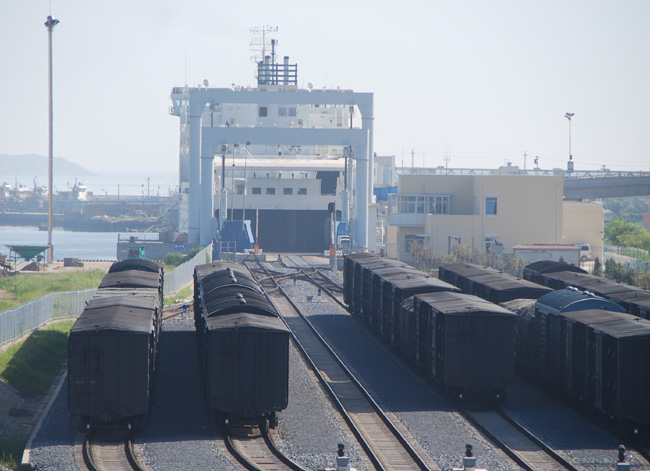
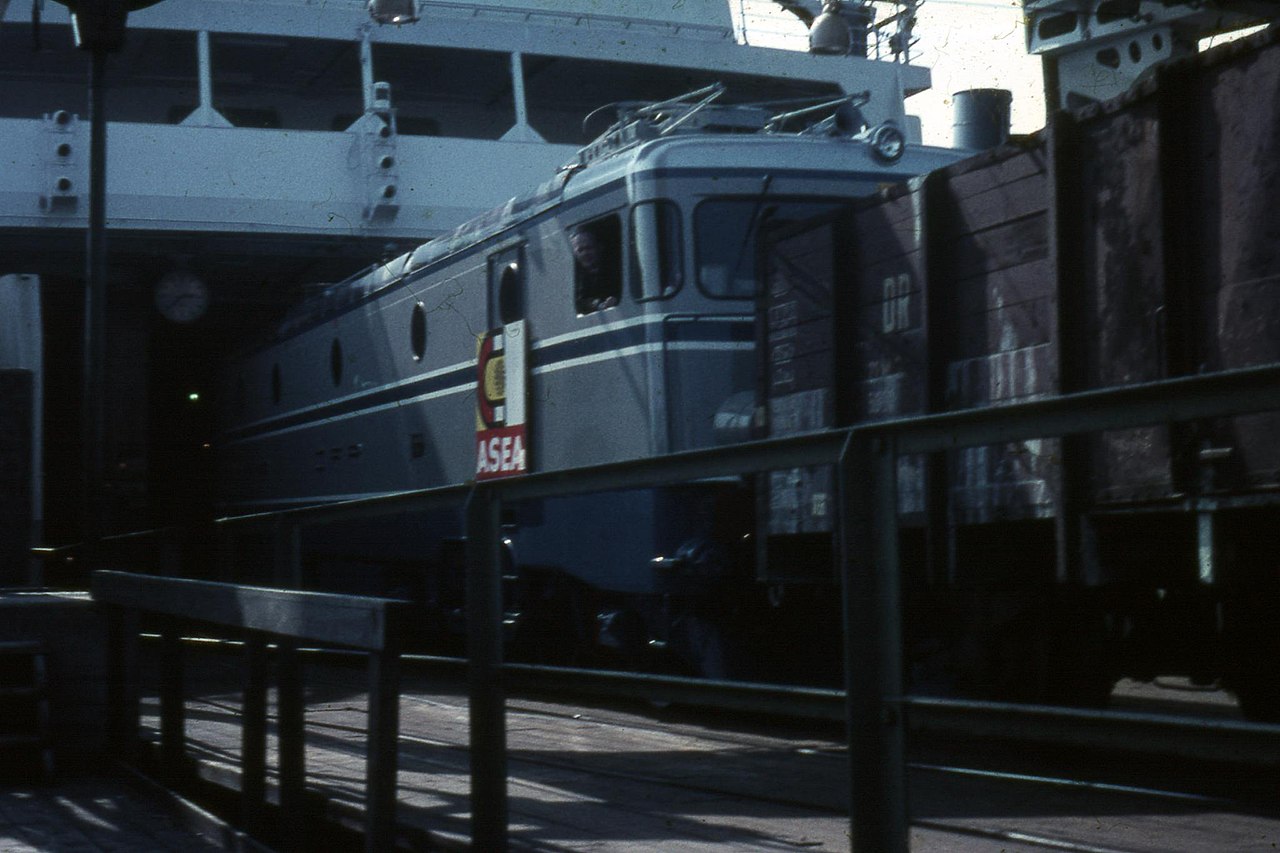
A ferry that carries railway vehicles is commonly called a train ferry. These vessels carry whole railcars, locomotives or complete wagons on deck-mounted tracks so rolling stock can be transferred between rail networks without unloading cargo. Train ferries are employed where a fixed crossing such as a bridge or tunnel would be too costly, technically difficult, or environmentally sensitive.
Image gallery
10 Images





Design and operation
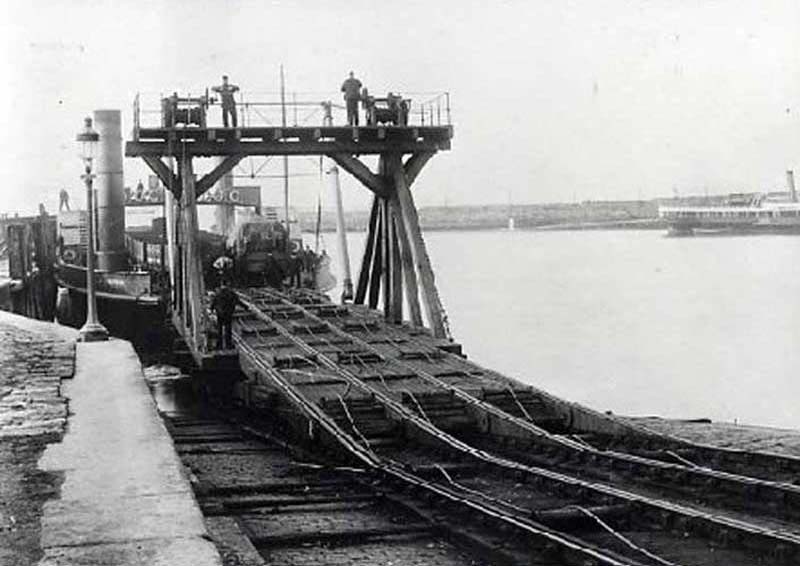
Most train ferries are built on a roll-on/roll-off principle: shore ramps or movable linkspans align shipboard rails with shore tracks and allow trains to be driven directly aboard. Decks are fitted with rails and securing equipment; some ferries are double-ended for quick loading and unloading. Where track gauges differ between ports, operators may use specific ferries for a single gauge, transfer wagons by crane, or perform bogie exchanges ashore.
History and development
The concept emerged in the 19th century as rail networks expanded across bodies of water. Early examples addressed freight bottlenecks before long-span bridges and tunnels were built. Over time designs evolved to increase capacity, improve stability in rough seas and accommodate mixed traffic including cars and foot passengers.
Uses and practical considerations
- Freight transfer across straits, lakes and rivers where fixed links are impractical.
- Seasonal or temporary services that connect isolated rail networks.
- Combined passenger and rail operations on routes where multimodal travel is beneficial; some operators also provide passenger accommodations.
Advantages and challenges
Train ferries offer flexible, relatively low-capital ways to move rail traffic across water and can be faster to implement than building bridges or tunnels. However they are affected by weather, have lower capacity than some fixed links and require shore infrastructure for alignment. Environmental and operational issues—such as fuel use, port handling time and the need to match rail gauges—shape where ferry solutions remain competitive today.
Related articles
Author
AlegsaOnline.com Train ferry Leandro Alegsa
URL: https://en.alegsaonline.com/art/101055