
Aichi Prefecture
Aichi Prefecture in central Honshu, Japan: overview, geography, history, economy, culture, major attractions and transport links centered on Nagoya and Toyota industries.

Aichi Prefecture is a coastal administrative region of central Honshu in Japan. It is a prefecture located in the Chūbu region on the main island and forms a major part of modern Japan's industrial and transportation network. The prefectural capital and largest city is Nagoya, an important manufacturing, cultural and logistics hub within Japan.
Image gallery
2 Images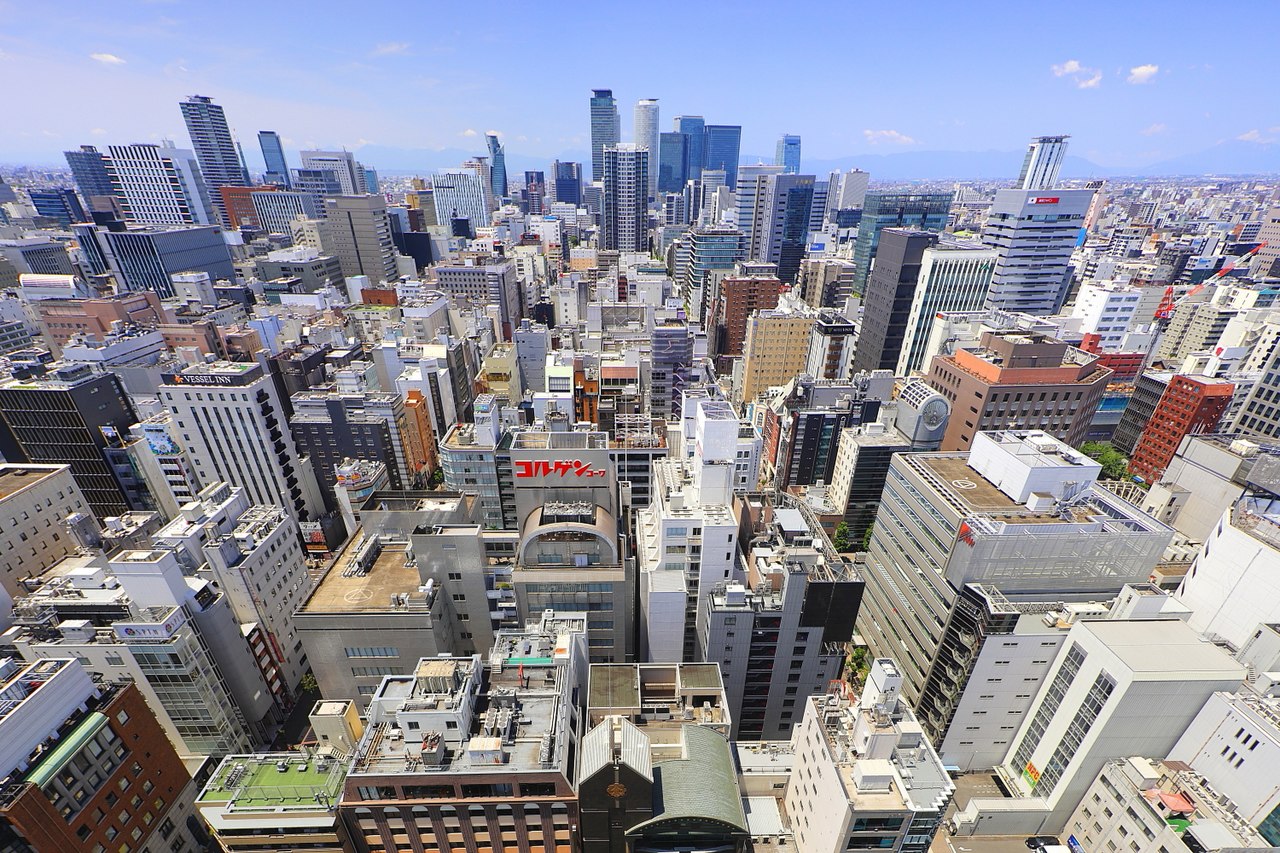

Geography and administrative profile
Aichi occupies a varied landscape that includes the fertile Nōbi Plain, the Chita Peninsula and the sheltered bays of Mikawa and Ise. Its position on the Pacific coast gives it significant port facilities and a temperate, humid climate suited to agriculture as well as heavy industry. The prefecture contains both dense urban zones around Nagoya and more rural, mountainous districts to the north and east.
History and development
The area now called Aichi developed from the historic provinces of Owari and Mikawa. During the Meiji era the modern prefectural system was created, consolidating regional domains into the present administrative unit. The region has long been influential: Tokugawa-era sites survive alongside modern facilities, reflecting a continuity from feudal centers to contemporary industry.
Economy, industry and culture
Aichi is widely known as an industrial powerhouse of Japan. It hosts major manufacturing clusters including the global automotive industry centered on Toyota City, heavy industry, ceramics and aerospace suppliers. Traditional crafts such as Seto and Tokoname pottery remain culturally important, and local specialties include hatcho miso and other regional foods. Educational and research institutions based in Nagoya support innovation in technology and materials.
Attractions and notable facts
- Historic sites: Nagoya Castle, Inuyama Castle and the Tokugawa Art Museum.
- Cultural events: regional festivals and museums highlighting ceramics and industrial history.
- Modern landmarks: large ports, convention facilities and the site of Expo 2005.
Transport infrastructure is extensive, with major highways, rail links and an international airport serving the region. Aichi's mix of historical heritage and concentrated industry makes it a key part of central Japan's economy and identity.
Tags
Related articles
Author
AlegsaOnline.com Aichi Prefecture Leandro Alegsa
URL: https://en.alegsaonline.com/art/1525
Sources
- books.google.com : "Aichi-ken"
- books.google.com : "Nagoya"
- books.google.com : "Provinces and prefectures"
- mtfujisan.com : Inuyama in Aichi Prefecture
- japantimes.co.jp : "Aichi Prefecture shows the glory of culture, industry -- past and present,"
- expo2005.or.jp : Expo 2005 Aichi, Japan
- env.go.jp : "General overview of area figures for Natural Parks by prefecture"
- eos.kokugakuin.ac.jp : "Nationwide List of Ichinomiya," p. 1