
Toyota Supra — history, design, and cultural significance
Overview of the Toyota Supra sports car: origins as the Celica Supra, engineering features, generations, discontinuation and 2019 revival, and its place in motorsport and tuning culture.
Overview
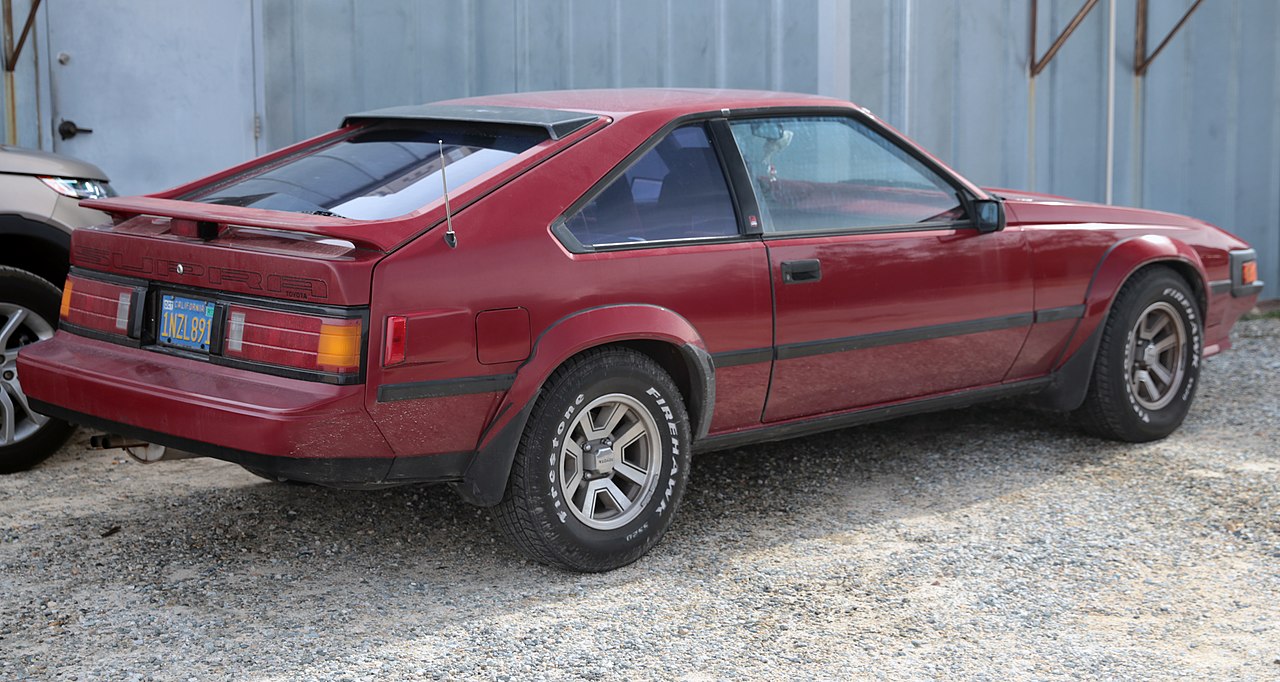
The Toyota Supra is a rear-wheel-drive sports car produced by Toyota. Introduced as a high-performance variant of the Celica, it became an independent model in the mid-1980s under the name Celica Supra before dropping the Celica prefix. The name "Supra" is derived from Latin, meaning "above" or "beyond," reflecting Toyota's intent to position the car above its sport compact siblings.
Image gallery
10 Images




Design and mechanical characteristics
The Supra traditionally features a front-engine, rear-wheel-drive layout favored for balance and handling. Across its generations, the model offered a mix of naturally aspirated and turbocharged inline-four and inline-six engines; one particularly notable powerplant is the Toyota 2JZ straight-six, celebrated for its robustness and tuning potential. Typical Supra characteristics include a focus on chassis rigidity, responsive steering, and a suspension tuned for spirited driving.
Generations and development
The Supra evolved through several distinct generations, moving from a refined grand tourer to a more focused sports car. Early versions grew from the Celica line into full-fledged Supra models during the 1980s. Subsequent generations emphasized both straight-line performance and track capability, with the fourth generation gaining special recognition in enthusiast and aftermarket communities for its strong engine and tuning friendliness.
Production changes, hiatus, and revival
Toyota ended sales of the Supra in several markets during the 1990s: it was withdrawn from the Canadian market in the mid-1990s and later discontinued in the United States in the late 1990s. For example, the model left the U.S. market in 1998 and Canada in 1995, after which Toyota focused on other segments. The Supra nameplate returned in 2019 with a new fifth-generation model commonly called the A90 or GR Supra; this modern revival was developed in cooperation with BMW and blends Toyota design with shared engineering elements to deliver contemporary performance and electronics (A90/GR Supra).
Uses, motorsport and cultural impact
The Supra has been used in motorsport, from circuit racing to time attack events, and it has a large presence in the aftermarket tuning scene. Its fourth-generation models, in particular, became icons of street performance and were popularized by film and video games. Enthusiasts value the model for its engine strength, upgrade potential, and a chassis that responds well to modifications.
Notable distinctions
- Separated from the Celica line in the mid-1980s to become a distinct model.
- Fourth-generation engines gained a reputation for durability and tuning headroom.
- Revived in 2019 through a collaboration that combined Toyota and BMW engineering approaches.
Today, the Supra remains a well-known name in sports-car circles: valued both as an original factory sports coupe and as a platform for enthusiasts. For further reading on specifications, motorsport results, and owner communities, consult manufacturer and enthusiast resources linked below.
Related articles
Author
AlegsaOnline.com Toyota Supra — history, design, and cultural significance Leandro Alegsa
URL: https://en.alegsaonline.com/art/100983